
Comparison Guide
Saltwater Crocodile vs Nile Crocodile
Compare two famous crocodiles by range, habitat, water type, and the reality behind their reputation.
Back to guidesTwo Famous Crocodiles With Different Ranges
The saltwater crocodile and Nile crocodile are two of the best-known crocodiles in the world. Both are large, powerful, and widely respected, but they are linked to different regions and habitat patterns. Saltwater crocodiles are associated with northern Australia, parts of Southeast Asia, Papua New Guinea, and coastal South Asia. Nile crocodiles are associated with African rivers, lakes, wetlands, and floodplains.
The comparison is useful because it shows how similar-looking predators can be shaped by different geography. Both need warmth, water, prey, and nesting places, yet the saltwater crocodile is especially famous for using estuaries, mangroves, and coastal waterways, while the Nile crocodile is strongly connected to inland freshwater systems and large African wetlands.
Side by Side
Two Famous Crocodiles, Two Habitat Stories
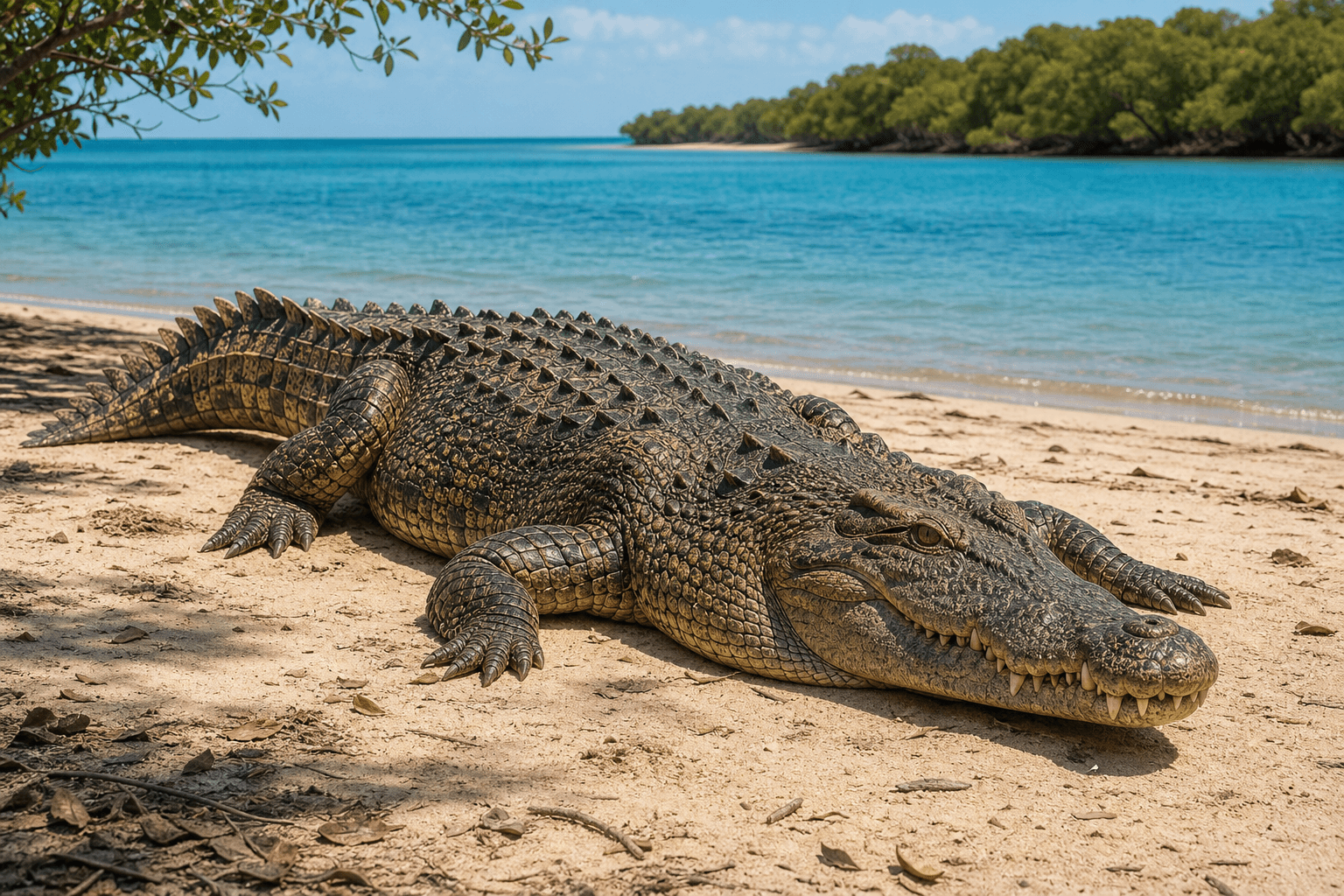
Saltwater Crocodile
- Main range
- Northern Australia, Southeast Asia, eastern India
- Habitat
- Mangroves, estuaries, rivers, coastal wetlands
- Behavior / reputation
- Famous for large size, ambush hunting, and unusual tolerance for brackish or salty water.
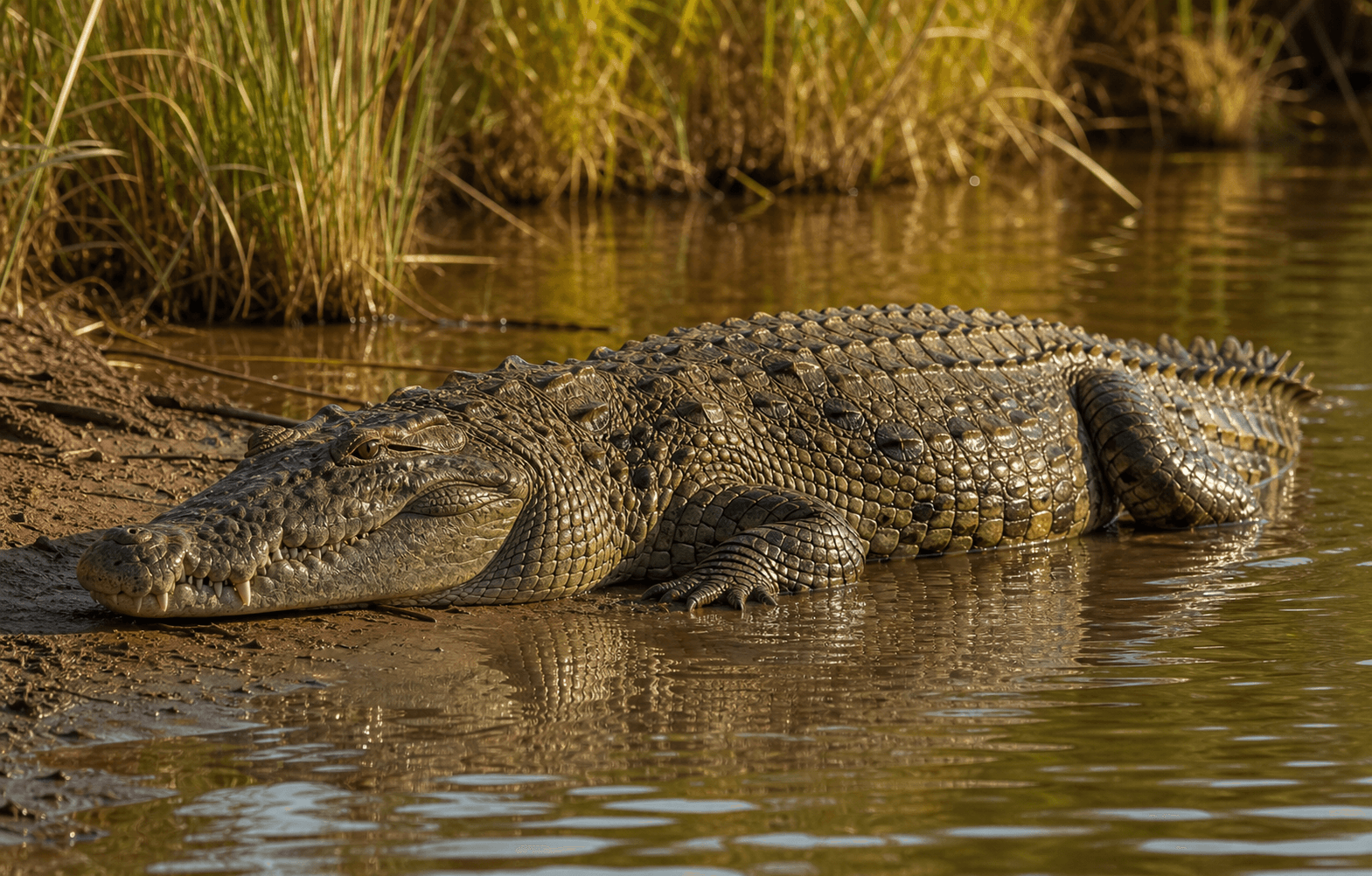
Nile Crocodile
- Main range
- Sub-Saharan Africa, Nile basin, East and Southern Africa
- Habitat
- Rivers, lakes, wetlands, floodplains
- Behavior / reputation
- Strongly linked with African freshwater systems, river edges, basking banks, and seasonal wetlands.
Habitat Comparison
How Each Crocodile Uses Water
Saltwater Crocodile Range and Habitat
Saltwater crocodiles can live in rivers, tidal creeks, mangrove channels, estuaries, lagoons, and coastal areas. Their name does not mean they live only in the open sea. It means they can tolerate salty or brackish water better than many other crocodilians, which allows them to move along coasts and between river systems. This ability helps explain why they have a broad Indo-Pacific presence.
In northern Australia, saltwater crocodiles are part of a landscape of wetlands, floodplains, tidal rivers, and tropical coastlines. In Southeast Asia and nearby regions, mangroves and river mouths can provide similar habitat. Their range can look wide on a map, but suitable habitat is still concentrated around warm water systems with cover, prey, and nesting areas.
Nile Crocodile Range and Habitat
Nile crocodiles are strongly associated with Africa's rivers, lakes, marshes, reservoirs, and floodplains. The Nile River gives the species its familiar name, but Nile crocodiles can be connected with many different African water systems. They may use big lakes, permanent rivers, seasonal waterways, and wetland margins where prey gathers and banks are available for resting.
Nile crocodile habitat can change with seasons. During wetter periods, floodplains may open new feeding and movement opportunities. During drier periods, animals may concentrate around remaining water. This seasonal rhythm is one reason broad range maps are useful for learning but not precise enough for local safety or population conclusions.
Comparison Table
Range, Habitat, Water Type, and Reality
Fear vs Context
Fear Factor: Similar Reputation, Different Context
Both species have strong fear reputations because they are large ambush predators that may live near human activity. People often use rivers and wetlands for fishing, boating, washing, farming, or travel, so overlap can happen. The frightening part is not just size. It is the way crocodiles can remain hidden and move quickly at close range in water or at the edge of water.
However, reputation is not the same as constant danger. Risk depends on local crocodile density, species, animal size, season, human behavior, water visibility, and whether safety systems are in place. A village river, a protected wetland, a tourist boat route, and a remote mangrove creek can all have different kinds of interaction risk. BeastAtlas explains broad patterns, not real-time safety conditions.
Regional Examples and Habitat Lessons
A saltwater crocodile example might involve a tidal river in northern Australia, where warning signs, boat practices, and swimming restrictions are built around local crocodile knowledge. Another example might be a mangrove coastline in Southeast Asia, where river mouths connect fish, birds, mudflats, and crocodile movement. The habitat lesson is connection: rivers, tides, and coastlines form travel routes.
A Nile crocodile example might involve an African lake or major river where animals bask on banks and move through channels. Floodplains can bring prey into reach, while dry seasons can concentrate wildlife near water. The habitat lesson here is seasonality: water levels and prey patterns shape where crocodiles may be active.
Why They Are Misunderstood
Crocodiles are often described only through fear, but they are also important parts of their ecosystems. They remove carrion, influence prey behavior, create nesting and resting sites that other animals may use, and help maintain balance in aquatic food webs. Their ancient appearance can make them seem like living monsters, but they are successful because they are well adapted, not because they are malicious.
For students, comparing these species helps separate accurate respect from exaggeration. Saltwater crocodiles show how coastal tolerance can expand range. Nile crocodiles show how powerful freshwater systems can support large predators. Both lessons are more useful than simply asking which one is scarier.
How Size, Habitat, and Human Overlap Shape Reputation
Size is a major part of the reputation for both species, but size alone does not explain everything. Habitat overlap matters just as much. Saltwater crocodiles may live near tidal rivers, fishing areas, boat channels, and coastal settlements. Nile crocodiles may live near lakes, rivers, watering points, and floodplain communities. In both cases, people and crocodiles may be drawn to the same water resources for very different reasons.
This overlap is why local education is so important. A broad article can explain the difference between species, but local signs and wildlife authorities explain the current situation in a specific river, park, or beach. Responsible learning keeps those two levels separate: global range for education, local guidance for real decisions.
Which One Has the Wider Water Story?
The saltwater crocodile has the broader coastal story because it can use estuaries and marine-influenced habitats so well. It can move between river mouths, mangrove systems, and coastal islands where conditions allow. The Nile crocodile has the broader African freshwater story, tied to lakes, rivers, reservoirs, and wetlands across many landscapes. Neither pattern is better or worse. They are different solutions to life as a large water-edge predator.
For BeastAtlas readers, the comparison is a reminder that animal names can be incomplete. A saltwater crocodile may spend plenty of time in rivers. A Nile crocodile may live far from the Nile itself. Habitat, not just the common name, tells the richer story.
Reality Note
Both saltwater and Nile crocodiles deserve serious space and respect. People in crocodile regions should follow local warning signs and wildlife authority guidance. Presence Scores are simplified educational estimates. They are not exact population counts or safety guarantees.
The best BeastAtlas takeaway is that habitat explains reputation. Crocodiles are feared because they are powerful animals in water-edge environments, but they are also wildlife with roles in rivers, wetlands, and coasts.
Presence Scores are simplified educational estimates. They are not exact population counts or safety guarantees.