
Wildlife Guide
Where Do Bears Live?
Explore forests, mountains, rivers, tundra edges, Arctic coasts, and the food sources that shape bear range.
Back to guidesBears Live Across Several Northern and Mountain Regions
Bears live in parts of North America, Europe, Asia, and the Arctic region, depending on the species. They are not all the same kind of animal with the same habitat. Brown bears can use forests, mountains, tundra edges, river valleys, and coastal areas. Black bears are strongly associated with forests and mixed woodland. Polar bears are tied to Arctic sea ice and coastal systems. Asian bear species may use forests, hills, and mountain regions.
The main pattern is that bears need food, cover, seasonal space, and places to rest or den. Some bear habitats look wild and remote, while others sit surprisingly close to towns, farms, roads, or recreation areas. Range maps can show broad regions, but real bear presence depends on local food, shelter, human pressure, and season.
Bear Habitats
Forests, Mountains, Tundra, and Rivers
Forests are classic bear habitat because they provide cover and many foods: berries, nuts, roots, insects, carrion, and small animals. Black bears often thrive in forested landscapes where they can climb, hide, and move between food sources. Brown bears may use forests too, but they can also use more open mountain meadows, river valleys, alpine slopes, tundra edges, and coastal areas.
Rivers can be especially important in places where salmon or other seasonal fish are available. Mountain meadows may provide spring plants and summer berries. In northern regions, tundra and coastal habitats can be important for brown bears or polar bears, depending on species and region. A bear's home range may include many habitat types because food changes across the year.
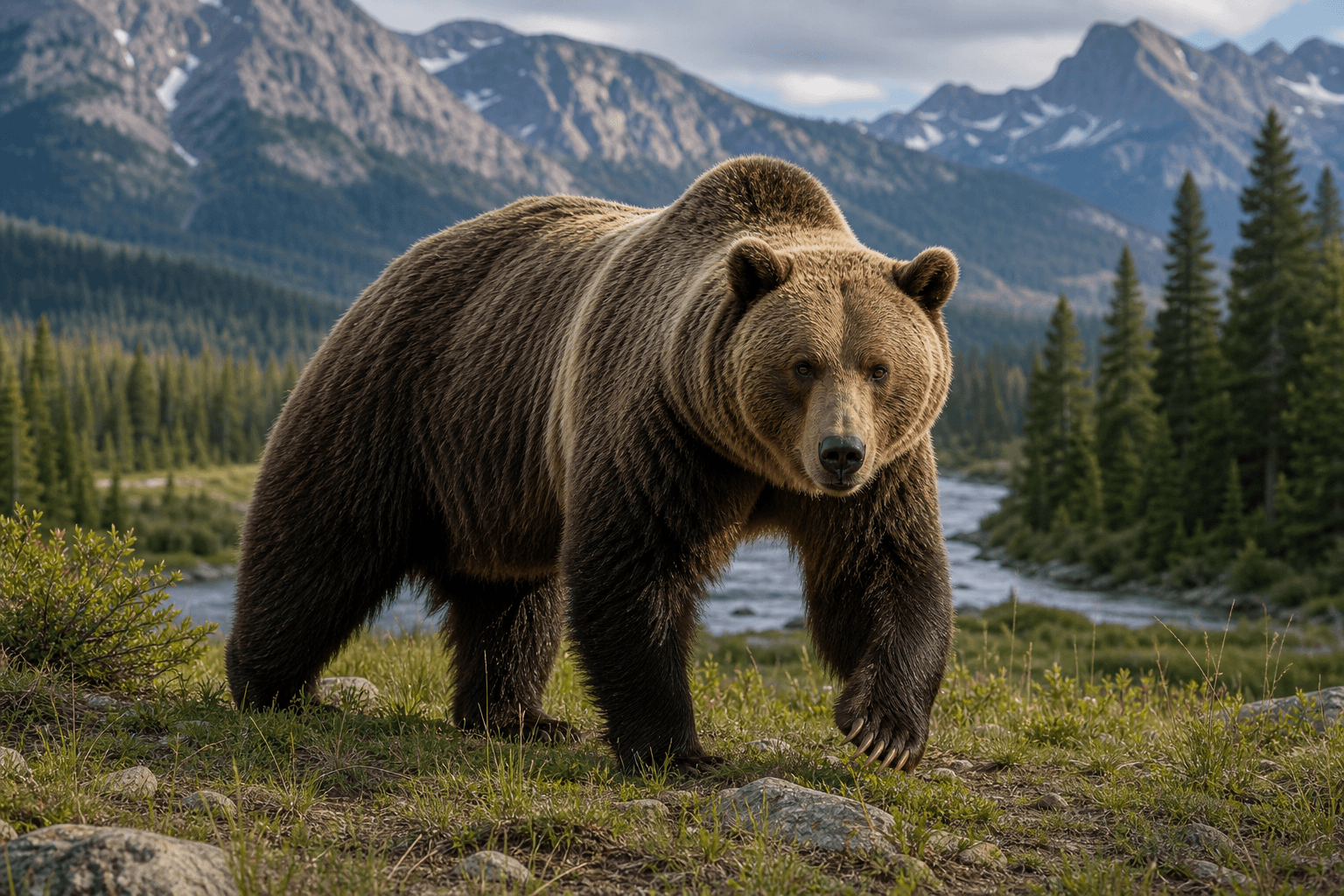
Forests and Mountain Valleys
Forests, mountains, river valleys, and tundra edges can give bears cover, seasonal food, denning areas, and room to move.
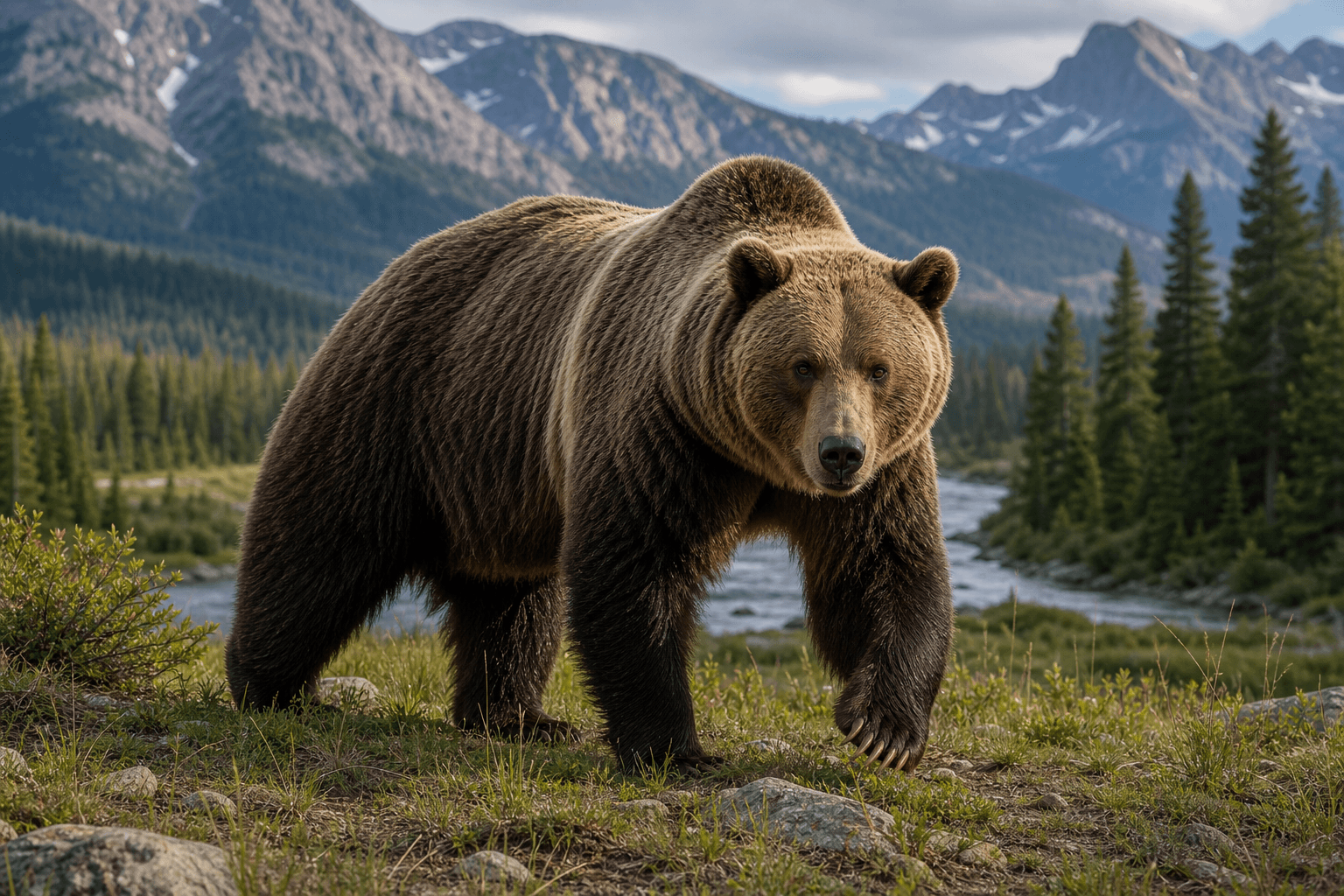
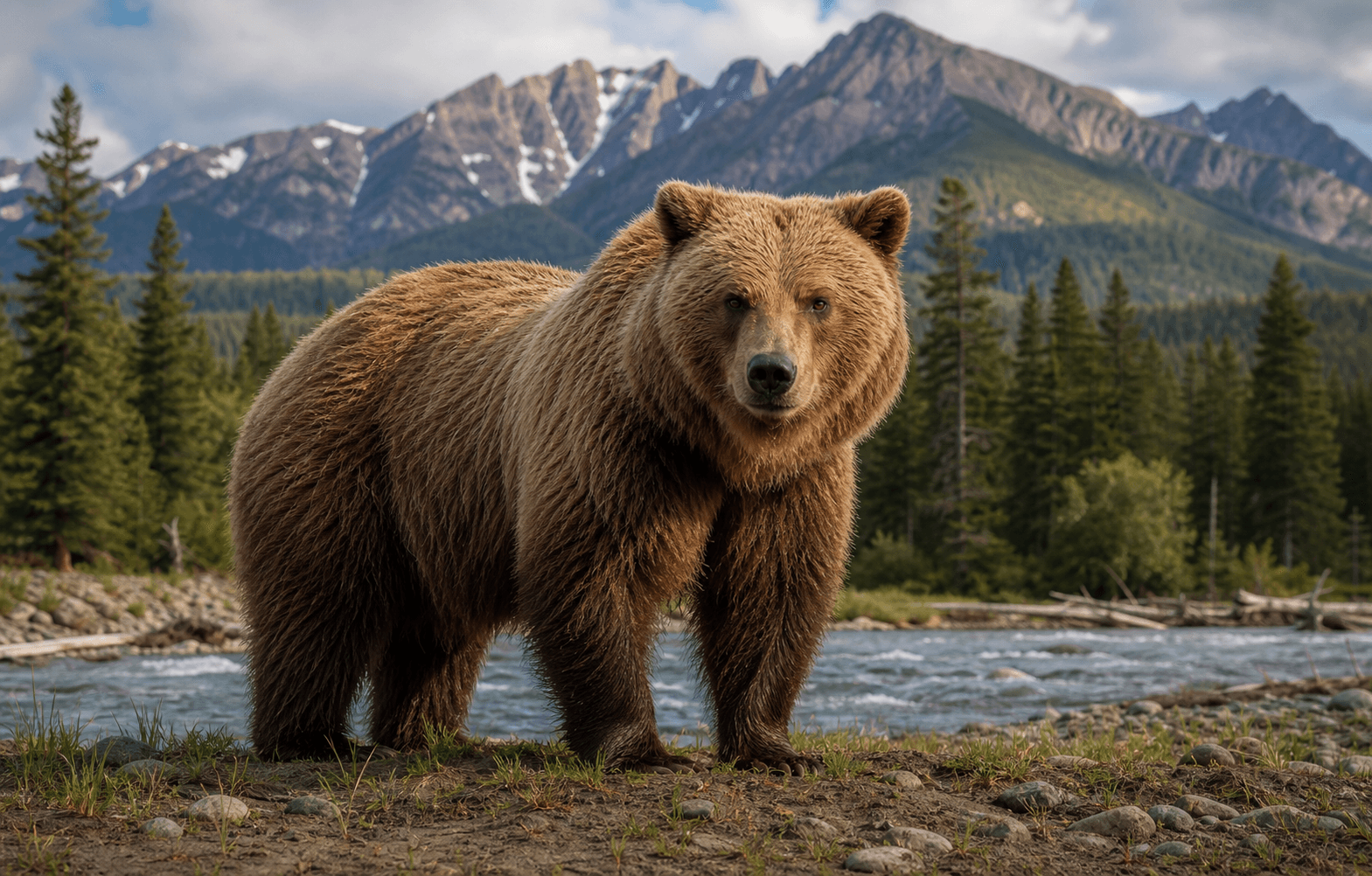
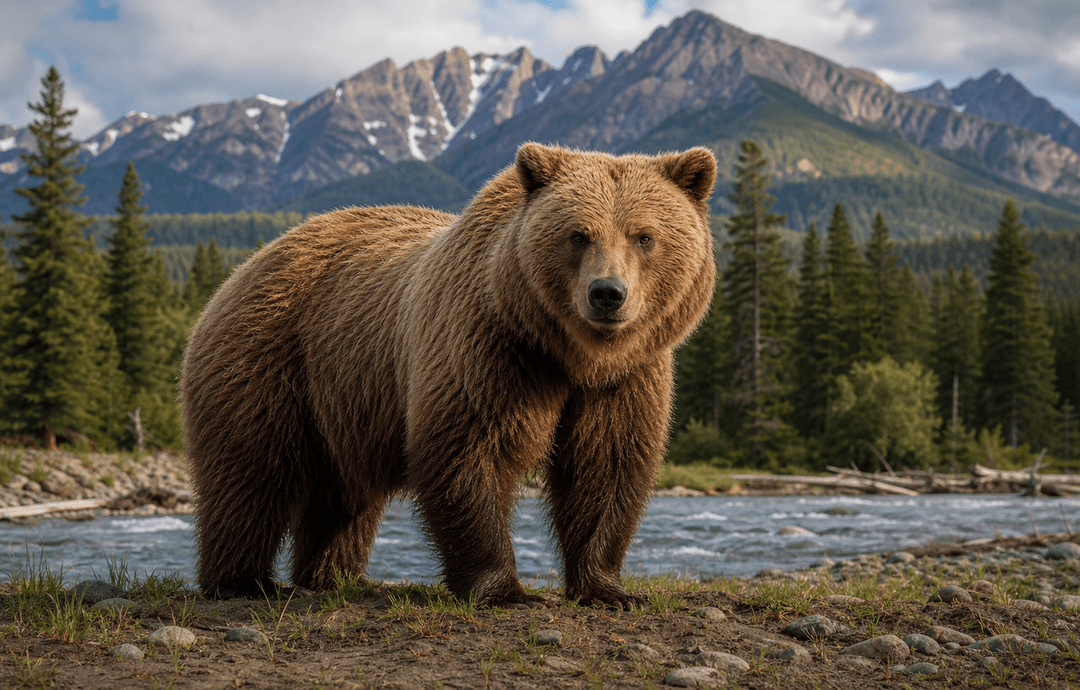
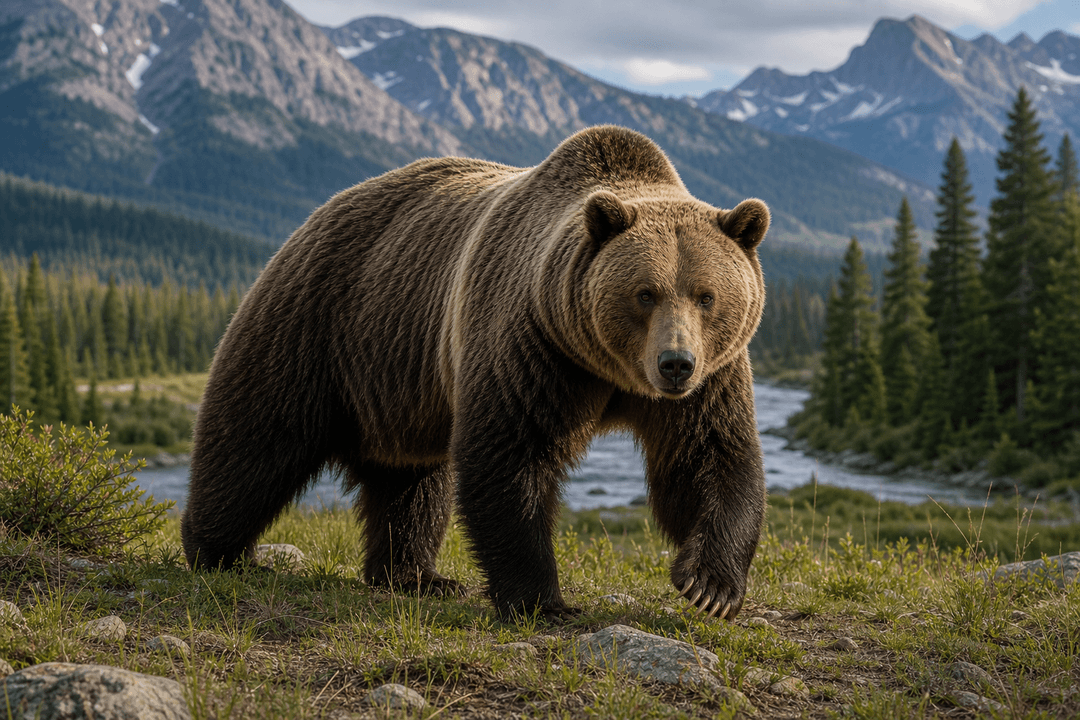
Rivers and Alpine Meadows
Grizzly landscapes may include river corridors, berry slopes, alpine meadows, avalanche paths, and wild mountain forests.
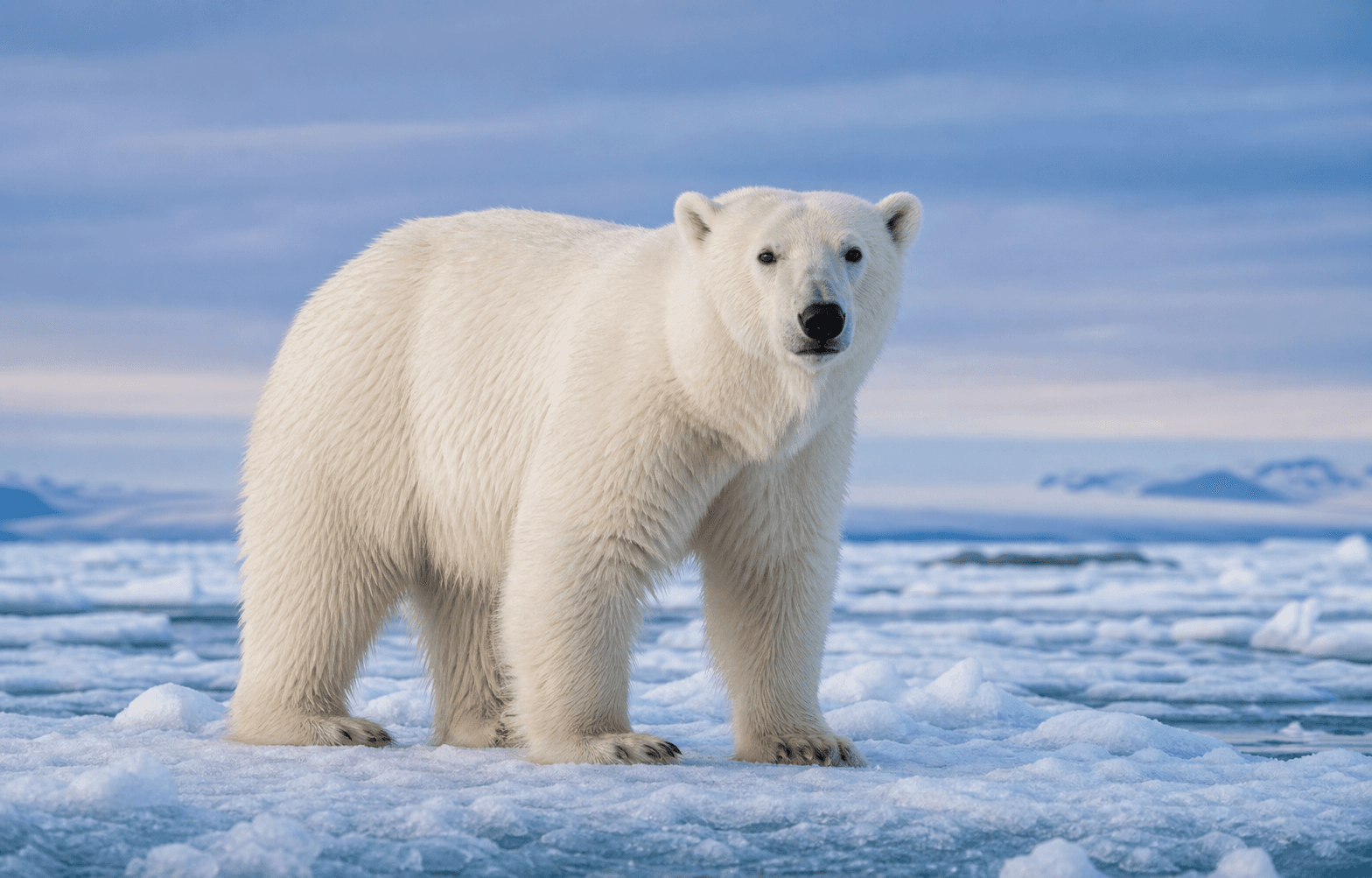
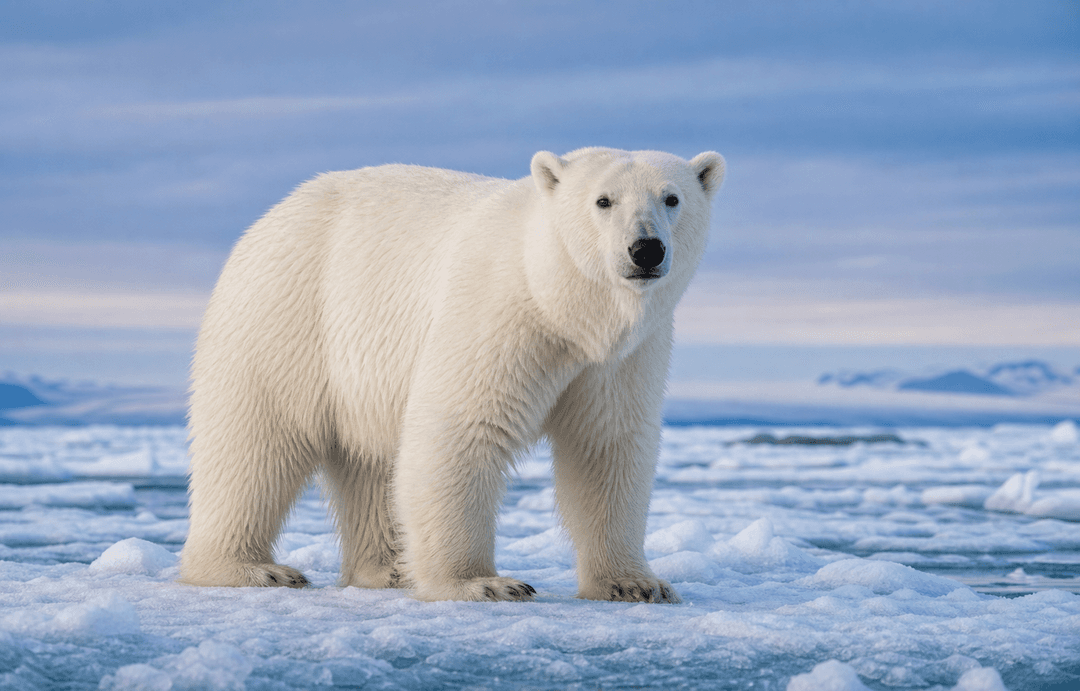
Sea Ice and Arctic Coasts
Polar bears are tied to Arctic sea ice and northern coasts, where seasonal ice, seals, and changing conditions shape their range.
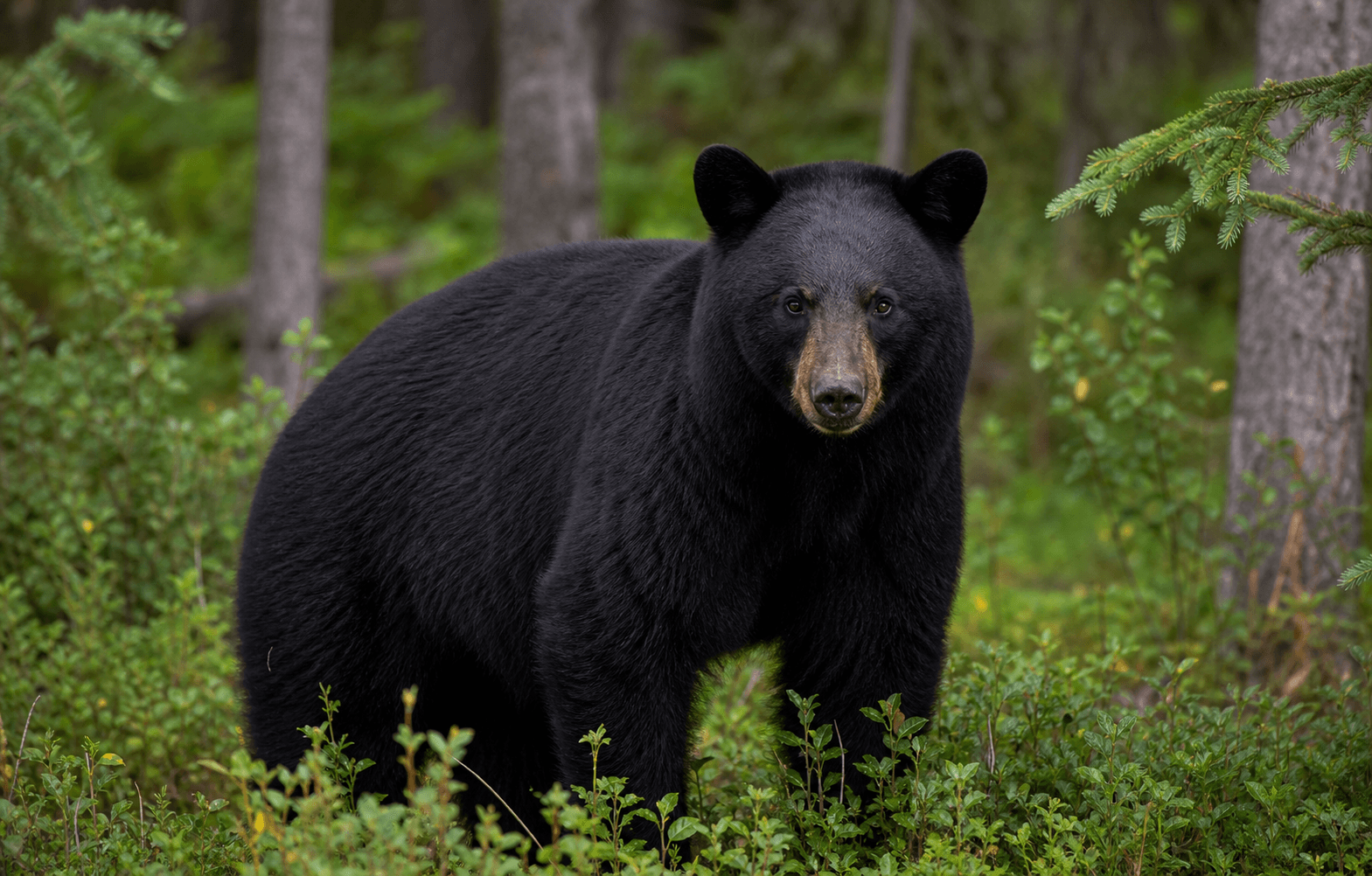
Mixed Forest Edges
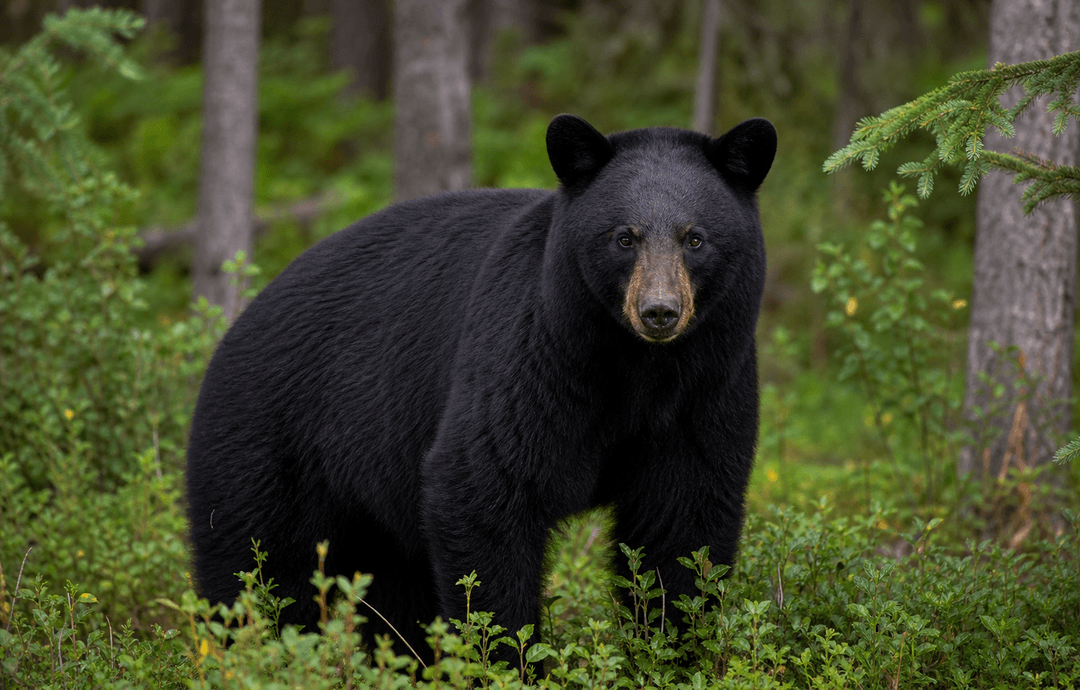
American black bears are adaptable forest bears that may use mountains, wetlands, suburban edges, and food-rich woodland patches.
Featured Species
Four Bears With Different Habitat Stories
Regional Examples
Regional Examples
North America includes American black bears across many forested regions, brown or grizzly bears in parts of Alaska, western Canada, and limited areas of the northwestern United States, and polar bears in Arctic regions connected to sea ice. Europe has brown bears in scattered populations, including parts of Scandinavia, the Carpathians, the Balkans, and other mountain or forest areas.
Asia includes several bear species and important brown bear regions in Russia, including Siberia and the Far East. The Himalayas and surrounding mountain areas are associated with species such as the Asiatic black bear and Himalayan brown bear in some regions. Each example shows a different mix of elevation, climate, forest cover, food, and human land use.
Why Bear Range Changes With Seasons
Bear habitat is seasonal because bear food is seasonal. In spring, bears may search for fresh plants, carrion, and early food sources. In summer, insects, berries, fish, and vegetation become important in many regions. In autumn, bears often focus on high-energy foods that help them prepare for winter. Where winters are cold, many bears enter dens and reduce activity for long periods.
This seasonal movement can make a range map feel misleading if it is read too literally. A valley may be important during berry season, while a river may be important during fish runs. A forest edge near people may attract bears if unsecured food, fruit trees, garbage, or livestock feed are available. Broad range is one layer; local food and season are another.
Why Bears Are Feared or Misunderstood
Bears are feared because they are large, strong, and intelligent. They can stand, dig, climb, swim, and remember food sources. Their size makes people take them seriously, and that respect is sensible. But fear can become misunderstanding when all bear behavior is described as aggression. Many bear encounters involve surprise, food attraction, cub defense, or bears trying to avoid conflict.
Bears are not simply forest threats. They are omnivores, ecosystem participants, seed dispersers, scavengers, and symbols of wilderness. The best educational approach is to understand what draws bears into certain places and why human food can create problems. A bear that learns to associate people with food can become a serious management concern.
Famous Bear Habitat Patterns
A coastal brown bear habitat may be shaped by fish runs, beaches, sedge meadows, and forest edges. A mountain grizzly landscape may include avalanche slopes, berry patches, river corridors, and high meadows. A black bear landscape may look like mixed forest with streams, fallen logs, mast-producing trees, and nearby openings. A polar bear landscape is different again, tied to sea ice, seals, and Arctic coastal systems.
These examples show why the word bear covers many ecological stories. A single animal button on a map can introduce the group, but a serious guide should remind readers that species, region, and season change the details. Bears are adaptable, but they are not randomly scattered across the map.
Human Food and Bear Range Edges
One reason bears become visible near people is that human food sources can be easy to smell and remember. Garbage, bird feeders, orchards, campsites, pet food, and livestock feed can draw bears into places where conflict becomes more likely. This does not mean bears are trying to be troublesome. It means a smart animal is responding to available calories.
That is why many bear-country communities focus on prevention. Secure storage, clean campsites, bear-resistant containers, and careful visitor education help keep bears wild and reduce conflict. Habitat learning is not only about remote wilderness. It is also about the edges where people and wildlife share the same landscape.
Practical Educational Context
In bear country, local guidance matters. Parks and wildlife agencies often provide instructions about food storage, hiking, camping, and viewing distances. BeastAtlas does not replace those instructions and does not provide safety guarantees. It helps readers understand where bears live and why habitat, food, and season matter.
Presence Scores are simplified educational estimates. They are not exact population counts or safety guarantees. They are meant to support learning, not predict whether a bear is near a specific trail, campsite, neighborhood, or river.
Reality Note
Bears are powerful animals, but they are not one-dimensional symbols of danger. They respond to food, cover, season, and human behavior. Understanding bear habitat can help families appreciate both the wonder of seeing bear country and the responsibility of treating it with care.
The most useful BeastAtlas lesson is that bear range is a living pattern. It changes with climate, food, conservation, and human choices.
Presence Scores are simplified educational estimates. They are not exact population counts or safety guarantees.