
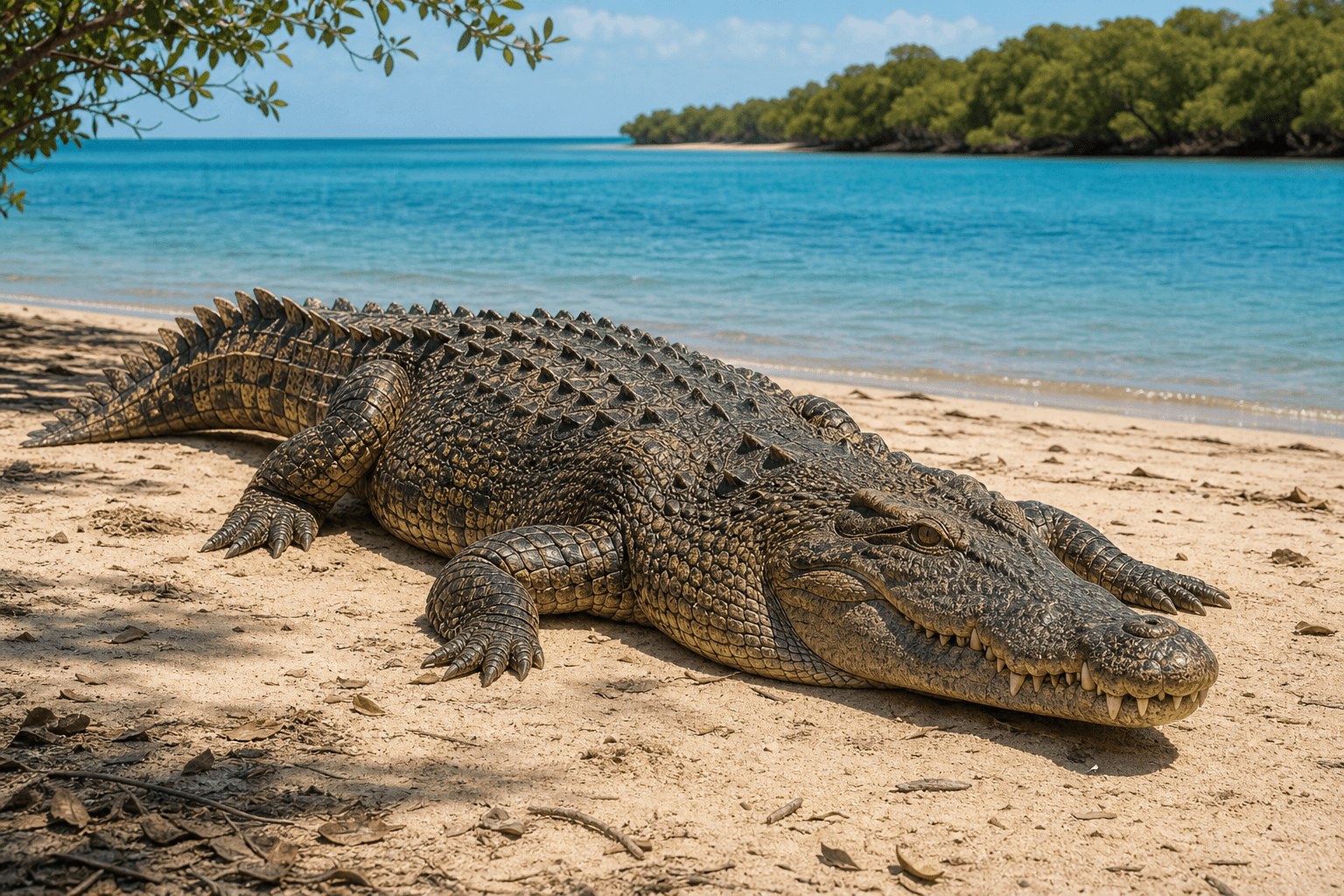
Wildlife Guide
Where Do Crocodiles Live?
Explore the rivers, swamps, mangroves, estuaries, and warm coastal habitats that shape crocodile range.
Back to guidesCrocodiles Are Warm-Region Water Predators
Crocodiles live mainly in warm parts of the world where water, cover, and prey are available for much of the year. They are strongly associated with rivers, swamps, floodplains, mangroves, lakes, lagoons, and estuaries. Some species stay mostly in freshwater systems, while others can tolerate brackish or salty coastal water. This is why crocodile range is often linked to tropical and subtropical regions rather than cold mountain or polar environments.
A crocodile habitat is not just a stretch of water. It includes muddy banks for basking, quiet edges for resting, nesting areas above flood level, fish and other prey, and places where young crocodiles can hide from larger predators. The best crocodile landscapes are usually connected systems: rivers flowing into wetlands, floodplains opening during rainy seasons, or mangroves meeting tidal creeks near the coast.
Crocodile Habitats
Rivers, Swamps, Mangroves, and Coastal Habitats
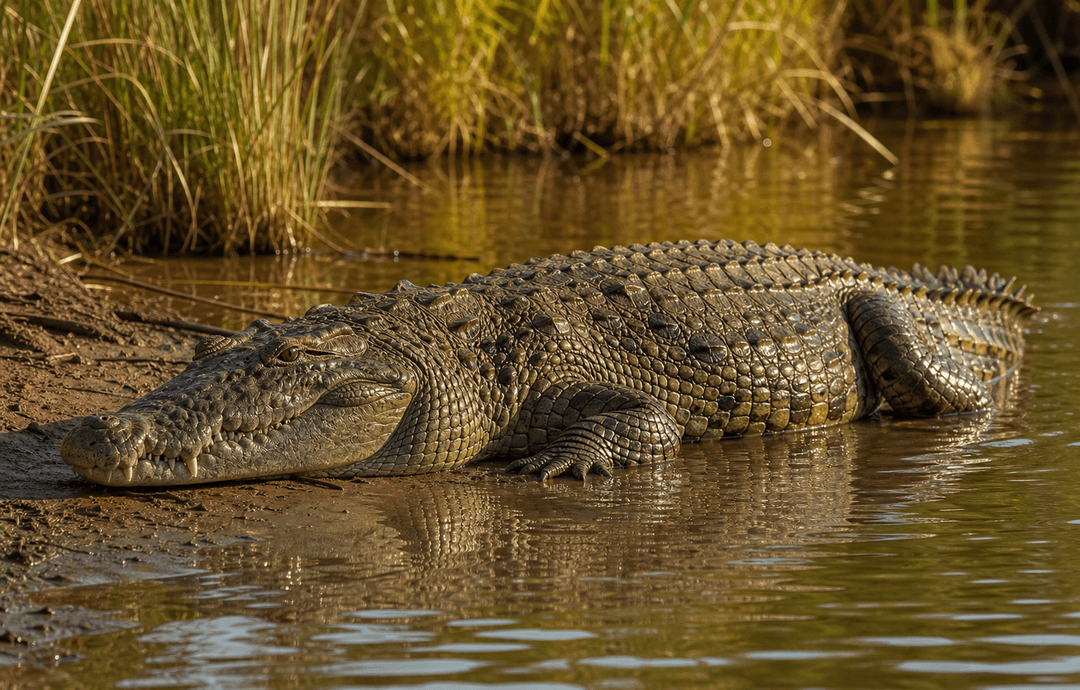
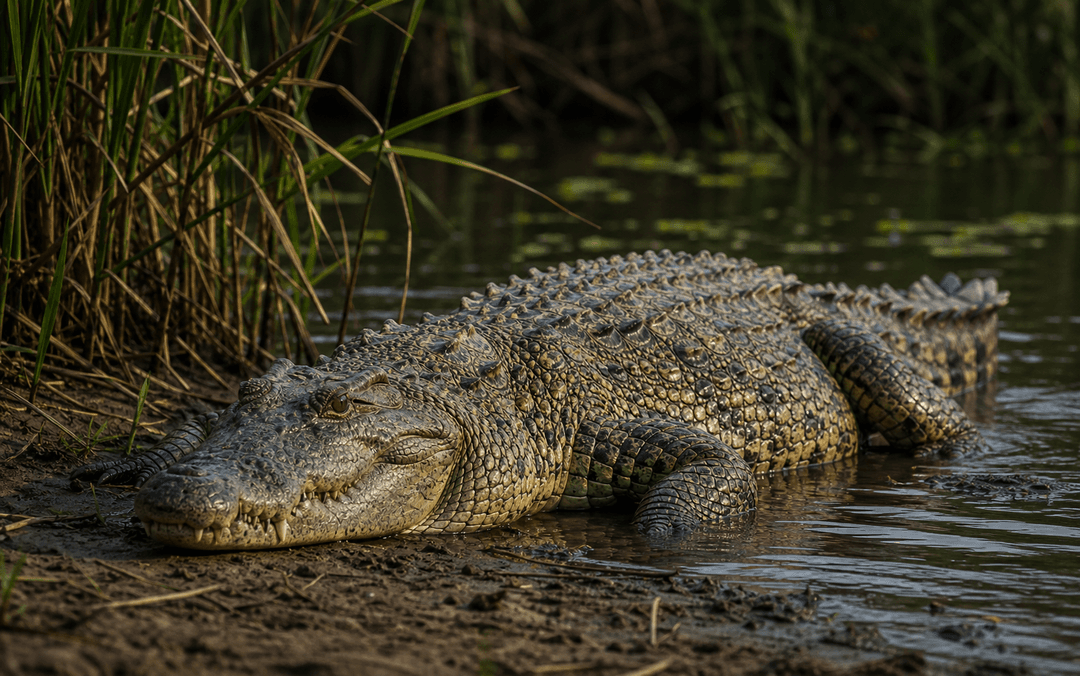
Rivers are classic crocodile habitat because they create travel corridors and bring animals to the water's edge. Crocodiles can rest in slow bends, use banks for sunning, and move between pools as seasons change. Swamps and marshes offer more cover, especially for young crocodiles. Dense reeds, floating vegetation, and shallow water can hide smaller animals while still providing fish, frogs, birds, and other prey.
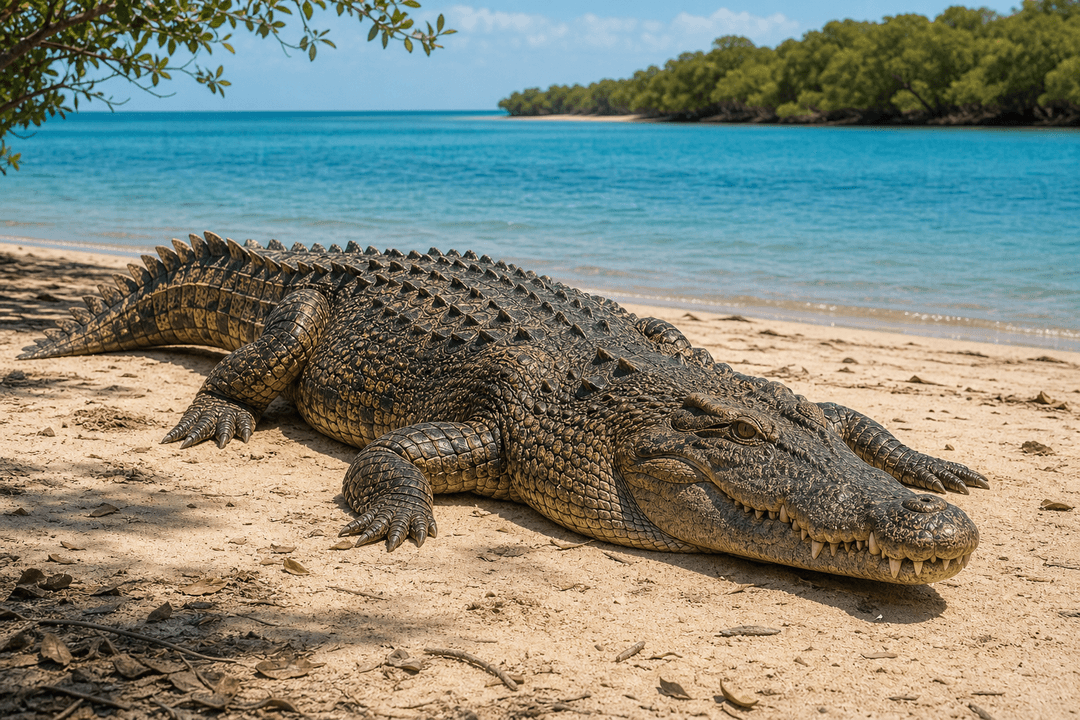
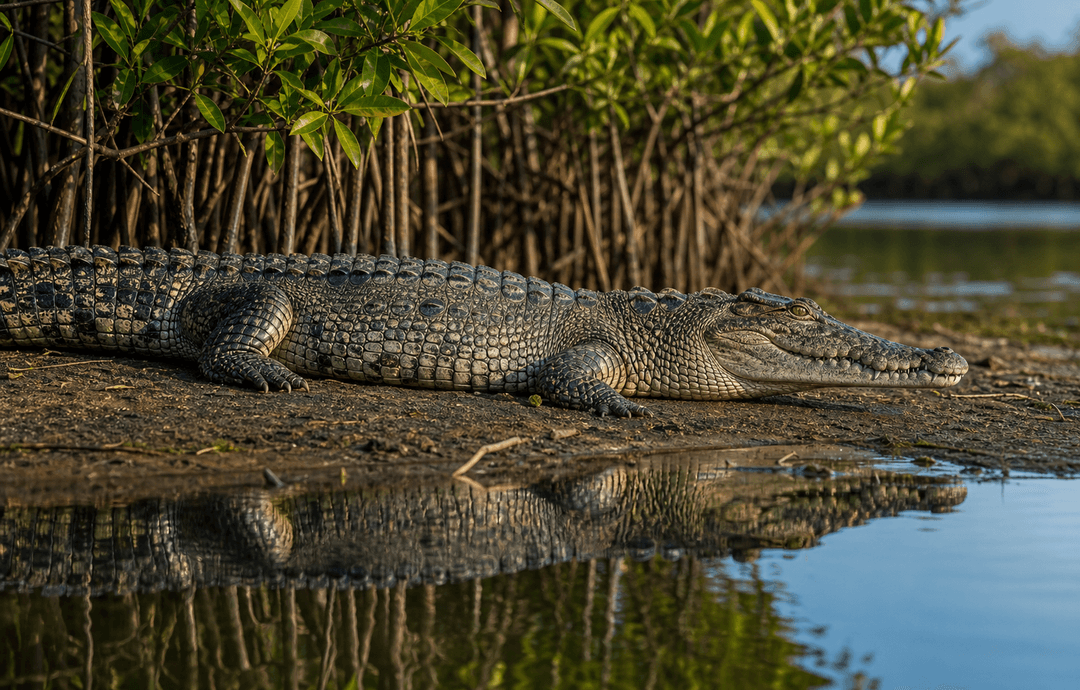
Mangroves and estuaries are especially important for species that tolerate brackish water. These habitats sit between land and sea, with tides, mudflats, roots, and channels that create many hiding places. Coastal crocodiles may move through river mouths, tidal creeks, lagoons, and island edges. A broad map may show a coastline or river region, but the animal is usually tied to particular waterways, banks, and sheltered places within that larger area.
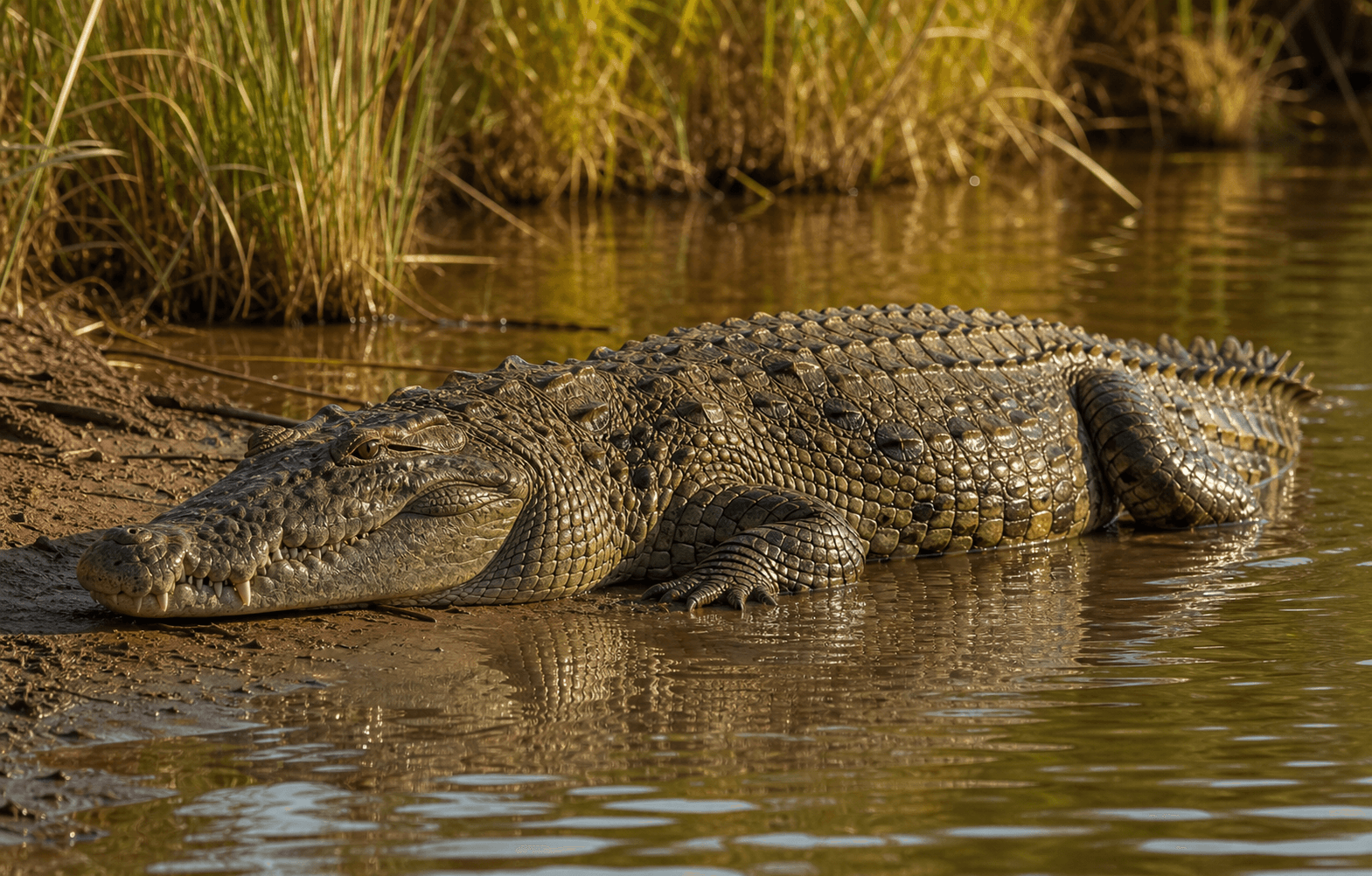
Rivers and Floodplains
Freshwater rivers, lakes, floodplains, and wetland margins give crocodiles travel routes, basking banks, prey, and seasonal shelter.
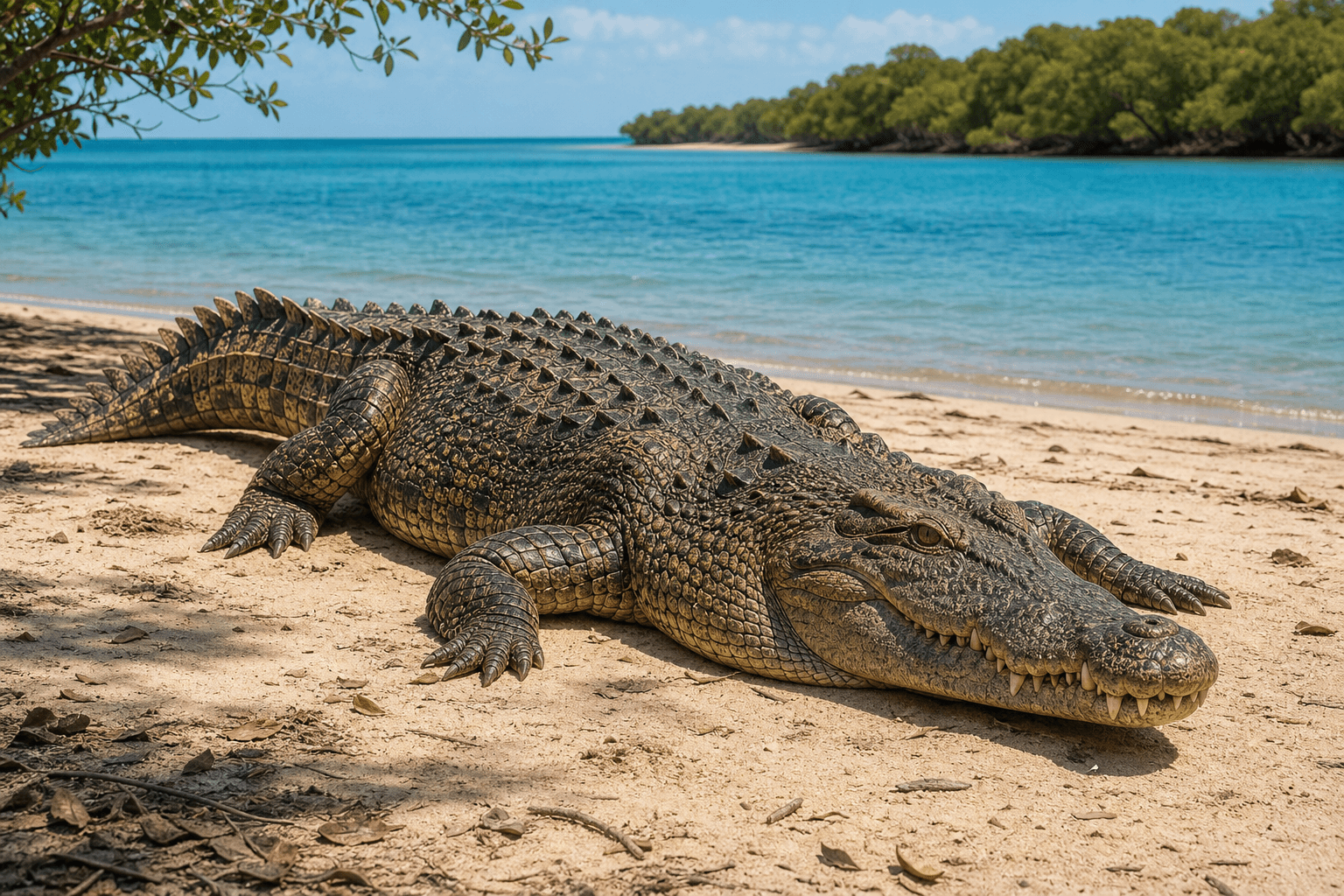
Mangroves and Estuaries
Mangroves, tidal creeks, lagoons, and brackish river mouths are especially important for crocodiles that tolerate coastal water.
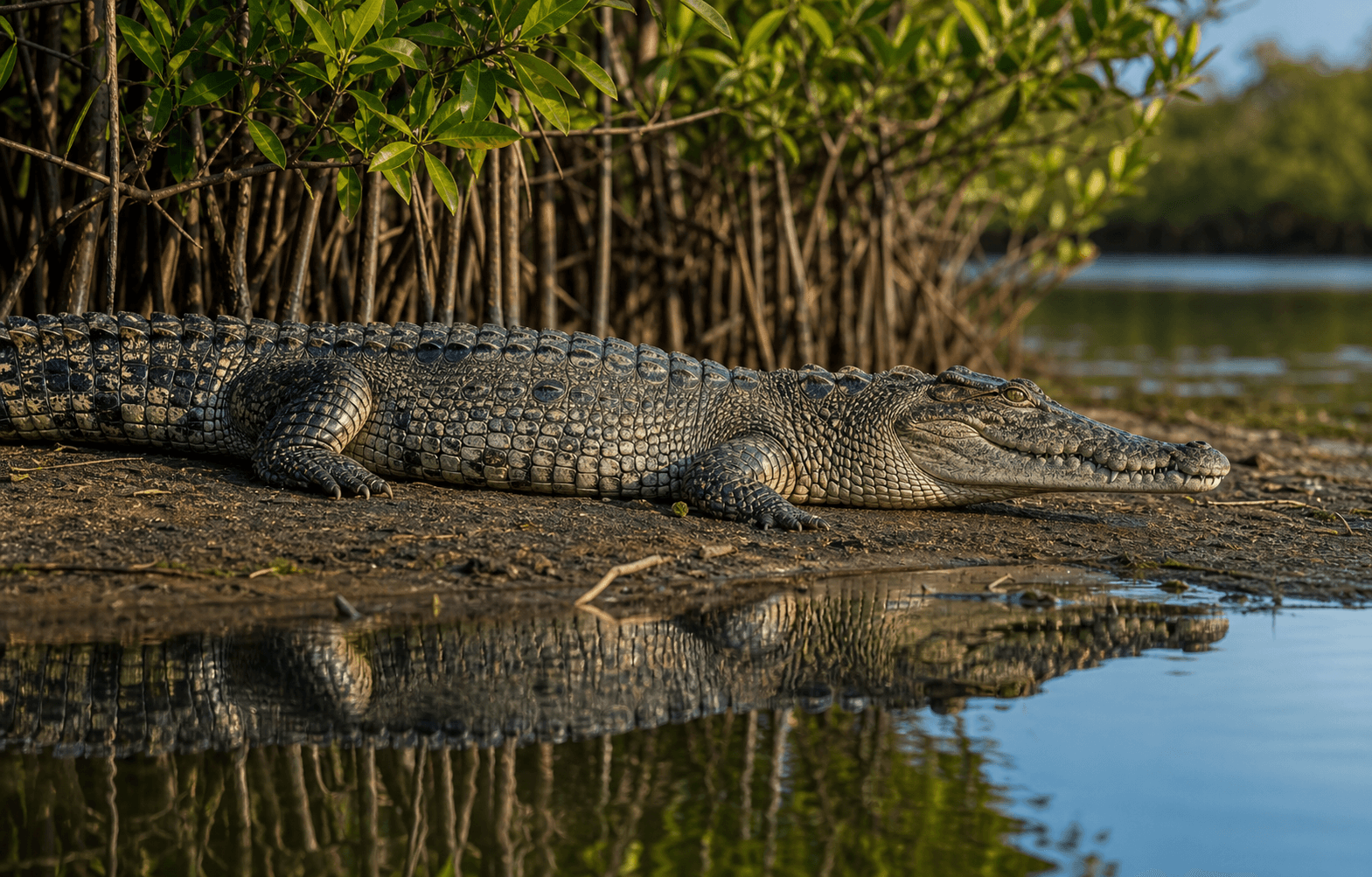
Warm Coastal Wetlands
Warm coastal lagoons, brackish wetlands, and sheltered shorelines can support localized crocodile populations in parts of the Americas.
Featured Species
Three Crocodiles With Different Water Stories
Regional Examples
Famous Crocodile Regions Around the World
Africa is famous for the Nile crocodile, which is associated with major rivers, lakes, wetlands, and floodplains across many parts of the continent. The Nile River is the name most people recognize, but Nile crocodiles are not limited to that river alone. They can be linked with large freshwater systems and wetland landscapes where climate and prey support them.
Northern Australia, Papua New Guinea, parts of Southeast Asia, and coastal South Asia are strongly associated with saltwater crocodiles. These crocodiles can use rivers, mangroves, estuaries, and coastal water, giving them one of the most striking ranges of any crocodilian. The Americas also have crocodile species, including the American crocodile in parts of Florida, the Caribbean, Central America, and northern South America, as well as other crocodilians such as caimans and alligators in different habitats.
Why Crocodiles Are Feared
Crocodiles are feared because they are powerful ambush predators, often hidden at the edge of water. Their eyes and nostrils can stay above the surface while most of the body remains concealed. This makes them feel mysterious and intimidating, especially in places where people fish, wash, travel, or collect water near rivers and wetlands.
That fear has a real ecological basis, but it can become exaggerated when every crocodile is treated like a movie monster. Crocodiles are not patrolling the world looking for people. They are animals using efficient hunting strategies in their own habitats. Risk depends on species, size, local behavior, water use, season, and whether people or livestock regularly enter crocodile habitat. Local wildlife guidance is always more useful than a global fear ranking.
Why Range Maps Are Simplified
A crocodile range map can show where a species is known or likely to occur, but it cannot tell you whether a crocodile is present at one exact bend in a river or one exact boat ramp on a given day. Water levels, floods, droughts, nesting seasons, prey movement, and human activity can all change how crocodiles use space. Some waterways may be suitable habitat, while nearby stretches are too disturbed, too cold, too dry, or too exposed.
BeastAtlas uses broad educational range ideas so readers can understand the geography of crocodile habitats. Presence Scores are simplified educational estimates. They are not exact population counts or safety guarantees. For local decisions, especially near crocodile country, people should follow park signs, wildlife authorities, lifeguards, tour operators, and community safety guidance.
What Makes a Good Crocodile Habitat?
A good crocodile habitat usually has several layers working together. There must be water deep enough for movement and shelter, banks or muddy edges where crocodiles can warm themselves, and places where females can nest above ordinary water levels. Young crocodiles need shallow, sheltered edges with vegetation or debris where they can avoid larger predators. Adults need enough prey and enough space to move between resting and feeding areas.
Seasonal change is also important. In many tropical landscapes, the rainy season spreads water across floodplains and opens new routes. The dry season can concentrate animals around remaining pools, channels, and river bends. This is why the same crocodile region may feel very different at different times of year. A static map can show the broad habitat, but the living pattern is shaped by water.
How People Share Crocodile Landscapes
Many people live near rivers, wetlands, and coasts because those places support fishing, farming, transport, tourism, and daily life. That means crocodile conservation is also a human geography issue. Warning signs, protected swimming areas, local education, careful waste management, and respect for nesting or basking areas can all reduce conflict when they are designed for local conditions.
For students, this is a useful reminder that wildlife range is not separate from people. Crocodile country can include villages, parks, farms, boat ramps, mangrove forests, and remote wetlands. The goal is not to pretend crocodiles are harmless. The goal is to understand where they live and why informed local practices matter.
Educational Reality Note
Crocodiles are ancient, specialized animals that help shape wetland and river ecosystems. They are important predators, scavengers, and ecosystem participants. Their fearsome reputation is understandable, but it should be balanced with respect for habitat, conservation, and local knowledge.
For families and students, the main lesson is simple: crocodiles belong to water-connected landscapes, and people should give those habitats serious respect. Learning where crocodiles live helps turn vague fear into informed caution.
Presence Scores are simplified educational estimates. They are not exact population counts or safety guarantees.