Wildlife Guide
Where Do Snakes Live?
Explore the major places snakes live, why they succeed in so many habitats, and how to think about snake range without treating every snake as dangerous.
A Global Reptile With Many Homes
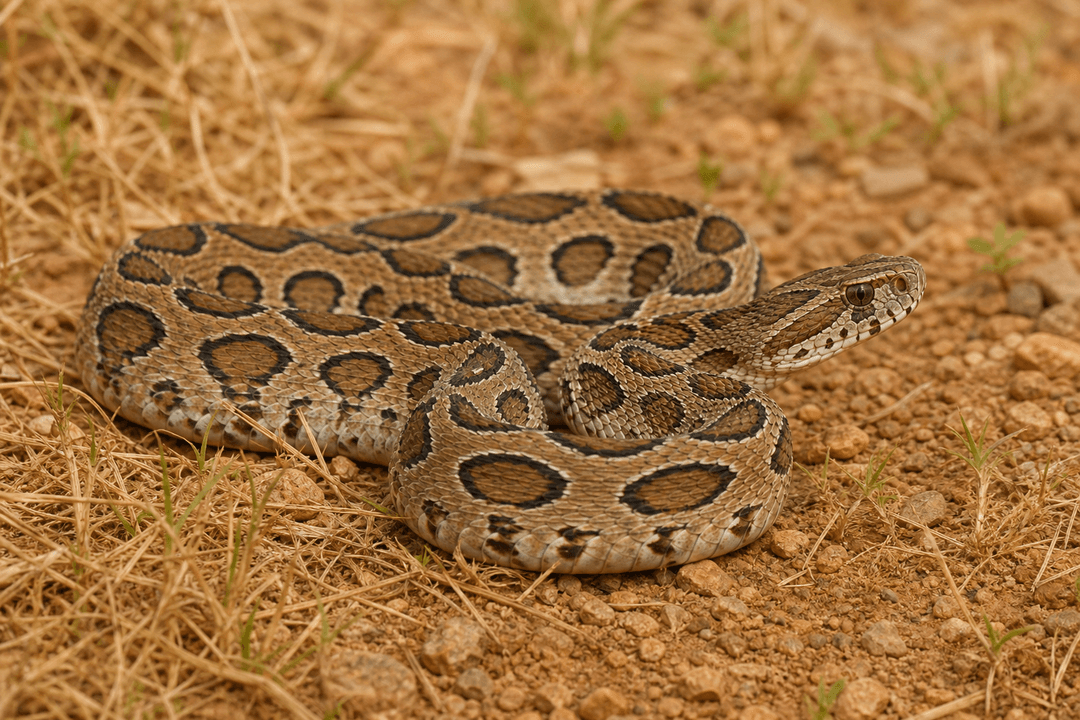
Snakes live on every continent except Antarctica, which makes them one of the most widespread groups of land vertebrates on Earth. They can be found in tropical forests, dry deserts, grasslands, wetlands, farms, rocky hills, mangrove edges, and even cool mountain areas. The key to understanding snake range is that there is no single snake habitat. Different species have very different needs, and the places they live depend on temperature, cover, prey, water, and shelter.
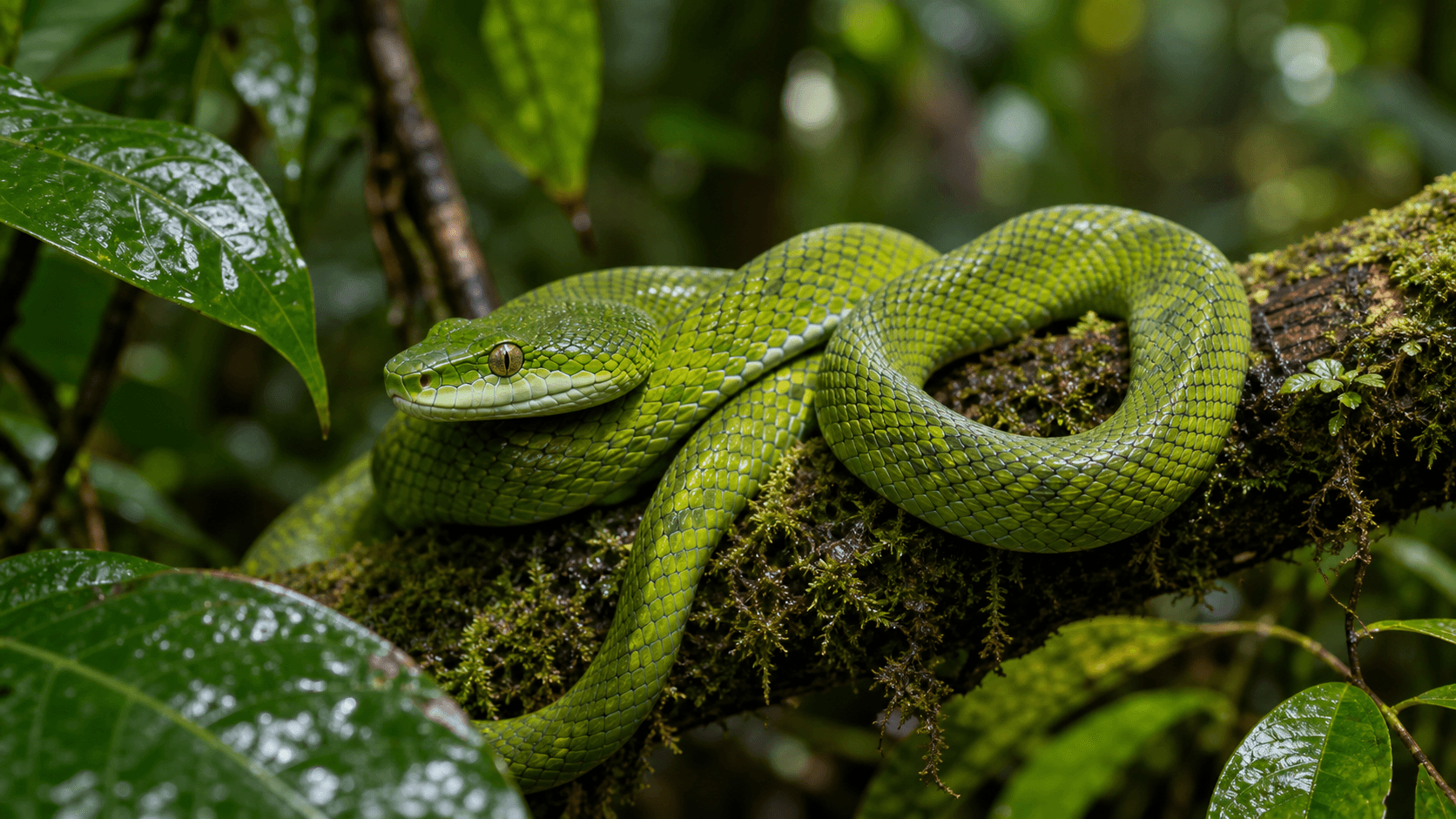
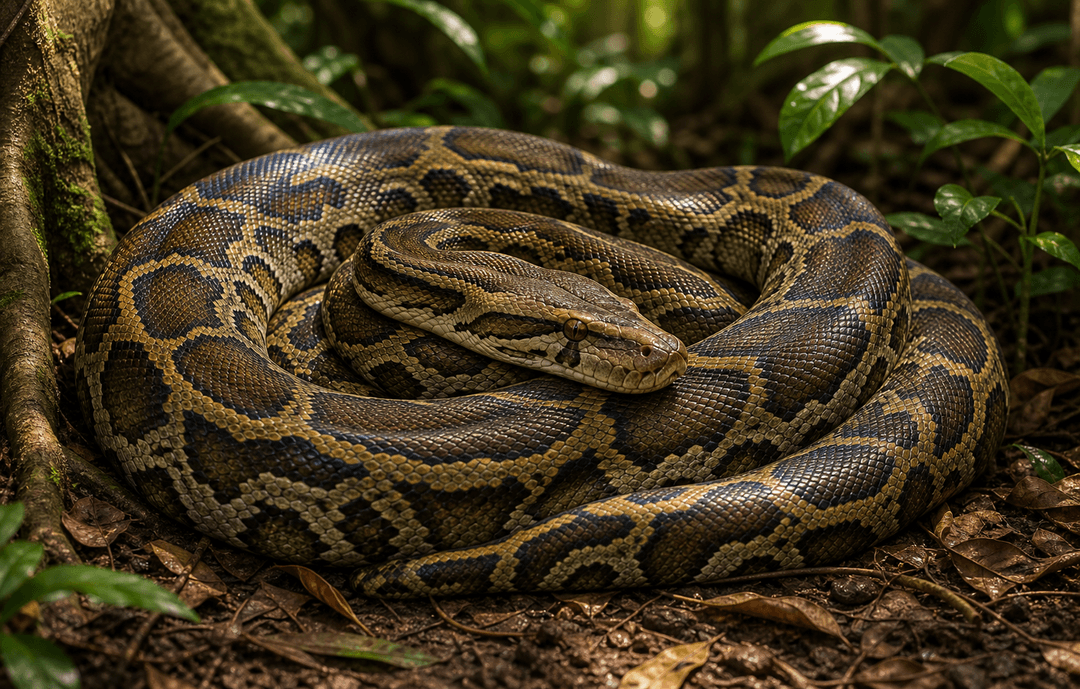
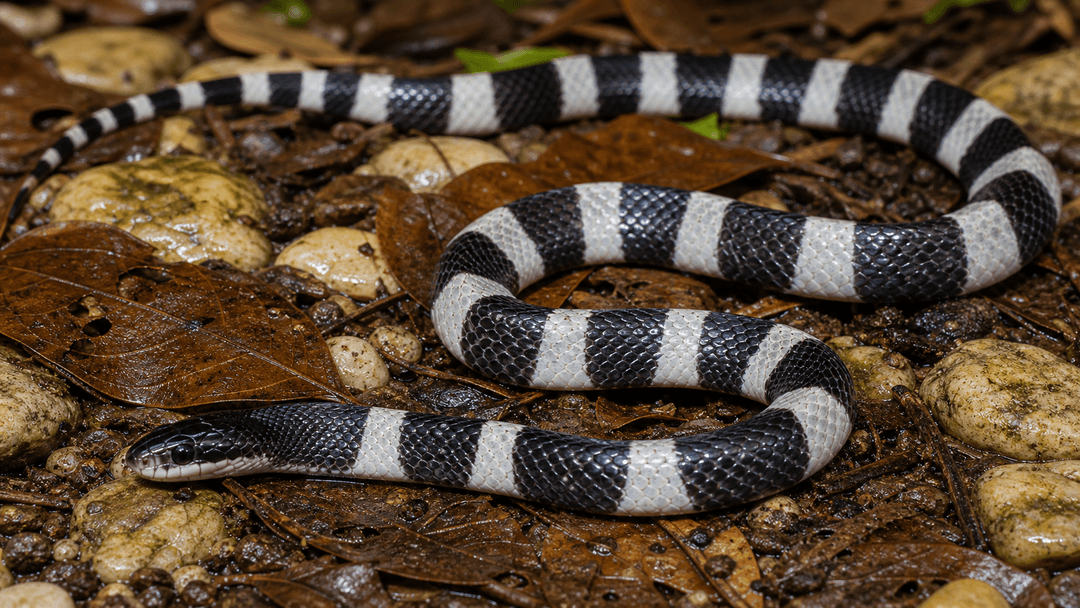
Many people picture snakes as desert animals, but some of the richest snake regions are warm, humid landscapes with dense vegetation. Tropical Asia, sub-Saharan Africa, Central and South America, and northern Australia all support famous snake species because the climate allows reptiles to stay active for much of the year. In cooler regions, snakes may be active only during warm seasons and spend cold months hidden underground, inside rock cracks, or in protected shelters.
Why Snakes Live in So Many Habitats
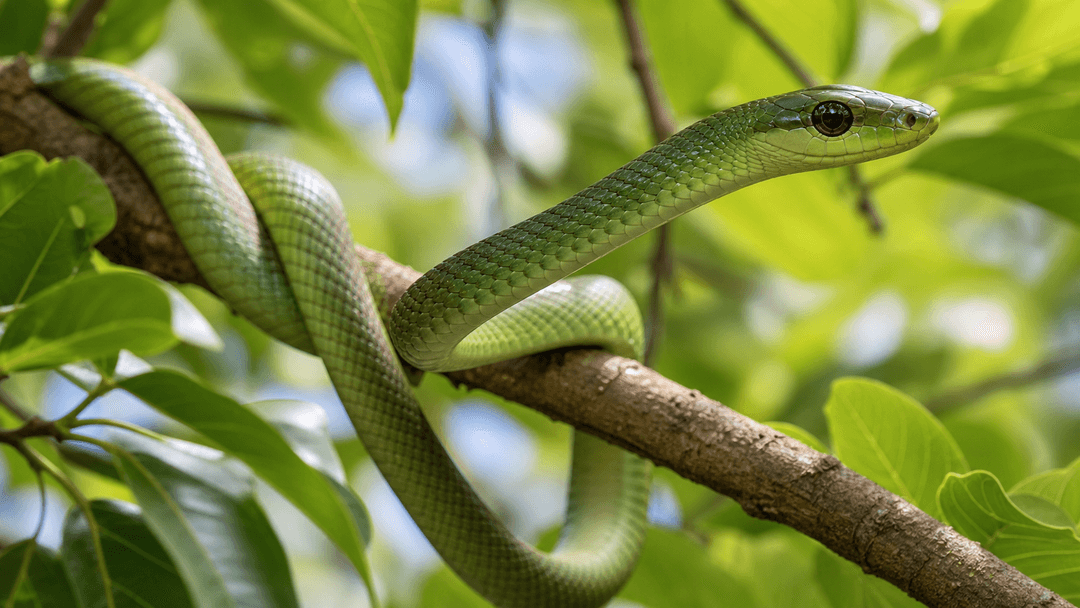
Snakes are successful because their body plan is flexible. A snake does not need legs to hunt, hide, climb, swim, or move through narrow spaces. Some species slip through grass and leaf litter. Others climb trees, swim through rivers, bury themselves in sand, or rest in animal burrows. This flexibility lets snakes use habitats that would be difficult for many other predators.
Food is another reason snakes appear in so many places. Some hunt rodents, some eat frogs or fish, some hunt lizards, and some specialize in birds, eggs, insects, or other snakes. If a habitat has suitable temperature, hiding places, and prey, at least some snake species may be able to live there. That does not mean every snake is common everywhere. It means the snake family has many specialists adapted to different corners of the world.
Warm Climates vs Cooler Climates
Snakes are ectothermic, meaning their body temperature depends heavily on the environment. Warm climates often allow snakes to be active for longer parts of the year. This is one reason tropical and subtropical regions can have many species. Warm forests, wetlands, and farmland edges may support both venomous and nonvenomous snakes because food and shelter remain available through much of the year.
Cooler climates can still support snakes, but the rhythm is different. Snakes in temperate regions may bask in sunlight, hunt during warmer hours, and retreat into shelters when temperatures drop. During cold seasons, many become inactive in dens, burrows, rock crevices, or other protected places. A range map may show a snake species across a broad area, but daily activity can change dramatically with season and weather.
Forest Snakes, Desert Snakes, Wetland Snakes, and Farm-Edge Snakes
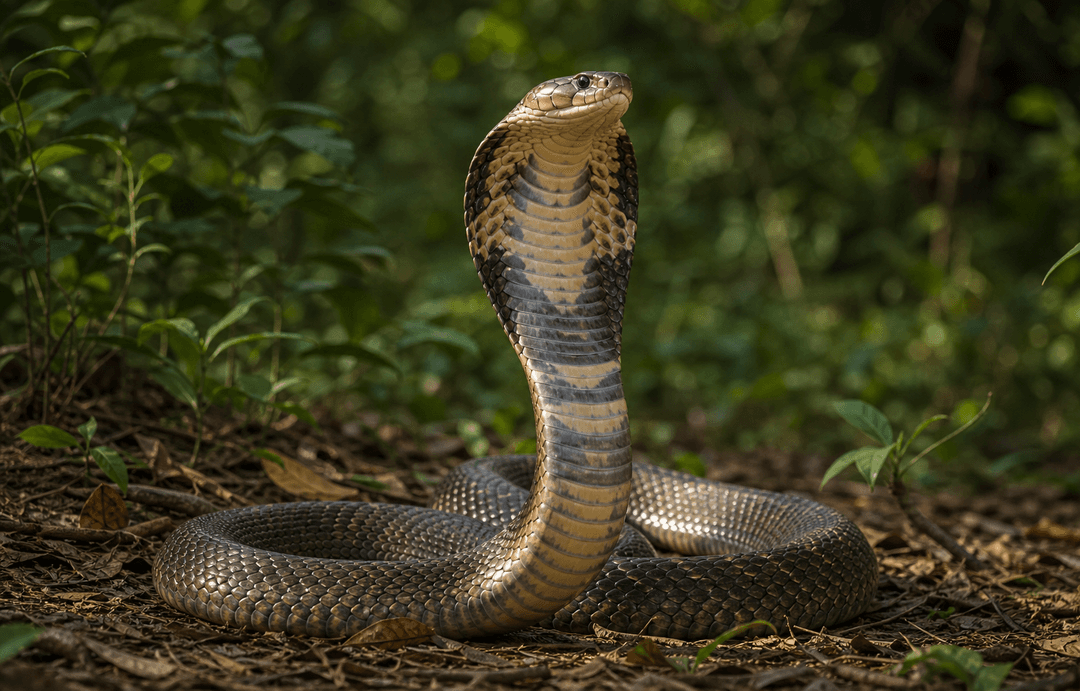
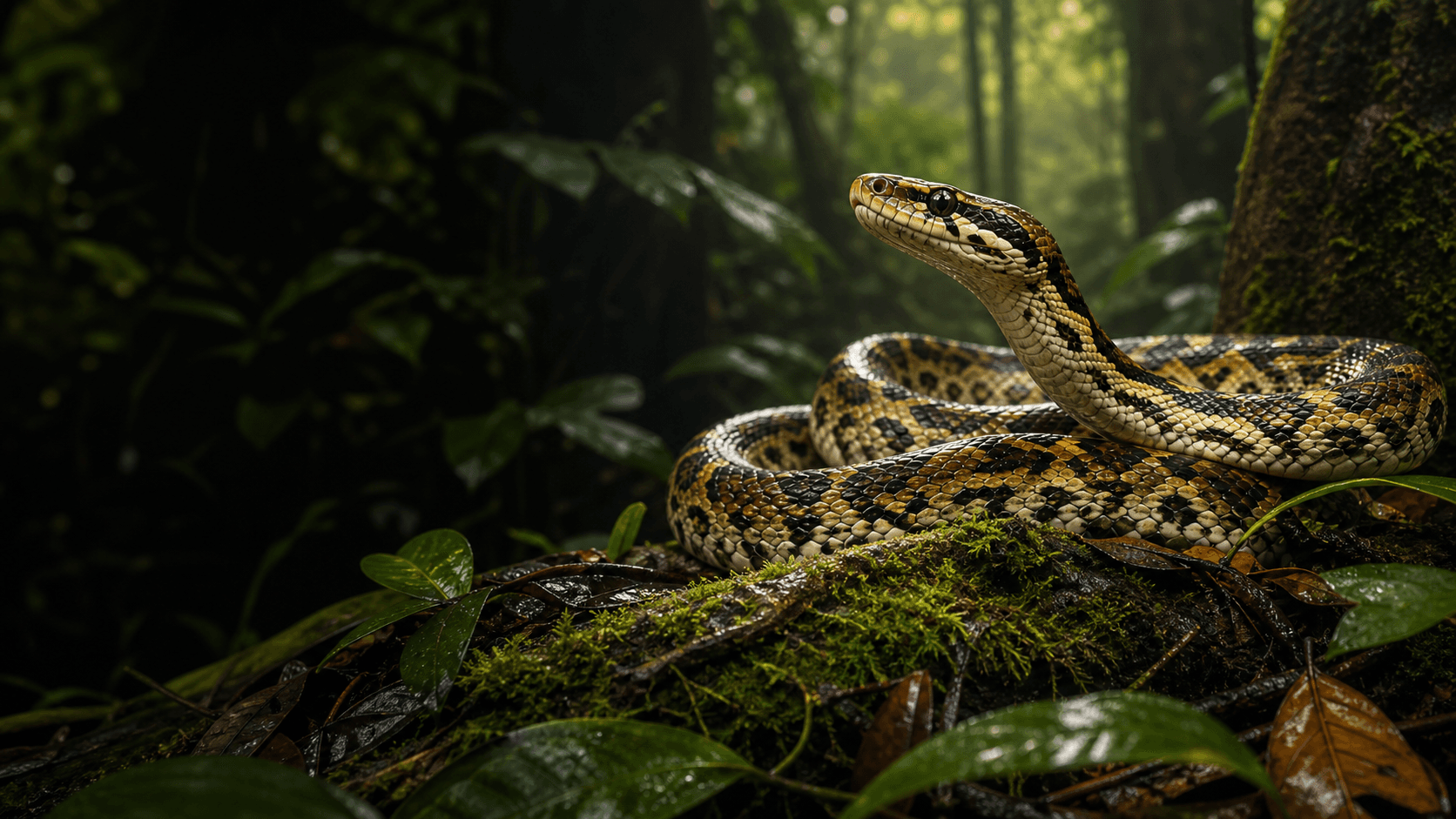
Forests give snakes shade, leaf litter, tree roots, fallen logs, and many small animals to hunt. Tree-dwelling snakes may hunt birds, lizards, or frogs. Ground snakes may wait near rodent trails or hide under vegetation. In rainforests and bamboo areas, cover is dense, so snakes can stay hidden even when they live close to paths, villages, or farms.
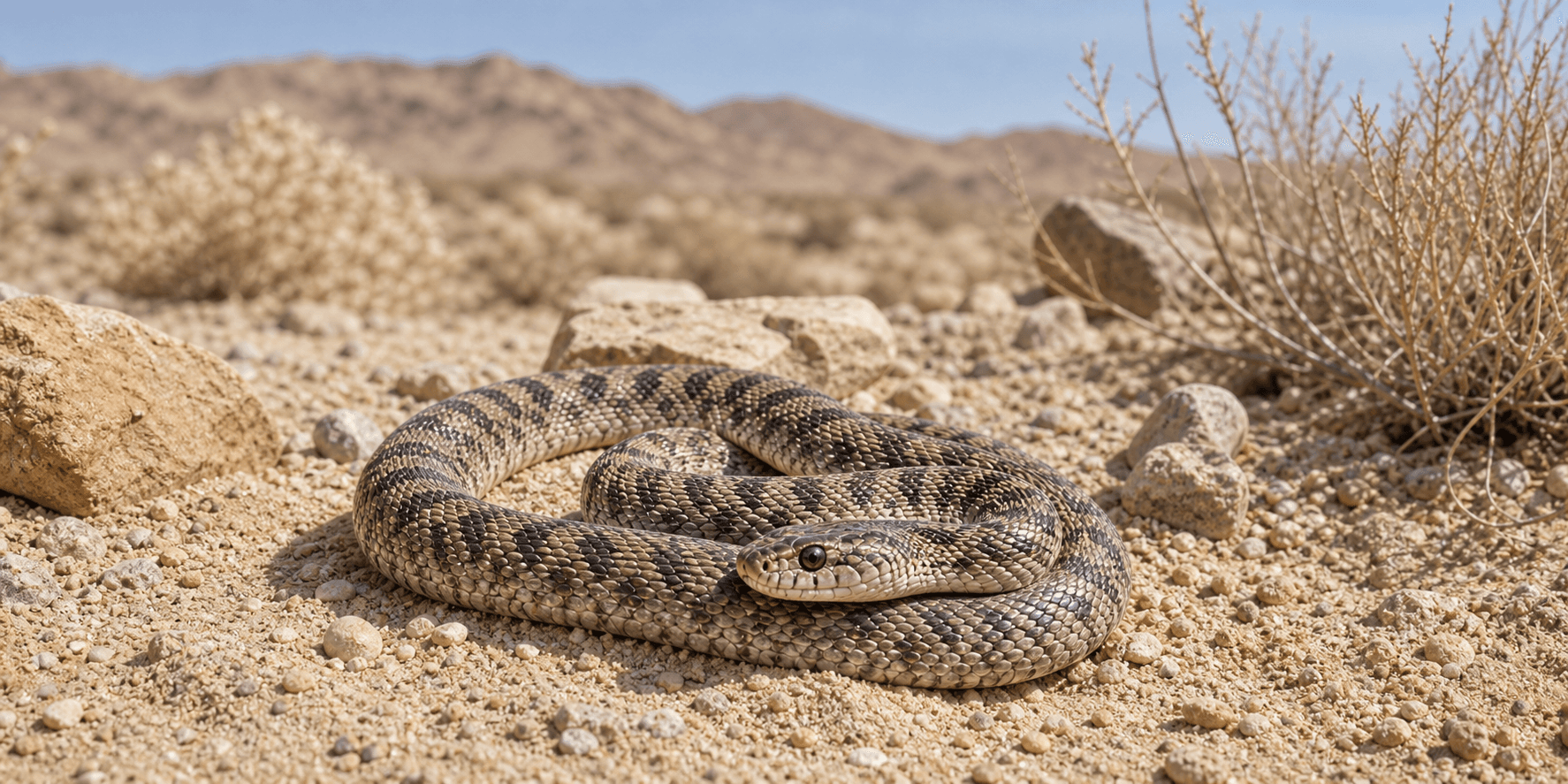
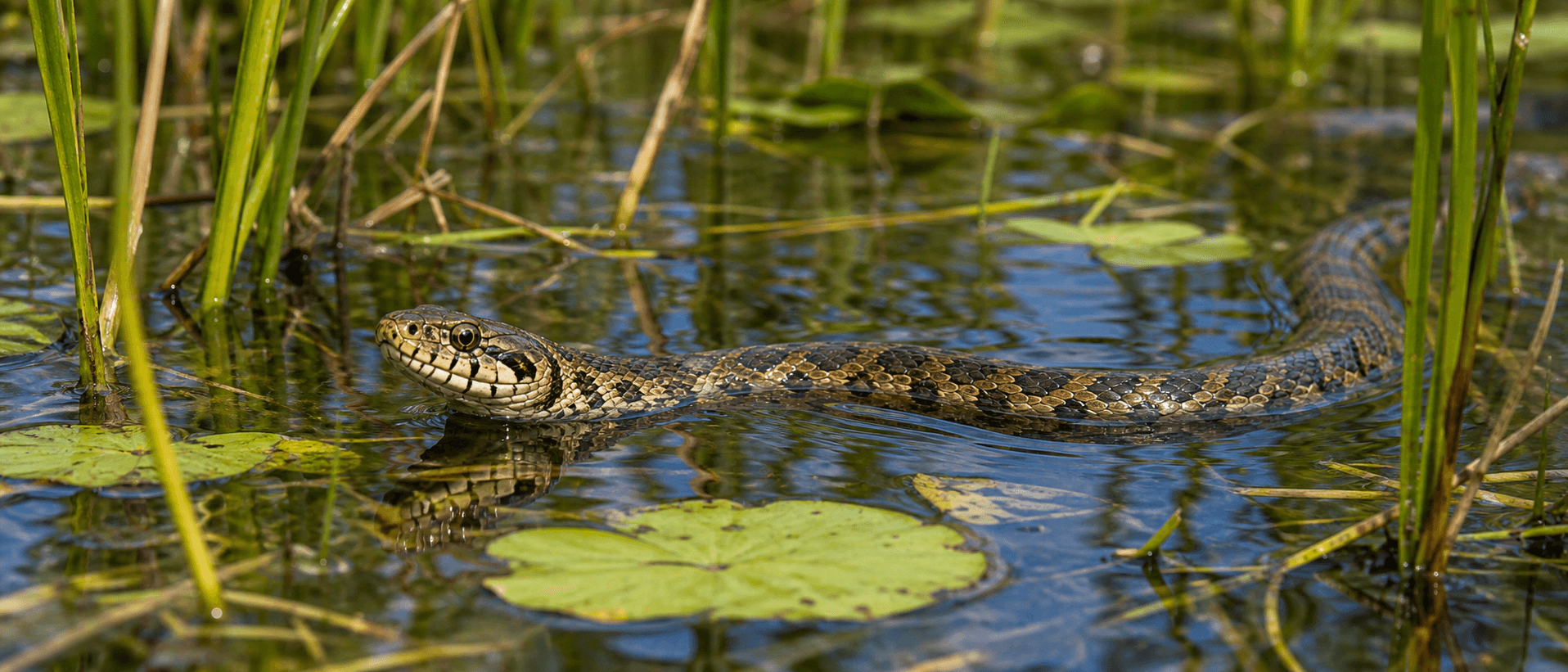
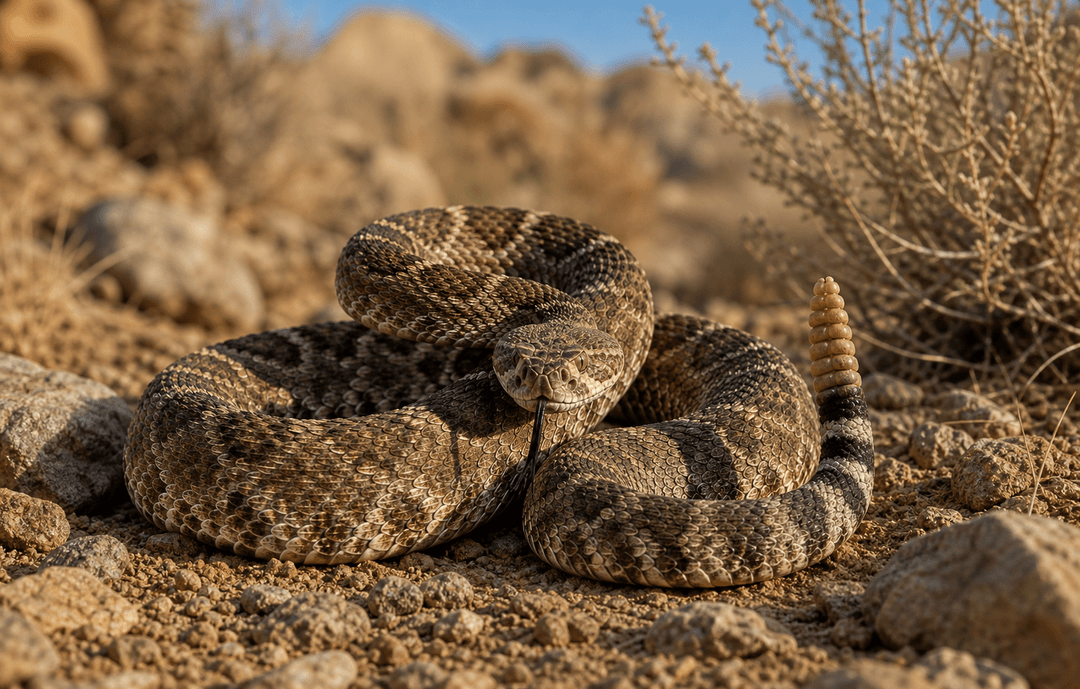
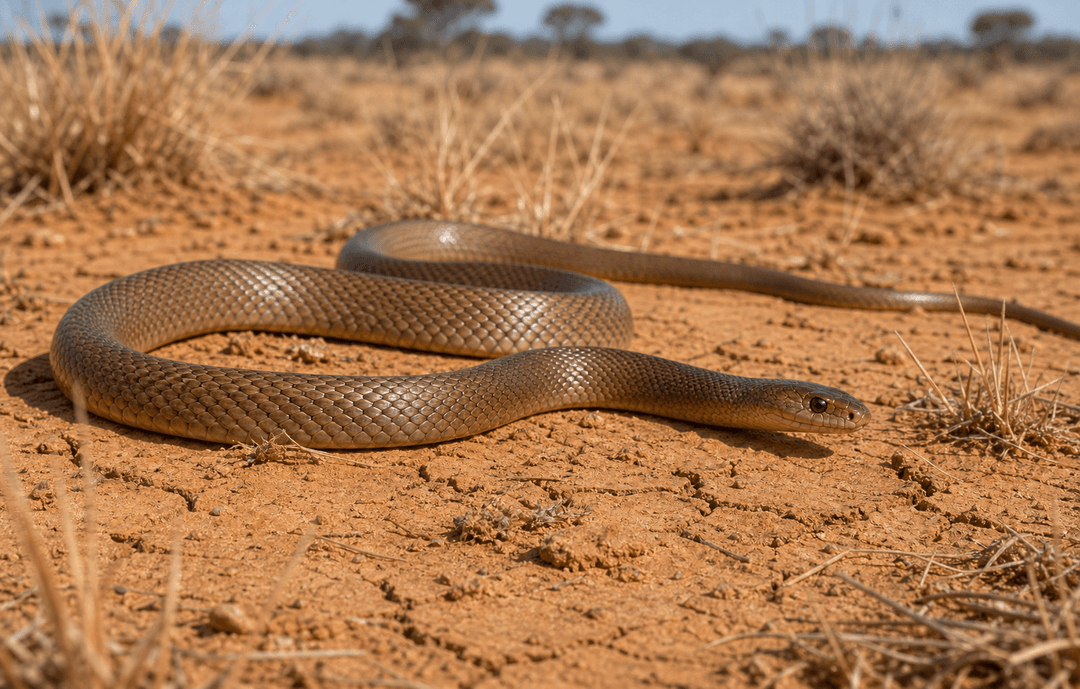
Desert snakes use a very different strategy. They often avoid the hottest hours and move at dawn, dusk, or night. Sand, stones, shrubs, and burrows provide cover. Wetland snakes may hunt fish, frogs, or animals that come to water. Farm-edge snakes often appear because rodents gather near grain, animal feed, gardens, irrigation channels, and storage areas. When people see snakes near farms, the snake is often following food and shelter rather than seeking contact with people.
Famous Snake Regions Around the World
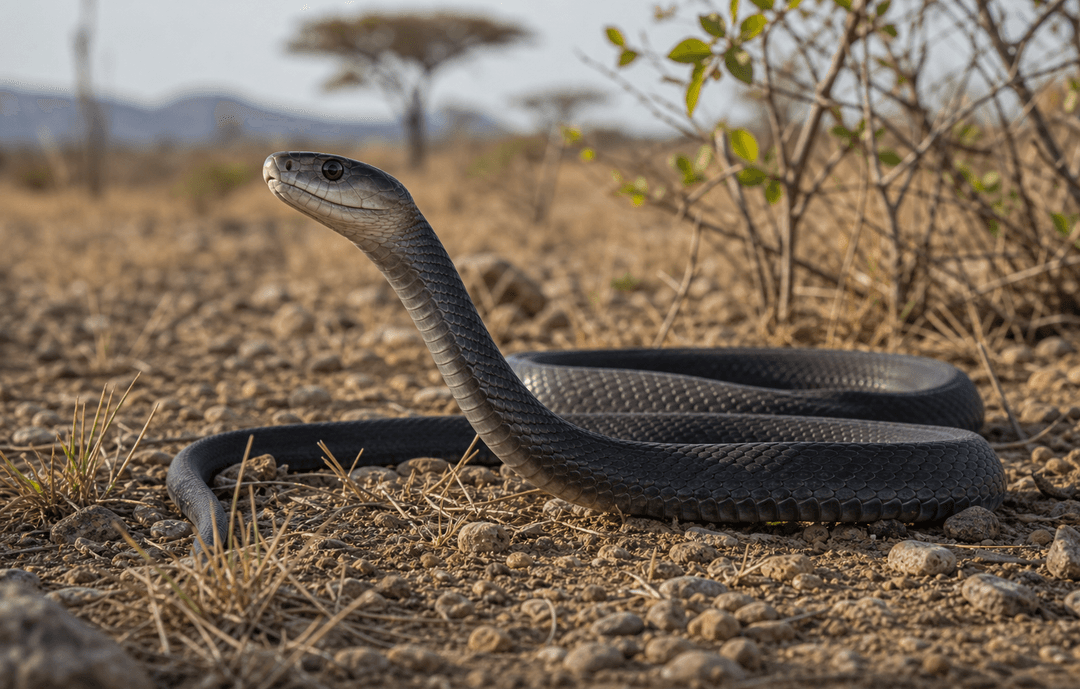
South and Southeast Asia are famous for cobras, kraits, vipers, pythons, and many harmless species. India, Thailand, Indonesia, Vietnam, and nearby regions include warm habitats where snakes can remain active through long seasons. Africa includes black mambas, puff adders, boomslangs, cobras, and large pythons, with species spread across savannas, forests, rocky country, and wetlands.
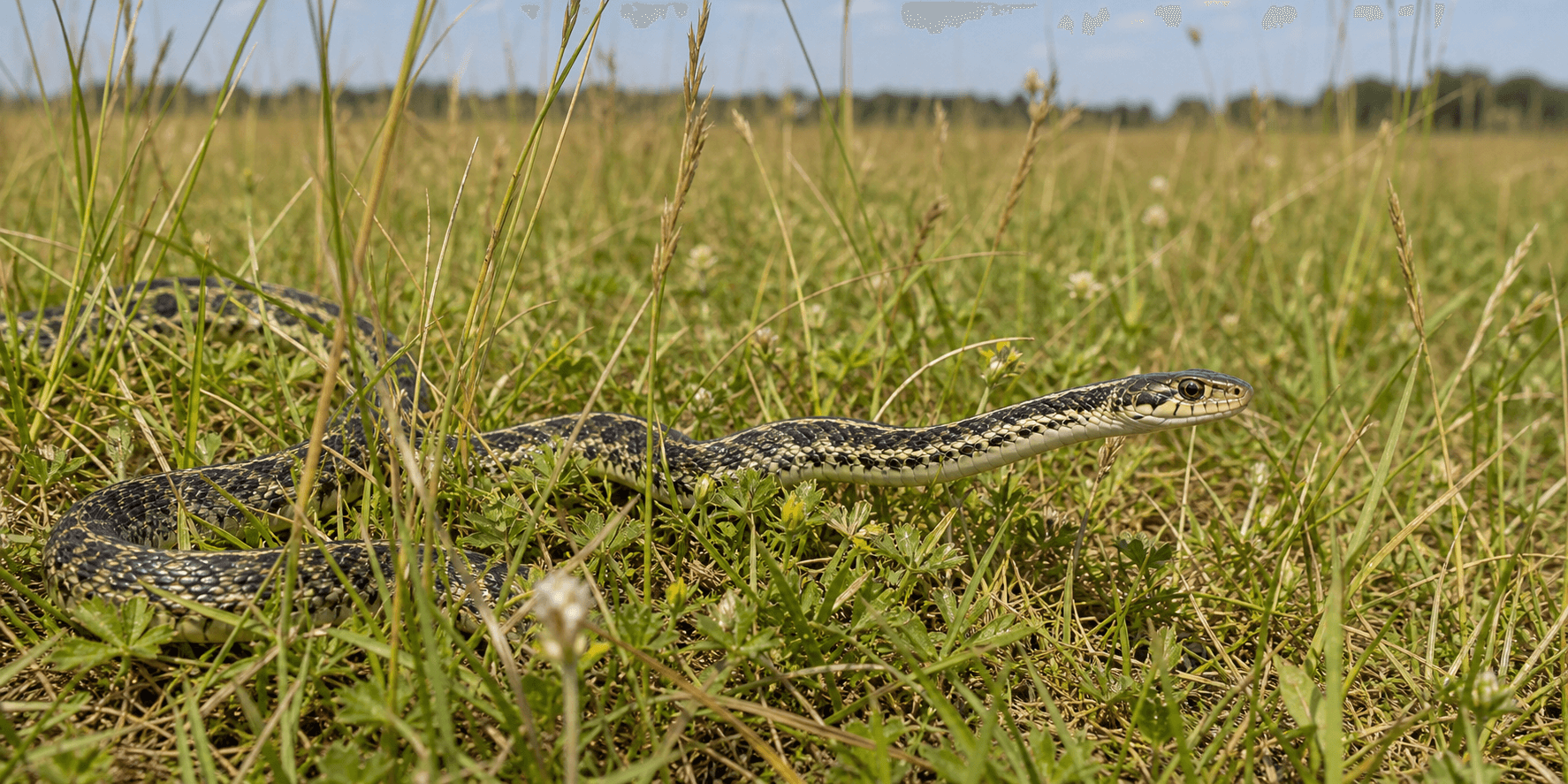
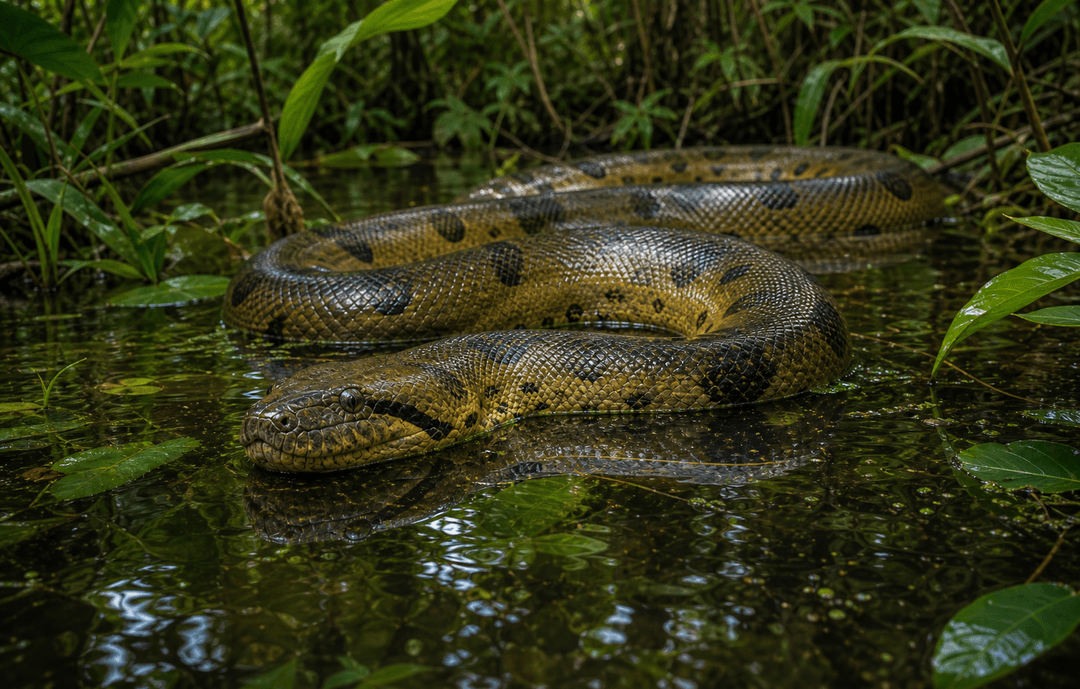
The Americas include rattlesnakes, coral snakes, boas, anacondas, garter snakes, and many nonvenomous species. The Amazon and Orinoco basins are famous for anacondas and many tropical snakes, while North American deserts and grasslands are strongly associated with rattlesnakes. Australia is well known for venomous snakes, but it also has pythons and many species that avoid people whenever possible.
Why Range Maps Are Simplified
A range map is a helpful learning tool, but it is not a live animal tracker. It may show that a species is known from a country, region, or habitat type, but it cannot tell you whether an individual snake is present in a specific yard, trail, field, or riverbank. Local conditions matter: water, prey, shelter, elevation, land use, and season can all affect whether snakes are likely to be active.
BeastAtlas uses broad educational range ideas to help readers compare animals and habitats. The goal is to make wildlife geography easier to understand, not to replace field guides, scientific surveys, or local wildlife advice. Presence Scores are simplified educational estimates. They are not exact population counts or safety guarantees.
Reality Note: Most Snakes Avoid People
Snakes are often feared because some species are venomous, move silently, or appear suddenly. Those fears are understandable, but they can also hide the bigger ecological story. Most snakes are not dangerous to humans, and many help control rodents and other small animals. Even venomous snakes usually prefer escape or warning displays over conflict.
For families and students, the most useful lesson is respect rather than panic. Do not handle wild snakes, give them space, and follow local guidance in places where venomous snakes live. Understanding where snakes live can make them less mysterious and help people see them as part of healthy ecosystems.
Related BeastAtlas Pages
Presence Scores are simplified educational estimates. They are not exact population counts or safety guarantees.