
Wildlife Guide
Where Do Tigers Live?
Explore the forests, grasslands, mangroves, and cold northern ranges that shape tiger habitat.
Back to guidesTigers Are Asian Big Cats
Wild tigers live in Asia. Their range once stretched across a huge area, but today wild tiger populations are much more fragmented. India holds a large share of the world's wild tigers, while other populations live in parts of Southeast Asia, Nepal, Bhutan, Bangladesh, and the Russian Far East. A small number of landscapes still support breeding tigers, but many historic tiger areas no longer do.
Tigers need space, prey, cover, and relatively secure habitat. They are solitary hunters, and each adult may use a large area depending on prey density and landscape conditions. Forests, tall grasslands, mangroves, and snowy northern woodlands can all support tigers when there is enough prey and protection.
Tiger Habitats
Forests, Grasslands, and Mangroves
Many tigers live in forests where vegetation helps them stalk deer, wild pigs, and other prey. In parts of India and Nepal, tigers also use tall grasslands and riverine habitats. The Sundarbans mangrove forest is one of the most unusual tiger habitats, shaped by tides, muddy channels, and dense mangrove cover.
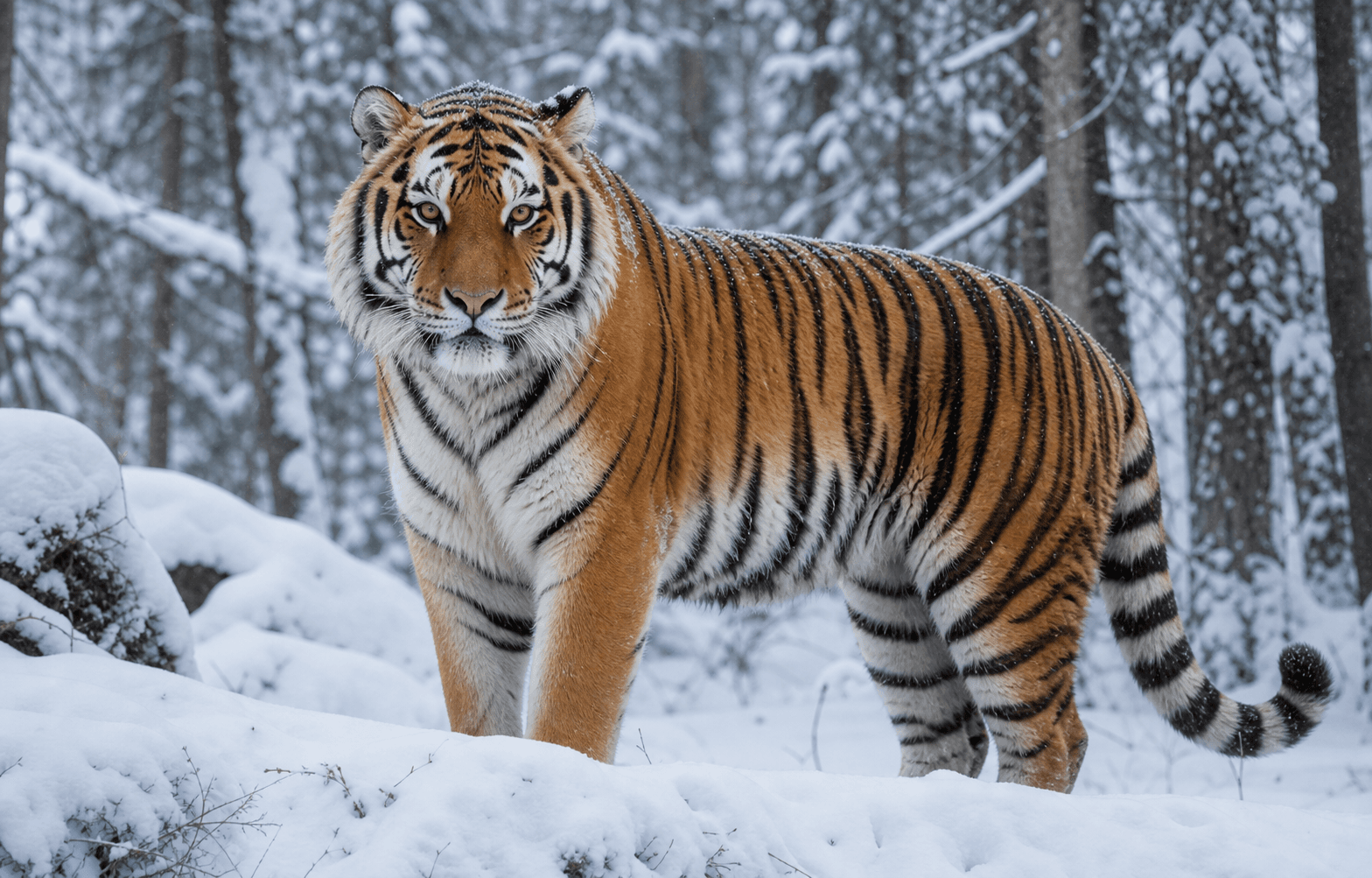
In the Russian Far East, Amur or Siberian tigers live in colder forests with snow, rugged terrain, and large prey. These tigers show how adaptable the species can be when habitat and prey are available. Tigers are not limited to one postcard habitat. They are big cats shaped by cover, prey, and space.
Forests and Grasslands
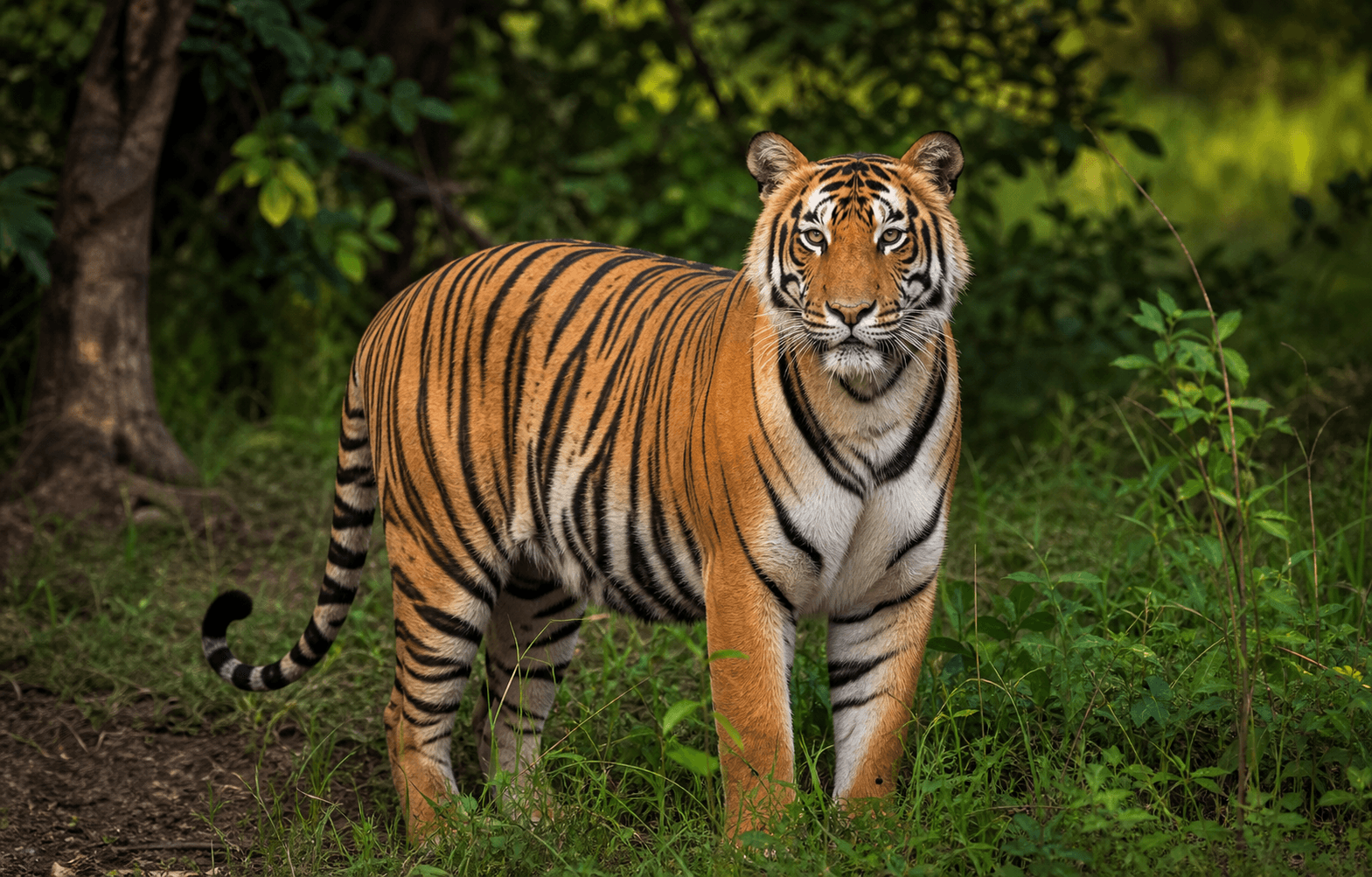
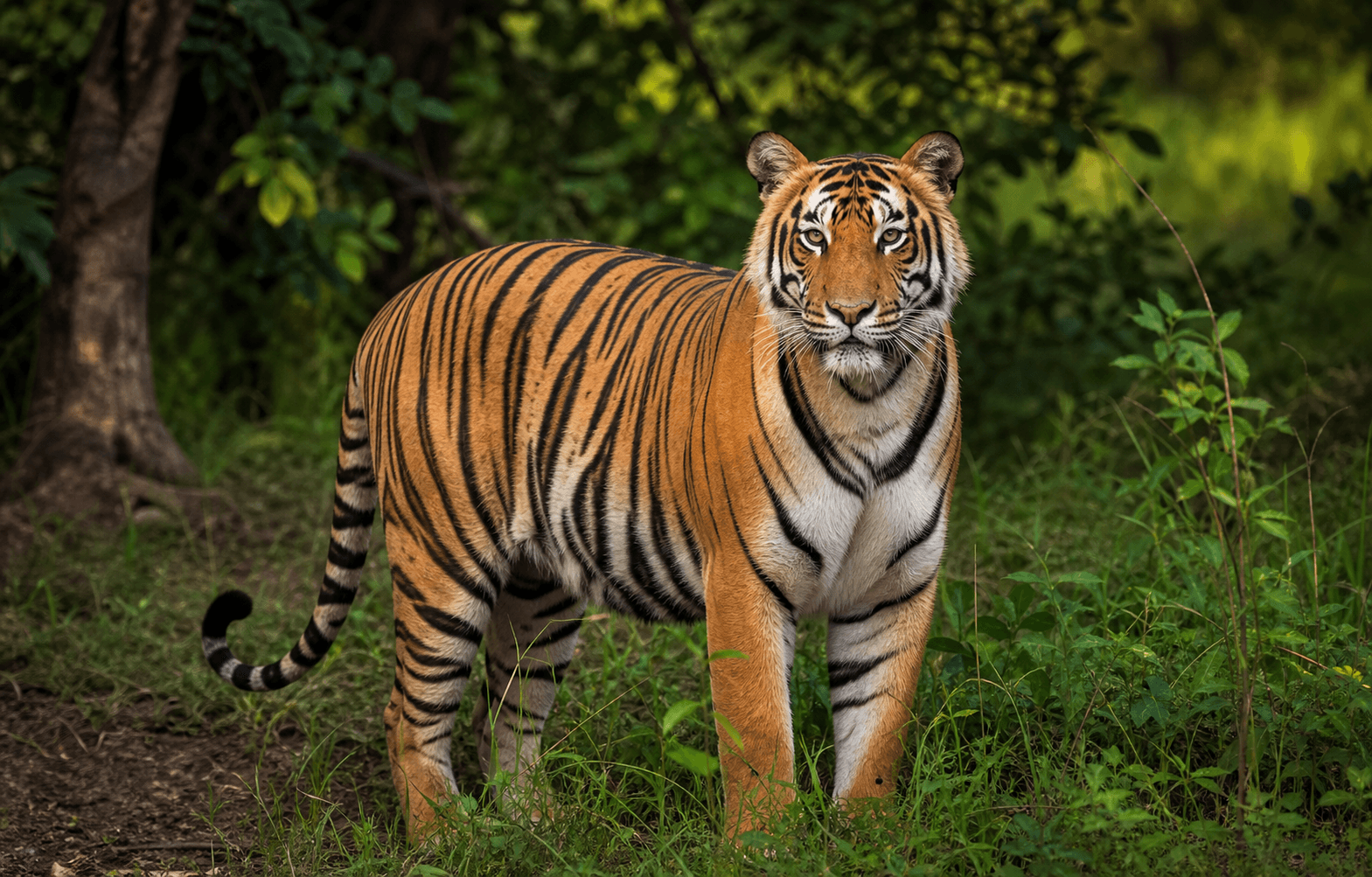
Bengal tigers are strongly linked with South Asian forests, grasslands, river edges, and mangrove systems where cover and prey overlap.
Cold Northern Forests
Siberian, or Amur, tigers use huge cold-region forest ranges in northeast Asia where quiet cover, snow, and large prey shape their movements.
Island Rainforests
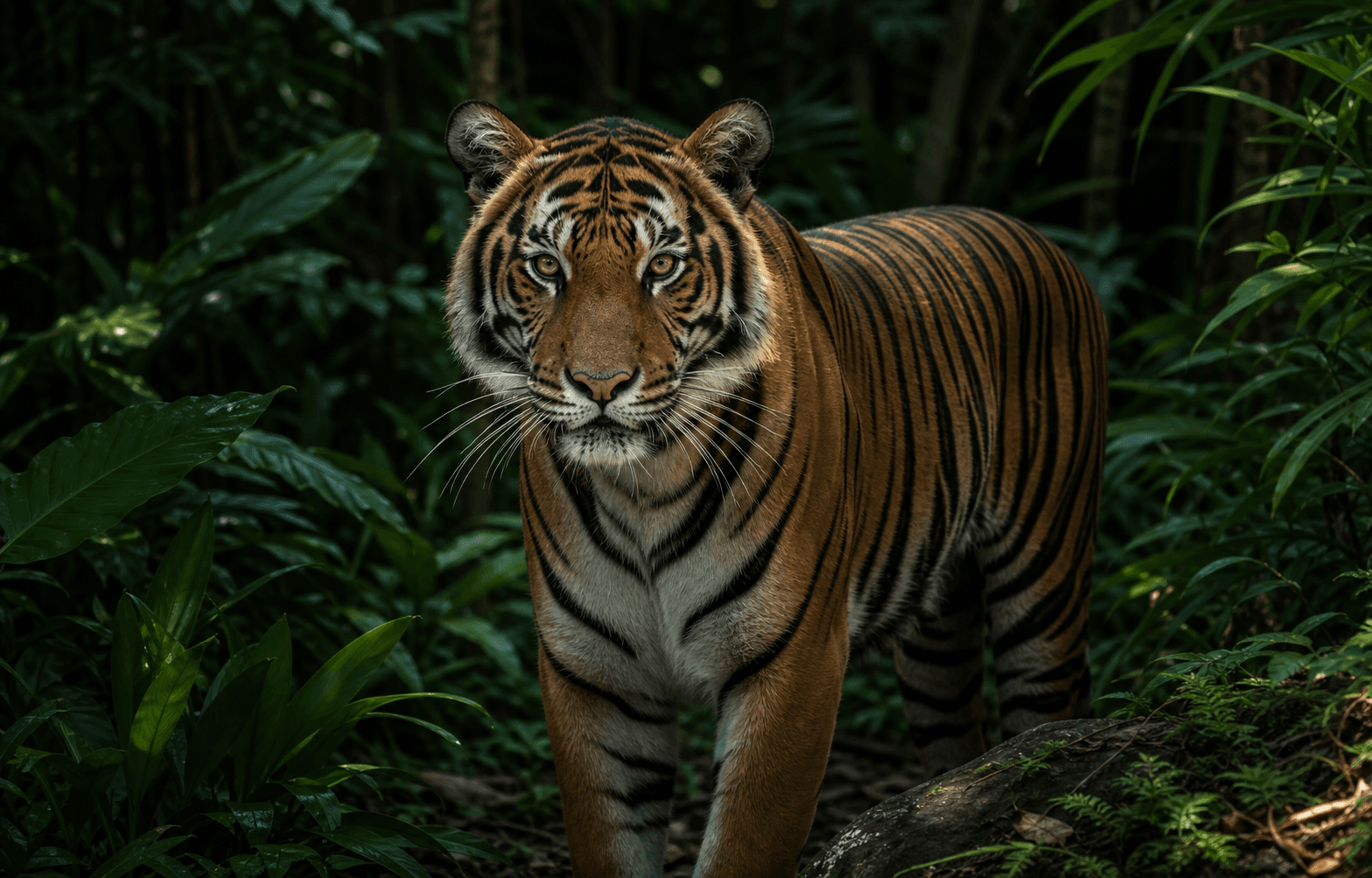
Sumatran tigers live in dense tropical forests, peatlands, and mountain forest pockets on Sumatra, where connected habitat is especially important.
Featured Species
Three Tigers With Different Habitat Stories
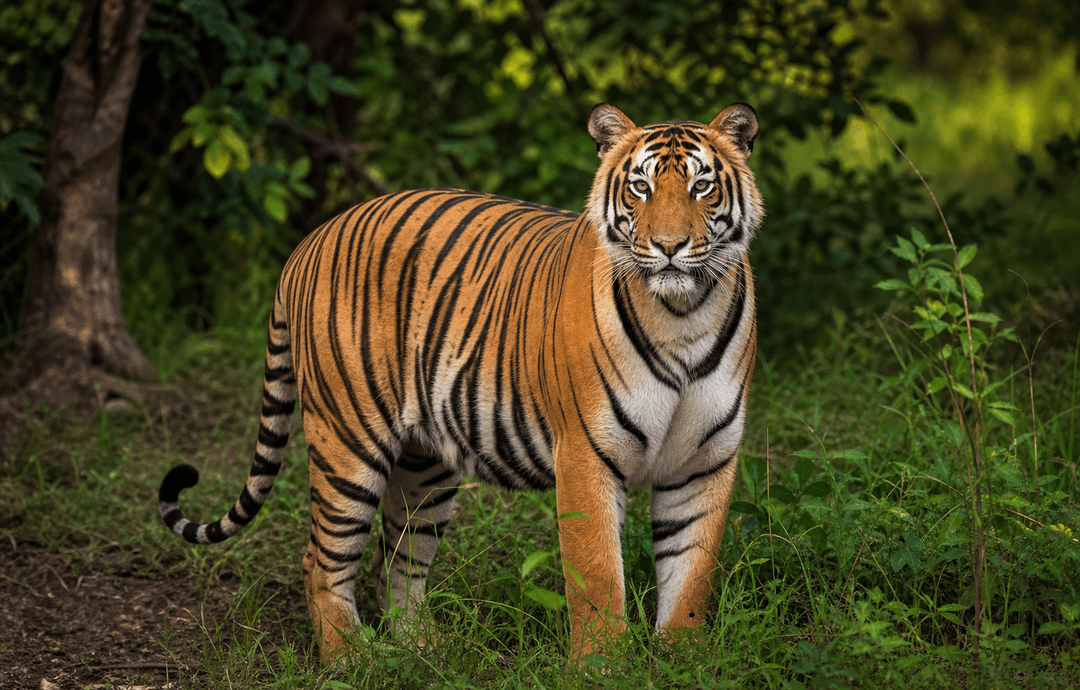
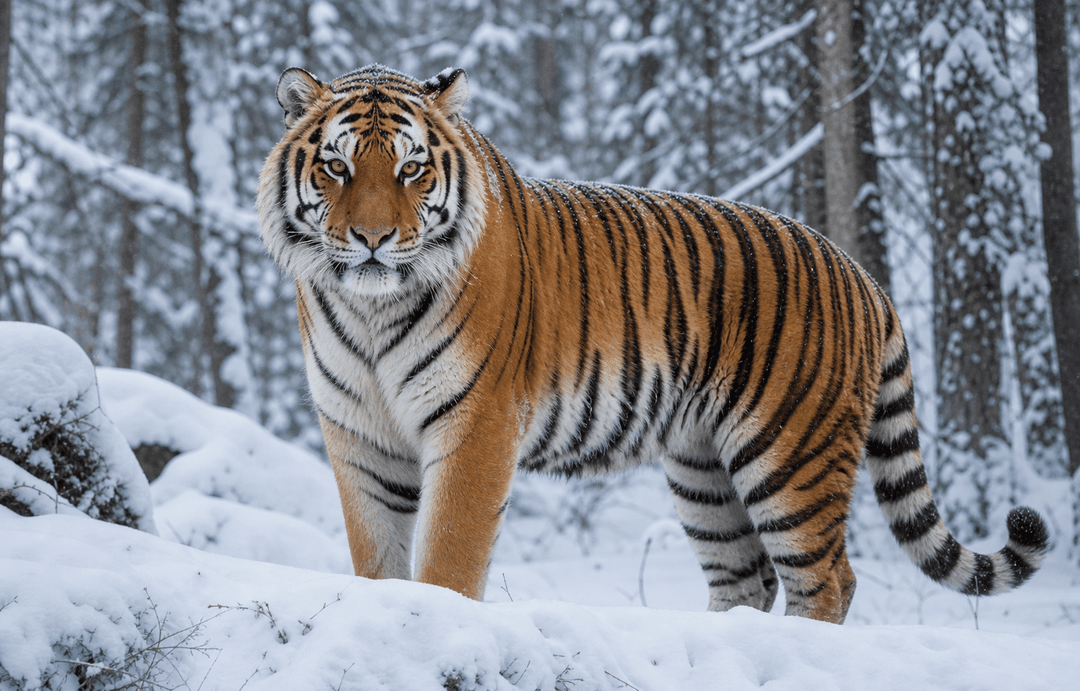
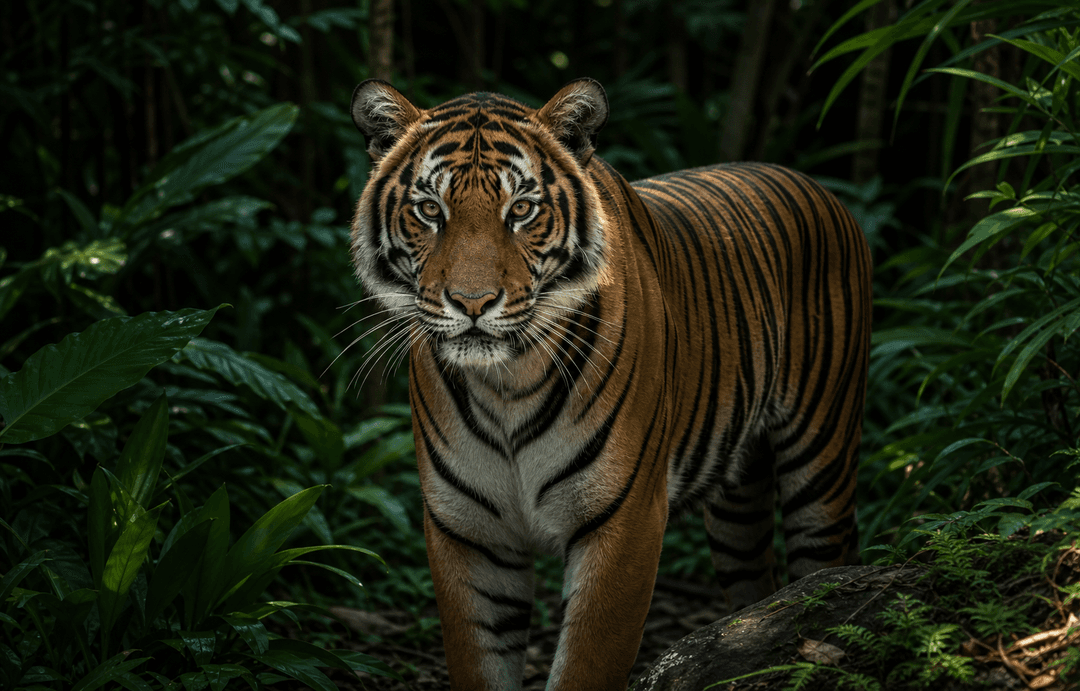
Regional Examples
Regional Examples
India is central to modern tiger conservation and includes famous tiger landscapes such as central Indian forests, the Western Ghats, the Terai Arc, and the Sundarbans. Nepal and Bhutan protect important mountain and foothill habitats. Bangladesh shares the Sundarbans mangrove ecosystem. Russia protects cold northern tiger habitat in the Far East.
Southeast Asia has historically supported tigers in countries such as Thailand, Myanmar, Malaysia, Indonesia, Laos, Cambodia, and Vietnam, but many populations have declined or disappeared from parts of their former range. This is why modern tiger maps often show scattered pockets rather than one continuous band.
Why Tiger Range Has Shrunk
Tiger range has shrunk because of habitat loss, prey decline, poaching, conflict with people, and fragmentation. Tigers need connected landscapes. When forests are broken into isolated patches, it becomes harder for young tigers to find territory and for populations to remain healthy.
Conservation work focuses on protecting habitat, reducing illegal hunting, improving prey populations, and helping communities live more safely near tiger landscapes. Tigers are powerful predators, but they are also endangered animals that depend on long-term protection.
Why Tigers Are Feared or Misunderstood
Tigers are feared because they are large, strong, quiet hunters. Their ability to move through cover and ambush prey makes them impressive and intimidating. Stories about tigers often focus on danger, but most wild tigers avoid people when they have secure habitat and natural prey.
Conflict can happen where people, livestock, and tiger habitat overlap. That does not make tigers evil or people careless. It shows why conservation is also a human planning challenge. Good habitat protection, local awareness, and community support all matter.
Practical Educational Context
Students can understand tiger range by asking three questions: Is there enough cover? Is there enough prey? Is the landscape protected enough for tigers to breed and move? If the answer to any of those questions is no, the habitat may not support a stable tiger population even if it once did.
Presence Scores are simplified educational estimates. They are not exact population counts or safety guarantees.
Reality Note
Tigers are symbols of wild power, but they are also vulnerable animals. Their future depends on protected habitats, prey recovery, anti-poaching work, and coexistence planning. Learning where tigers live is a first step toward understanding why conservation landscapes matter.
Presence Scores are simplified educational estimates. They are not exact population counts or safety guarantees.