
Wildlife Guide
Where Do Sharks Live?
Explore the ocean habitats that shape shark range, from reefs and coasts to open water.
Back to guidesSharks Live in Oceans Around the World
Sharks live in nearly every ocean, from tropical coral reefs to cold temperate waters and from shallow coastlines to the deep sea. Some species stay close to reefs or continental shelves, while others travel long distances through open water. A few sharks can enter brackish or freshwater areas for periods of time, but sharks are mainly ocean animals.
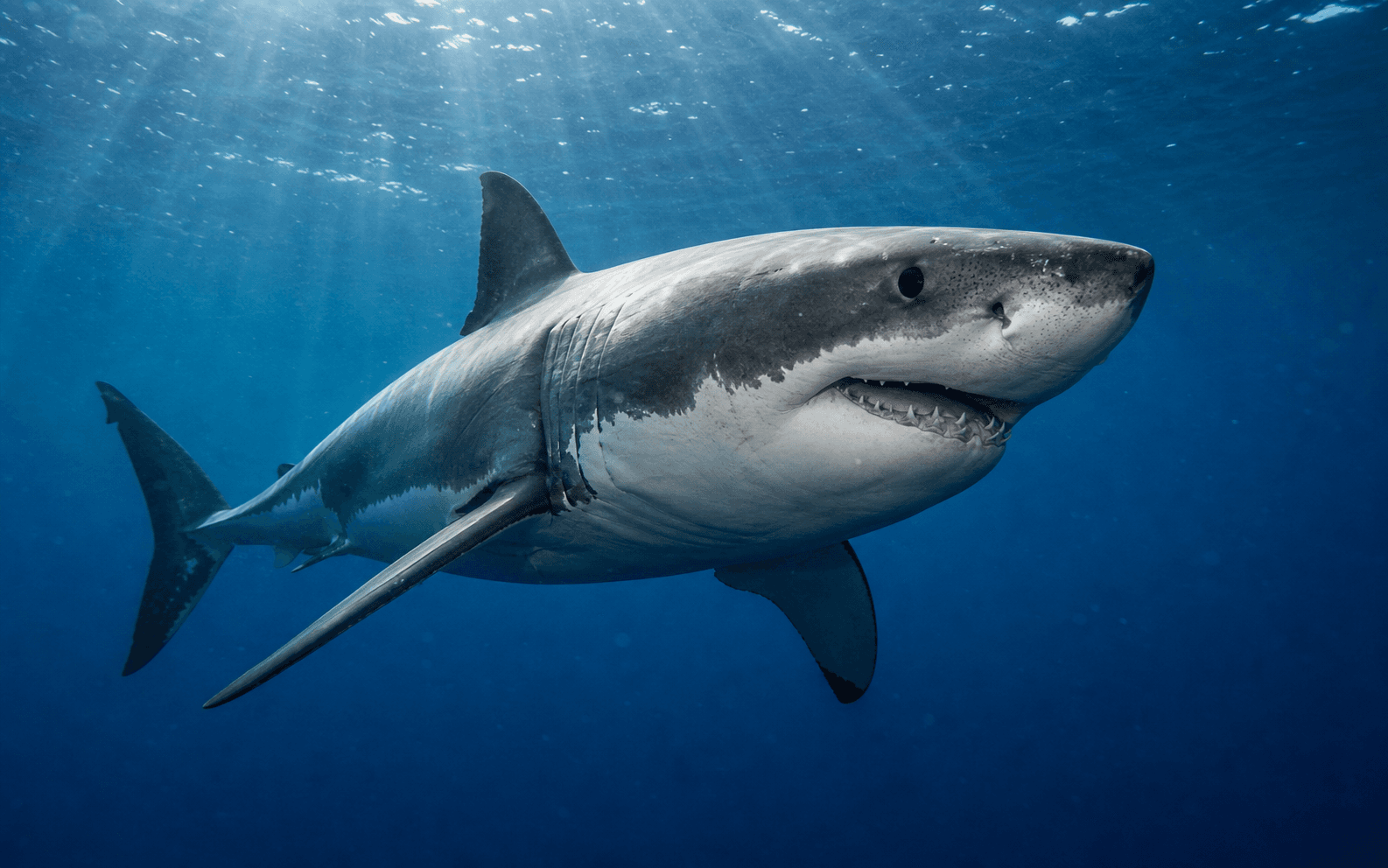
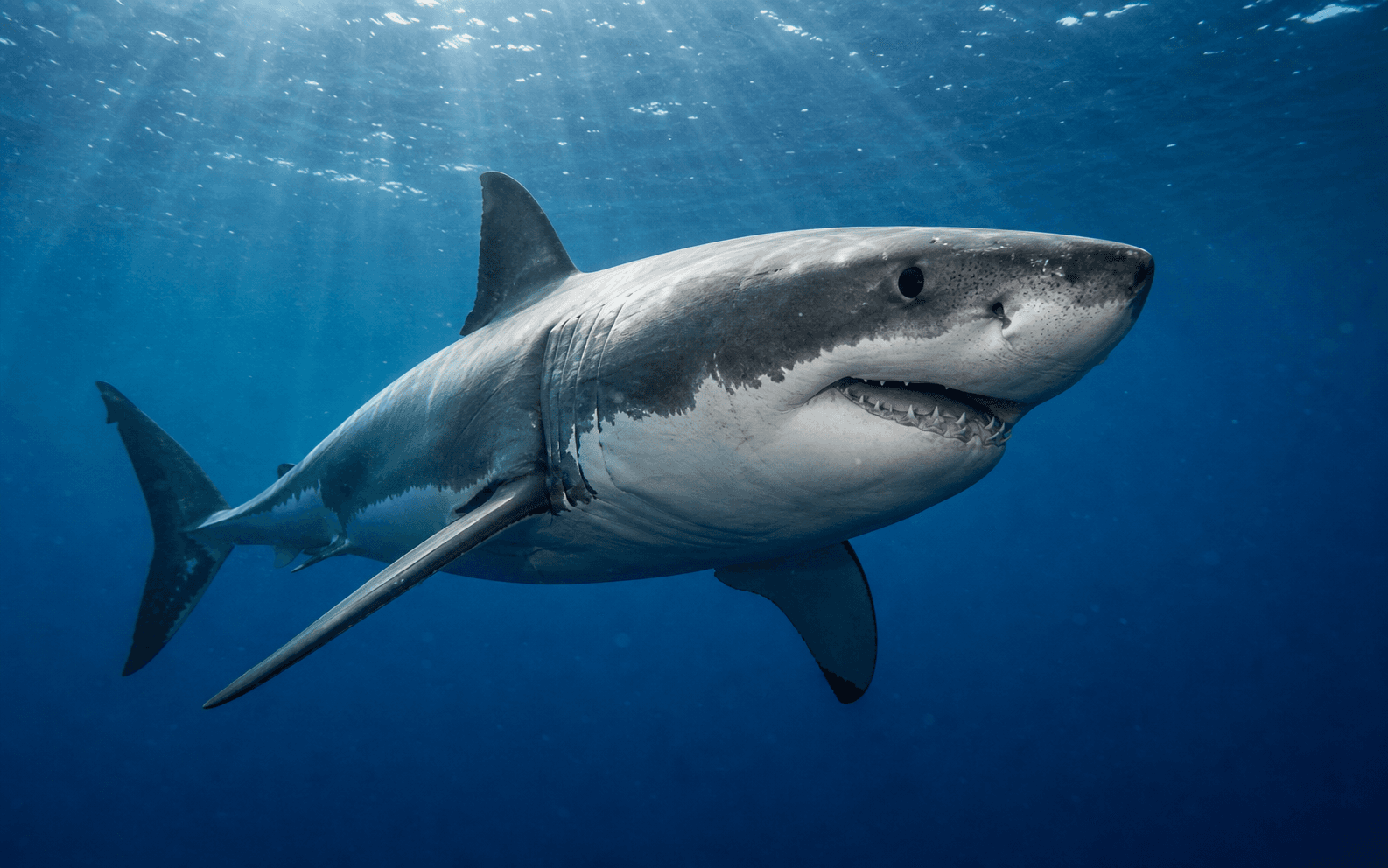
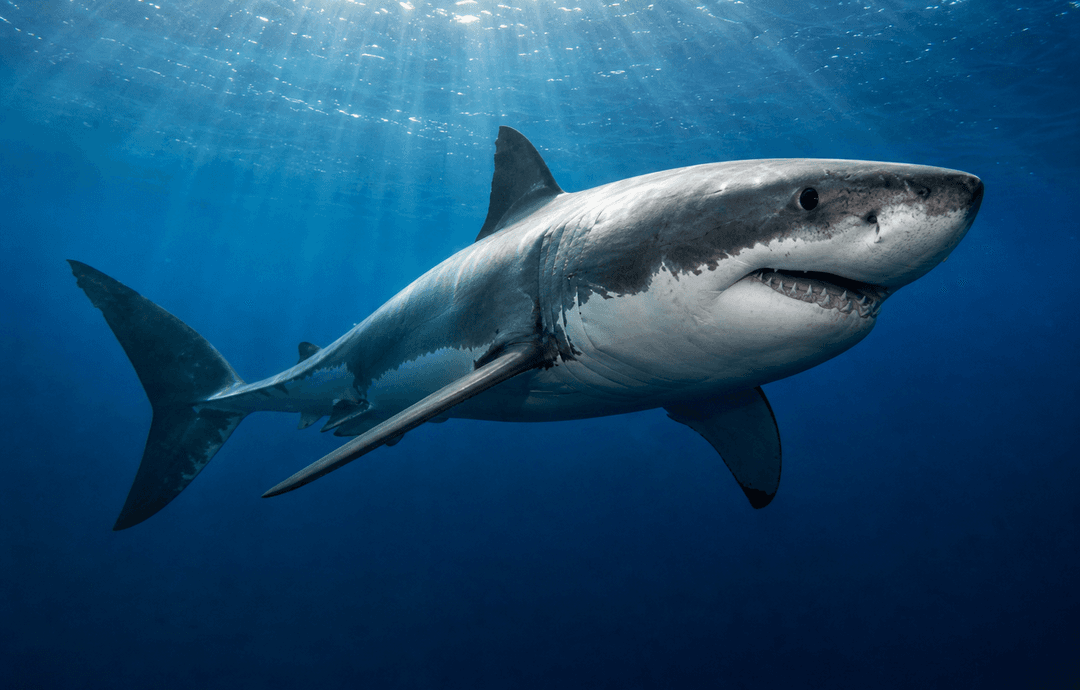
Because sharks are so diverse, asking where sharks live is a little like asking where birds live. The answer depends on the species. A reef shark may spend much of its life near coral and lagoon systems. A great white may travel along productive coastlines where seals, fish, and other prey are common. A whale shark may follow plankton blooms across warm seas.
Ocean Habitats
Coastal Waters, Reefs, and Open Ocean
Coastal waters are important for many sharks because they offer food, nursery areas, and migration routes. Young sharks may use bays, mangroves, estuaries, or shallow areas where large predators are less common. Reefs support sharks by concentrating fish and providing structure. Open-ocean sharks must cover large areas to find food, mates, and favorable temperatures.
Water temperature, oxygen, prey, depth, and season all shape shark range. Some species move north or south as water warms and cools. Others dive deep during the day and rise at night. A map can show broad hotspots, but sharks are mobile animals, and their presence can change with seasons and food availability.
Coastal Waters
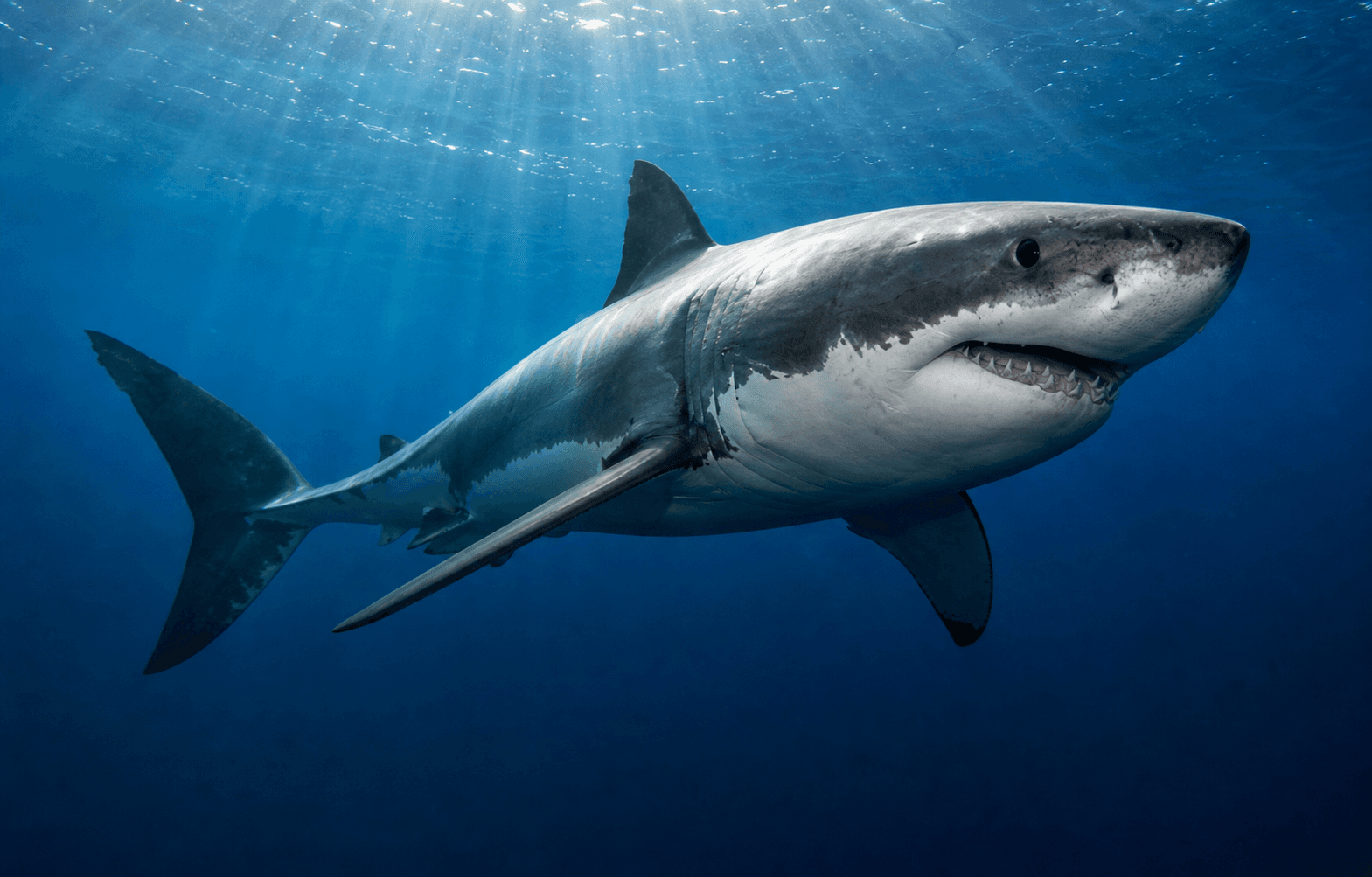
Many sharks use coastlines, islands, and continental shelves where prey, currents, and nursery areas can overlap. Productive coasts are especially important for some large species.
Reefs and Island Systems
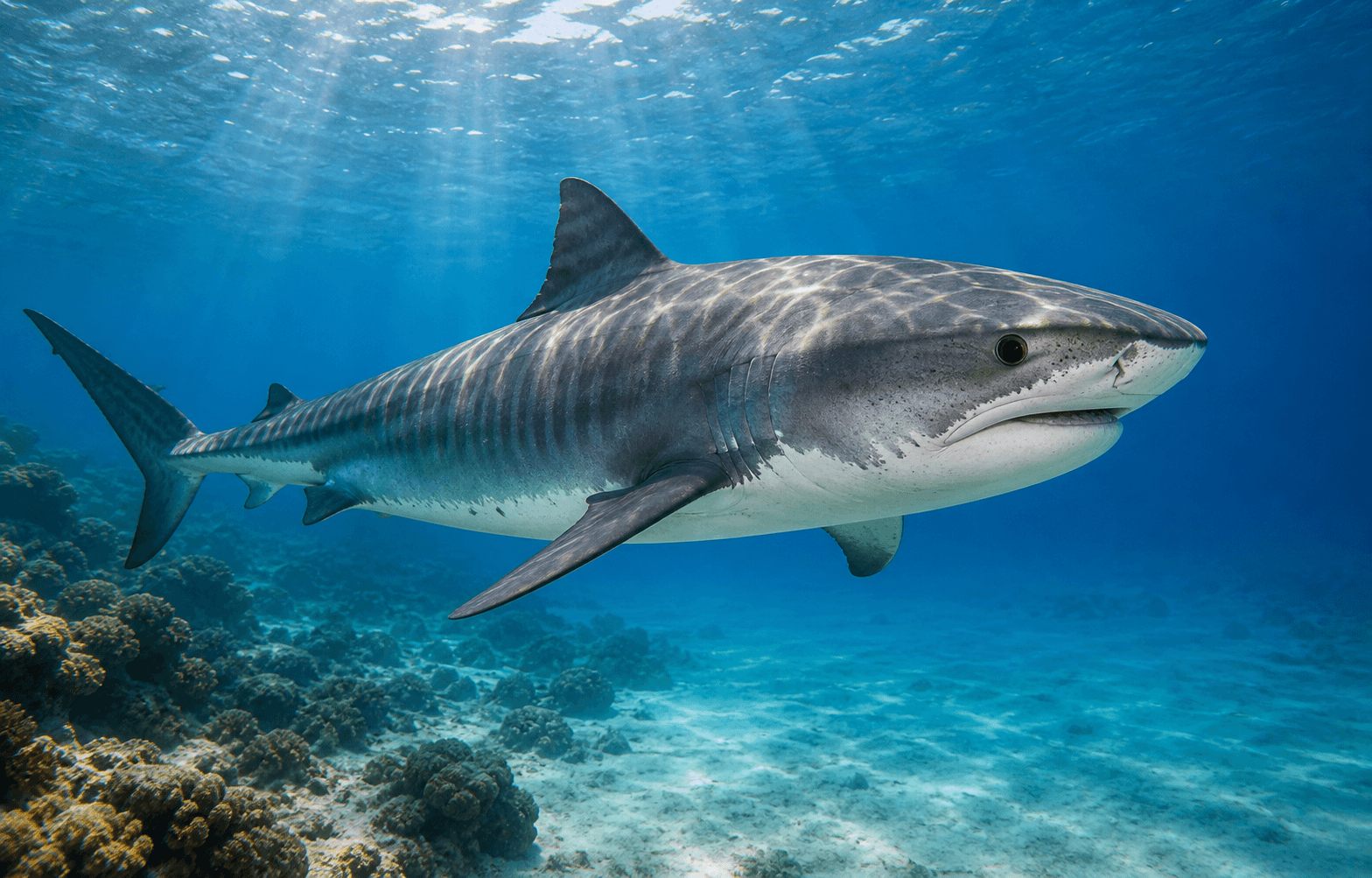
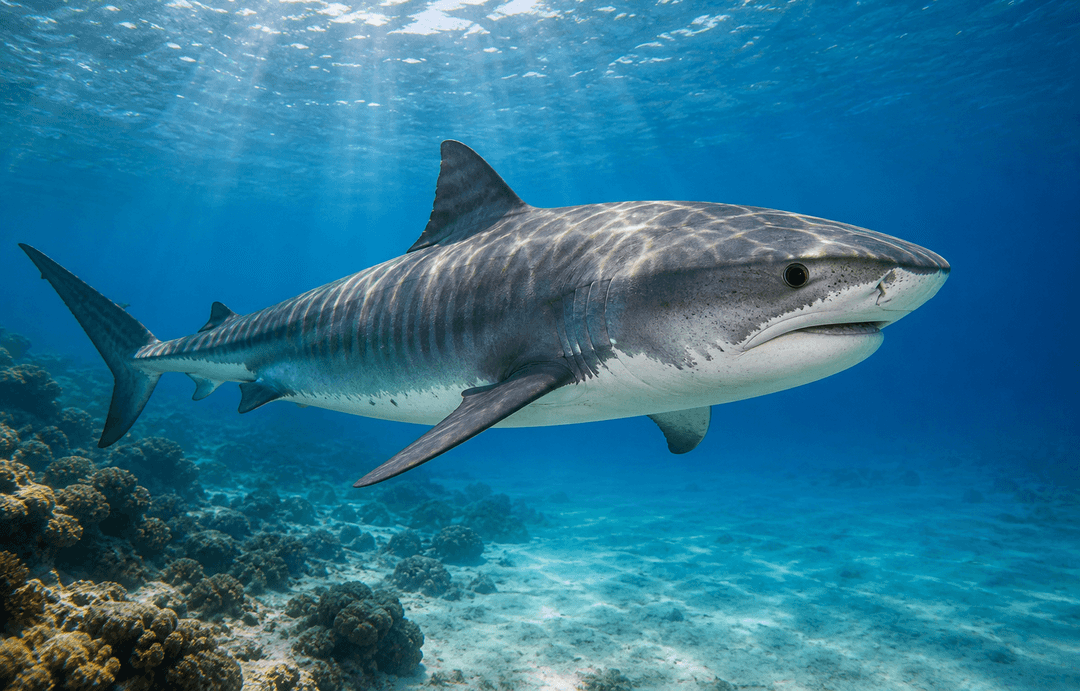
Warm reefs, lagoons, and island chains can concentrate fish, rays, turtles, and scavenging opportunities. Tiger sharks are a good example of an adaptable warm-water shark.
Estuaries and River Mouths
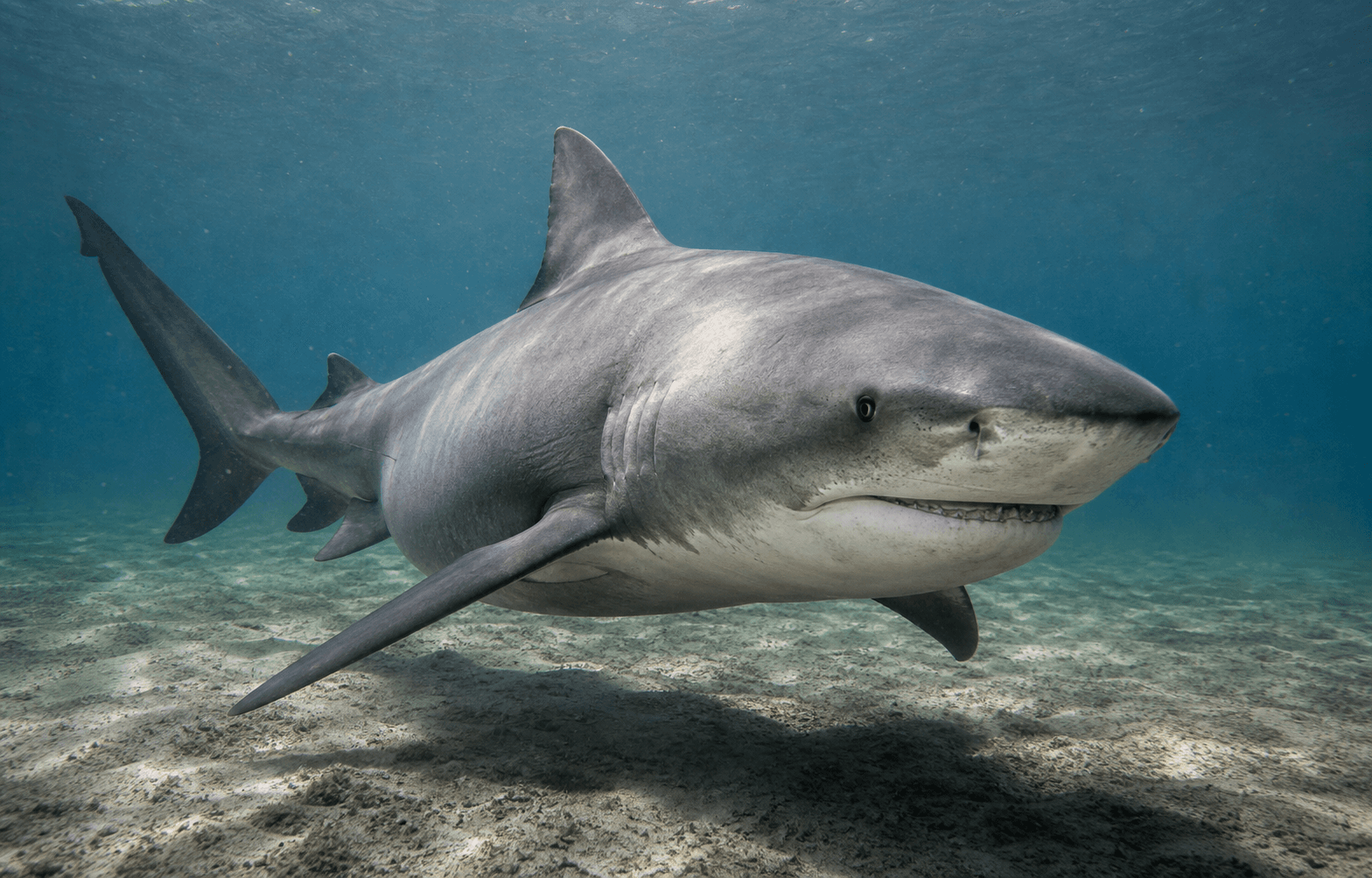
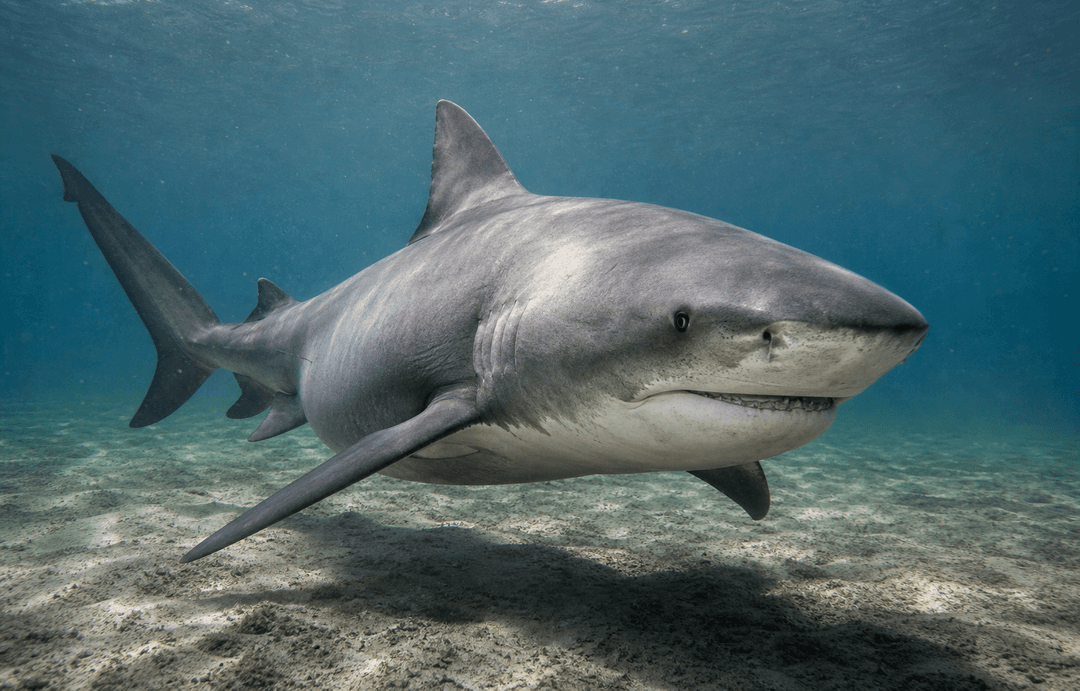
Some sharks use cloudy coastal shallows, estuaries, and river-influenced water. Bull sharks are famous for tolerating lower salinity better than most sharks.
Open Ocean Movement
Sharks can also travel through open water following food, temperature, and seasonal patterns. Broad range maps are useful for learning, but ocean conditions change constantly.
Regional Examples
Regional Examples
Eastern Australia, South Africa, California, Florida, the Caribbean, the Pacific islands, and parts of the Indian Ocean are all famous for different shark species. Great whites are linked with cool productive coasts, tiger sharks with warm seas and island systems, bull sharks with coastal and river-influenced waters, and hammerheads with tropical and subtropical regions.
These examples do not mean sharks are evenly spread across every beach in those regions. Habitat details matter. Water clarity, prey movements, tides, fishing activity, and seasons all influence where sharks may be more likely to appear. Local beach information is always more useful for day-to-day decisions than a broad global range guide.
Featured Species
Three Sharks With Different Habitat Stories
Fear vs Context
Why Sharks Are Feared
Sharks are feared because they are large predators, live in an environment humans cannot easily see through, and have been portrayed dramatically in movies and headlines. The idea of an unseen animal in deep water can feel unsettling. Some sharks also have powerful bites and are capable hunters, so respect is appropriate.
But fear can easily become misunderstanding. Most shark species are not a threat to people. Many are small, shy, deep-water, or specialized feeders. Even large sharks are not roaming the ocean looking for humans. Shark incidents are rare compared with the number of people who enter the ocean every year.
Practical Educational Context
For families, the best shark lesson is ocean awareness. Sharks are part of marine ecosystems, and their presence often reflects a living ocean with food webs and migration patterns. People should follow local beach warnings, avoid swimming near active fishing, and respect conditions set by lifeguards or wildlife authorities.
BeastAtlas does not provide real-time shark tracking or beach safety instructions. It explains broad habitat and range patterns for learning. Presence Scores are simplified educational estimates. They are not exact population counts or safety guarantees.
Conservation Reality
Many shark species face pressure from overfishing, bycatch, finning, habitat loss, and slow reproduction. Large sharks may take years to mature and have relatively few young, so populations can be slow to recover. A healthy ocean needs predators and scavengers, including sharks, to keep ecosystems balanced.
Seeing sharks only as threats misses their importance. They are ancient, diverse, and often vulnerable animals. Learning where sharks live can help readers understand both caution and conservation.
Reality Note
The ocean is the shark's home, and people are visitors. The safest and most respectful mindset is to learn local conditions, follow posted guidance, and understand sharks as wildlife rather than monsters.
Related BeastAtlas Pages
Presence Scores are simplified educational estimates. They are not exact population counts or safety guarantees.