
Country Wildlife Guide
Dangerous Animals in Australia
A family-friendly look at famous Australian wildlife, the habitats behind each reputation, and why local context matters more than fear.
Back to guidesWhy Australia Has Such a Fearsome Wildlife Reputation
Australia is famous for dangerous animals because it has several headline-grabbing groups in one country: venomous snakes, large crocodiles, ocean predators, venomous spiders, jellyfish, and marine animals that require respect. That reputation is partly deserved, because some Australian wildlife can be dangerous at close range. It is also often exaggerated, because most wildlife does not spend its time looking for people.
A family-friendly way to understand Australian wildlife is to start with habitat. A snake in dry grassland, a crocodile in a northern river, a shark along a productive coastline, and a jellyfish in warm tropical water are not the same kind of risk. They live in different places, respond to different conditions, and are best understood through local environment rather than fear alone.
Animal Groups
Australian Animals Featured in This Guide
Habitat Context
Different Habitats, Different Wildlife Stories
Dry Inland, Farms, and Scrub
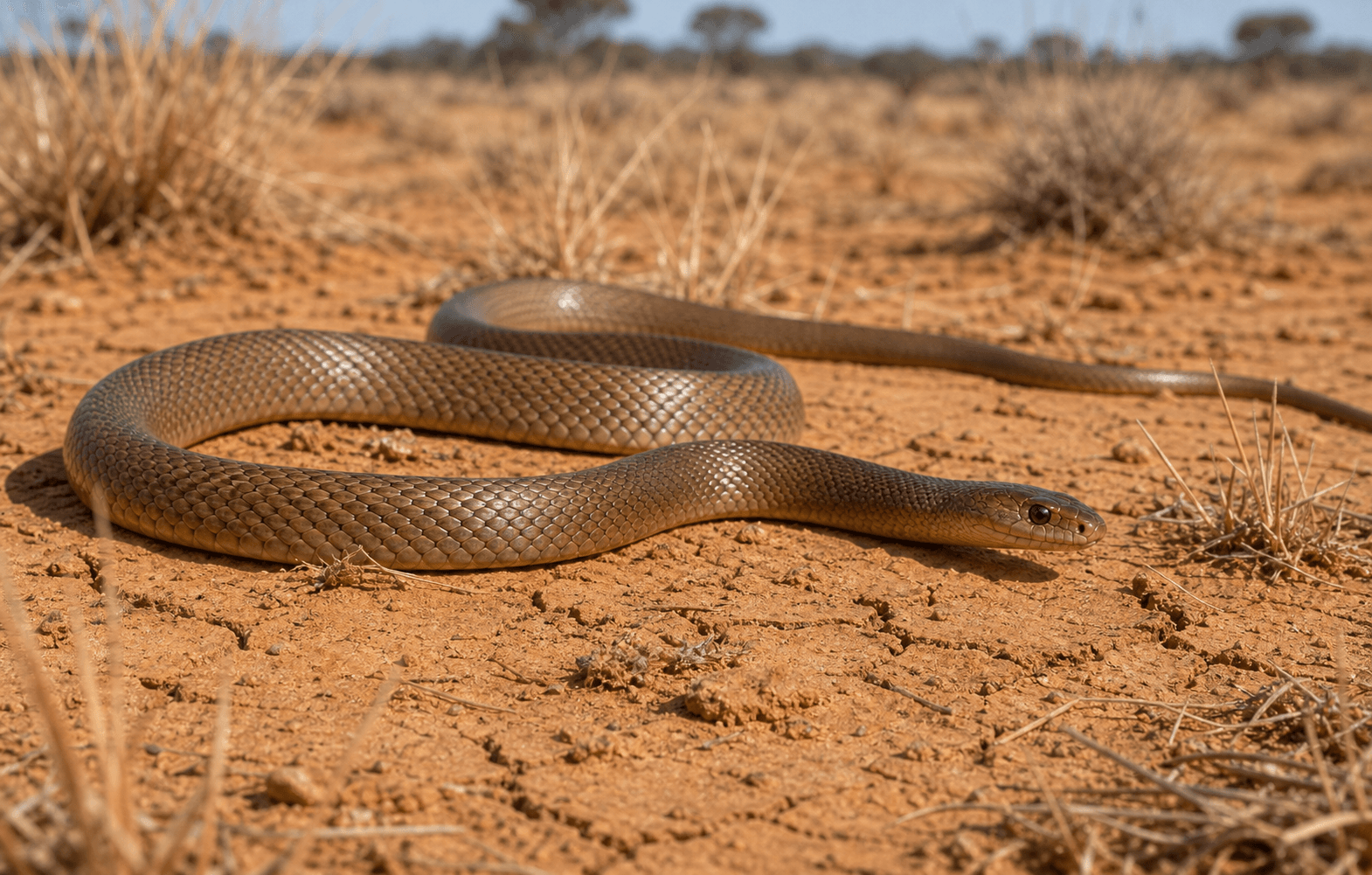
Some Australian snake stories are tied to dry inland regions, grass, farms, shelter, and prey. Habitat context matters more than treating every snake sighting as a dramatic event.
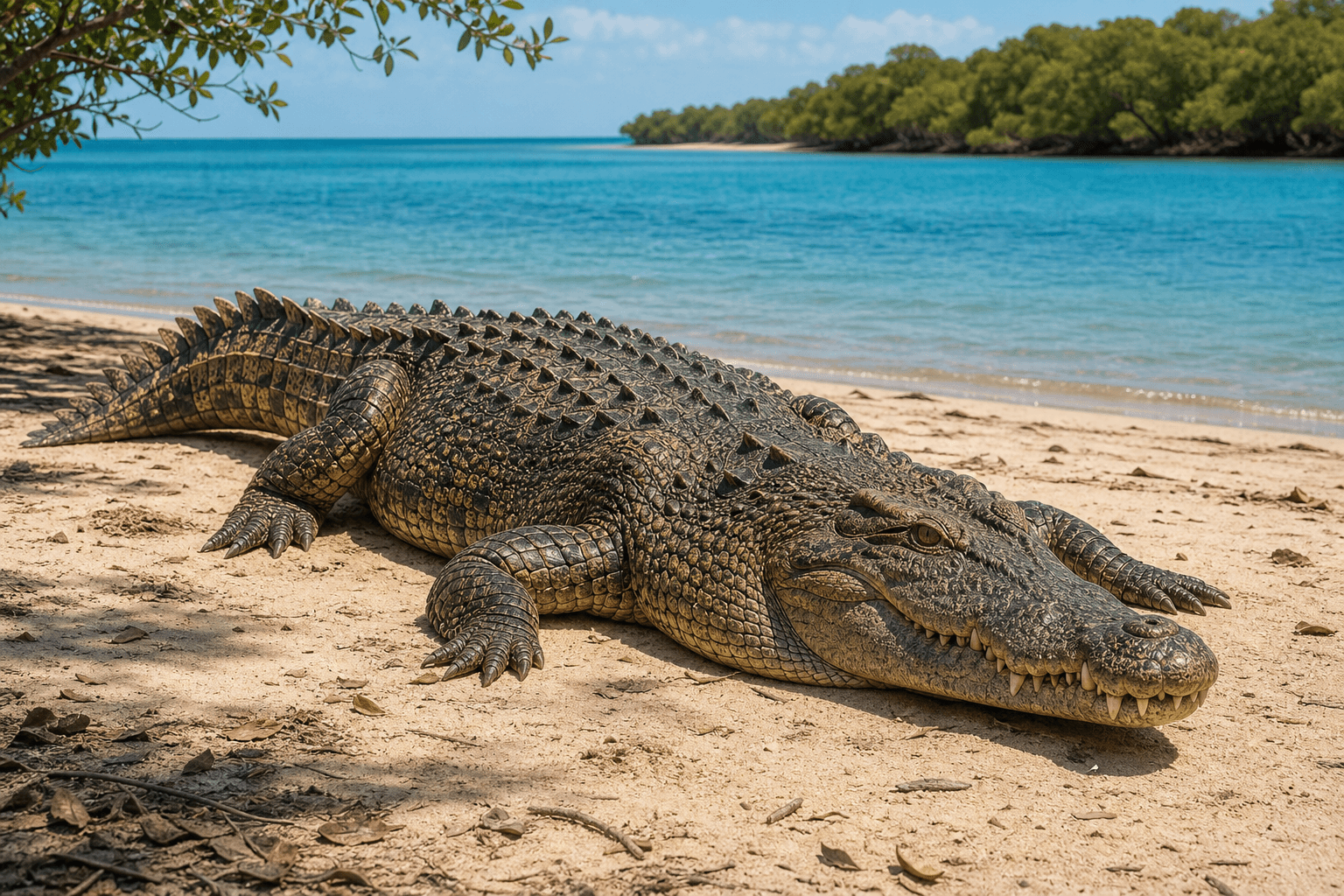
Northern Rivers and Coastal Wetlands
Northern crocodile country includes rivers, floodplains, mangroves, billabongs, estuaries, and coastal waterways where local signs and guidance matter most.
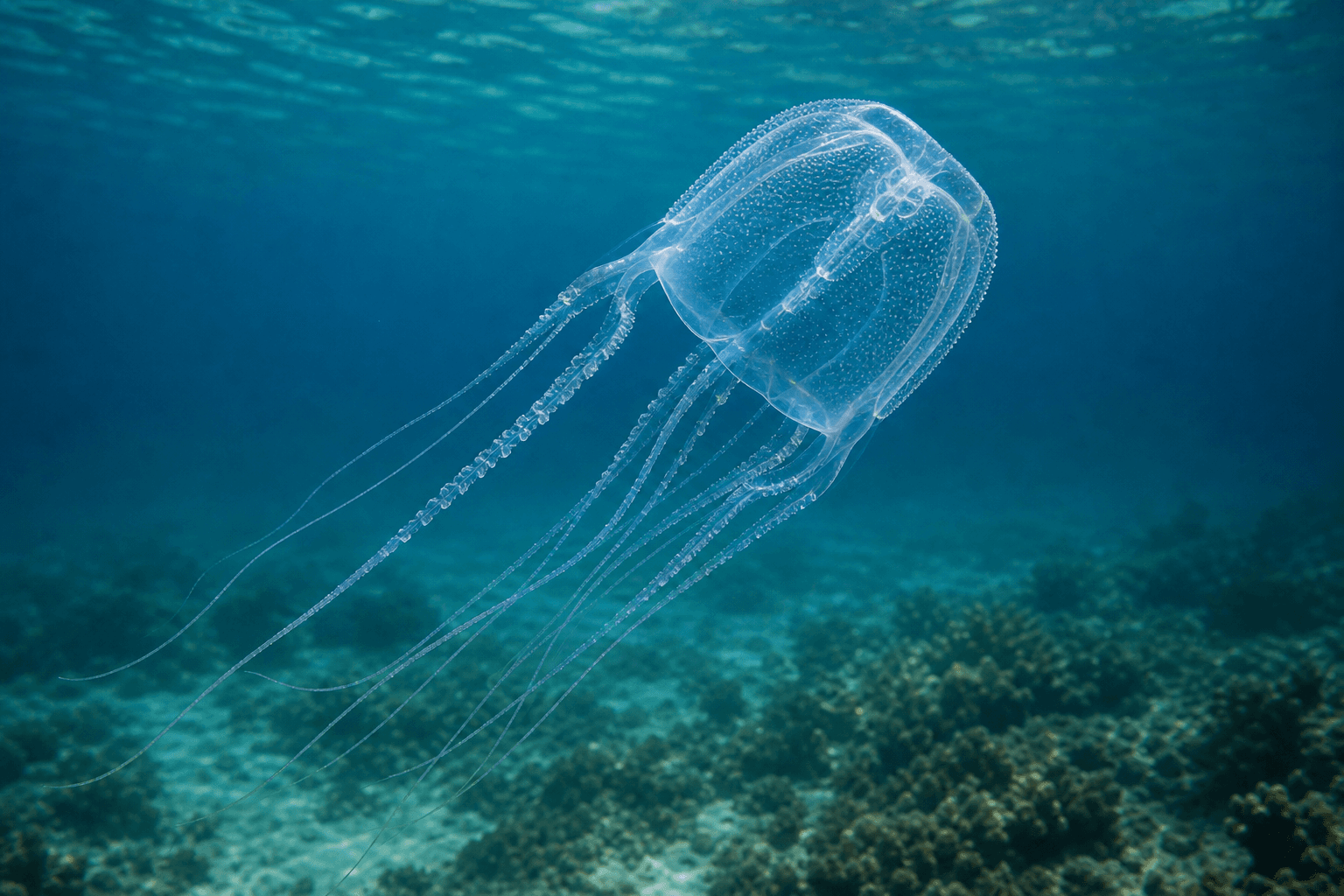
Reefs, Beaches, and Tropical Water
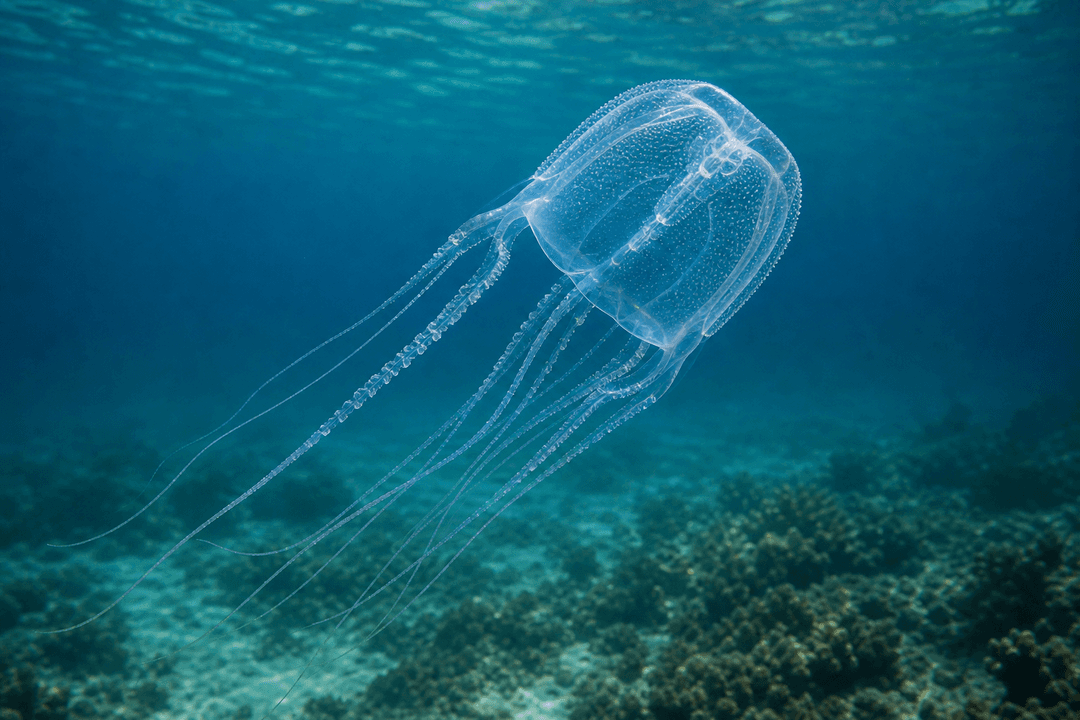
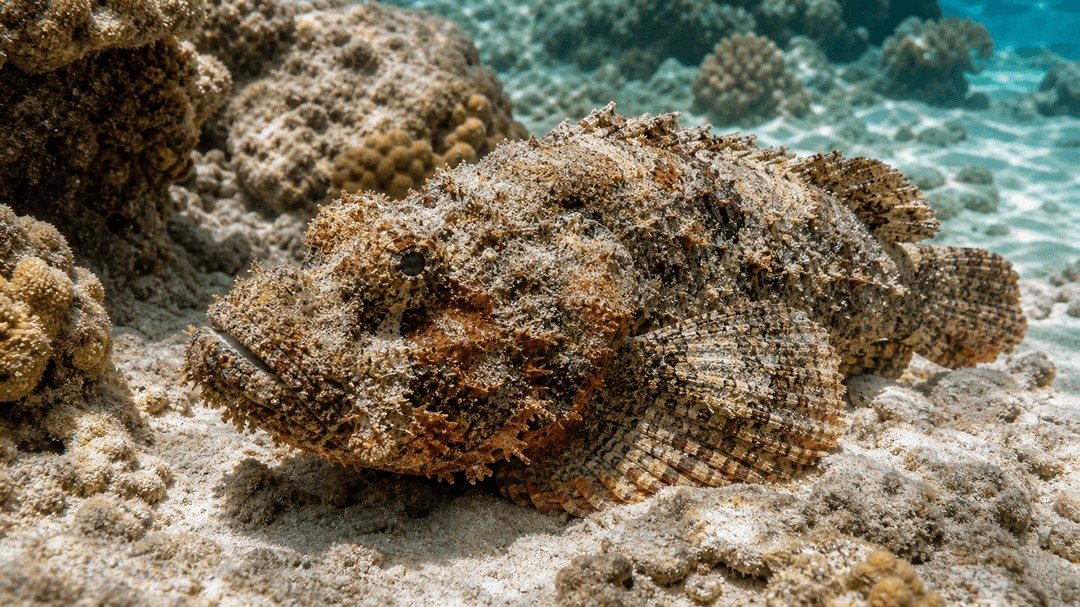
Marine risk is not one thing. Sharks, jellyfish, stonefish, cone snails, and blue-ringed octopuses are linked with different coastal and reef habitats.
Group Guide
Snakes, Crocodiles, Sharks, and Smaller Animals
Australian Snakes and Their Habitats
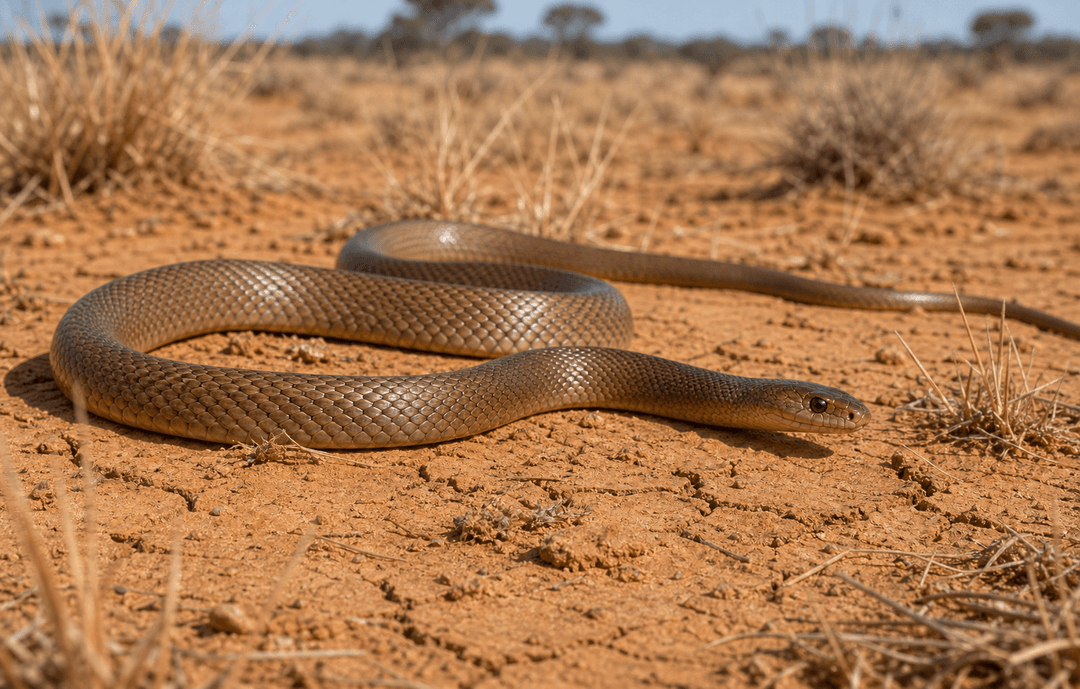
Australia has many snake species, including some well-known venomous snakes. Broadly, snakes may use forests, grasslands, deserts, wetlands, farms, coastal scrub, and suburban edges where shelter and prey are available. Warm temperatures allow reptiles to be active for long seasons in many regions, although activity still changes with weather, time of day, and season.
It is important not to treat every snake sighting as a dramatic event. Many snakes avoid people and prefer escape when given space. They may appear near homes or farms when rodents, water, shade, or cover are present. BeastAtlas readers can compare this with the general guide to where snakes live, which explains why range maps are broad learning tools rather than exact local warnings.
Crocodiles in Northern Australia
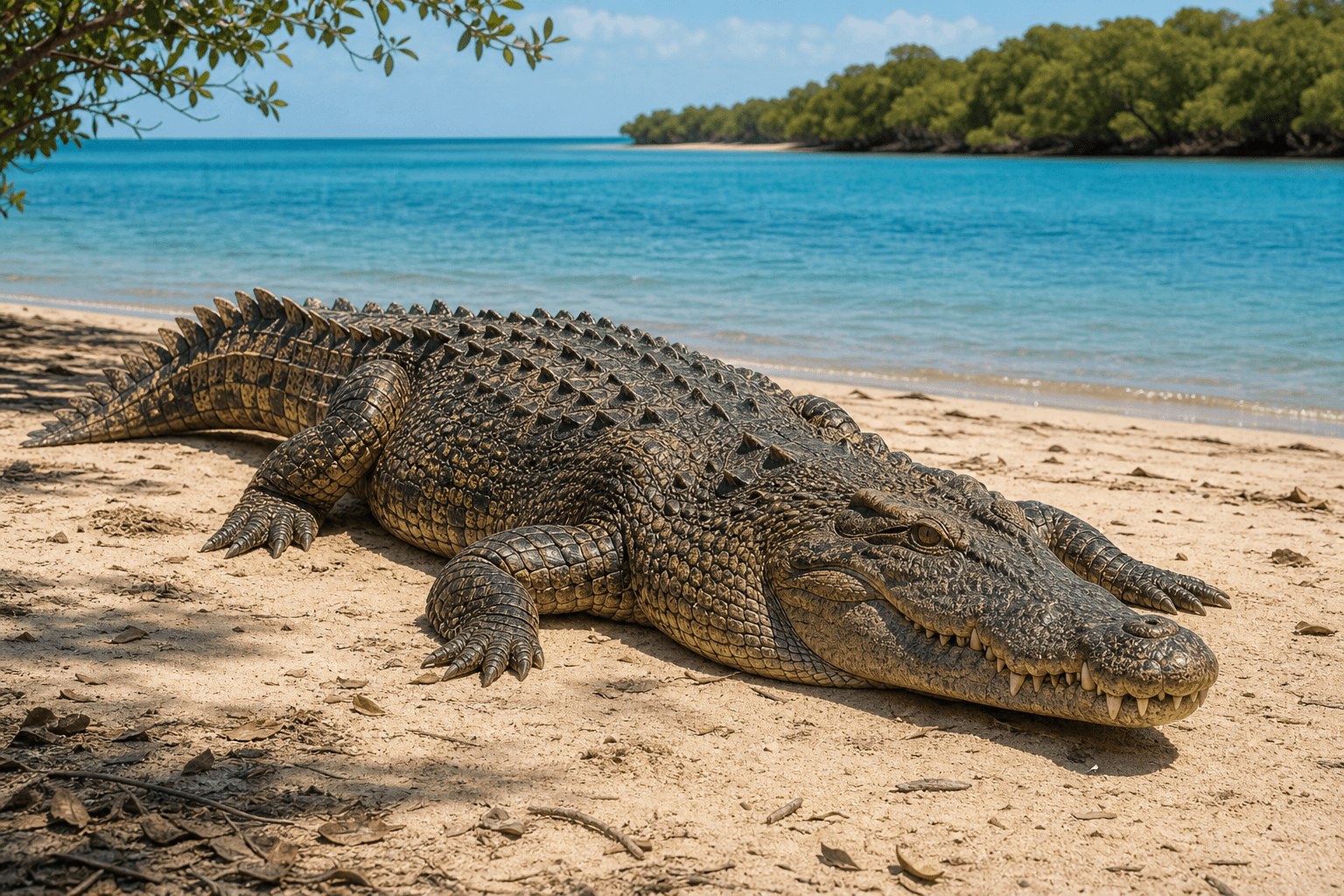
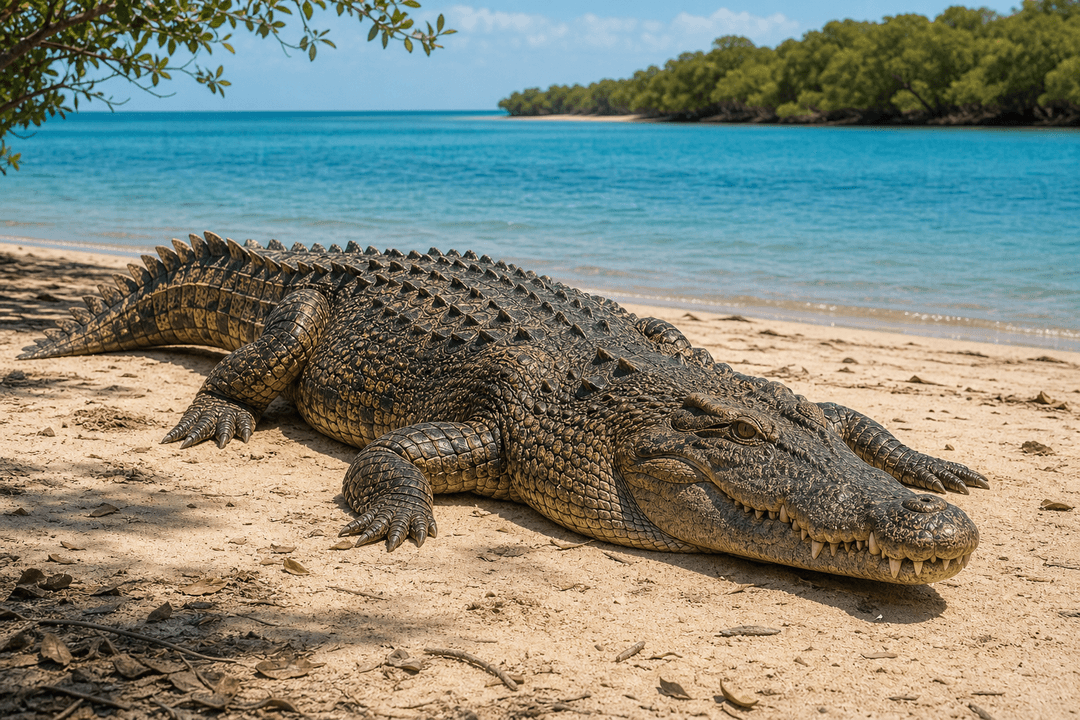
Australia's crocodile story is strongly regional. Saltwater crocodiles are associated with northern Australia, including rivers, floodplains, mangroves, estuaries, billabongs, and coastal waterways. They can use both freshwater and saltwater-influenced habitats, which is one reason northern water systems are treated with serious caution by local authorities.
Crocodile habitat is not random. These animals rely on warm water, prey, nesting areas, and places where they can rest or ambush. A broad map can show northern crocodile country, but it cannot tell someone whether a particular bank, boat ramp, swimming hole, or creek is safe. BeastAtlas does not provide safety guarantees; local signs and wildlife authorities matter most.
Sharks Around Australian Coasts
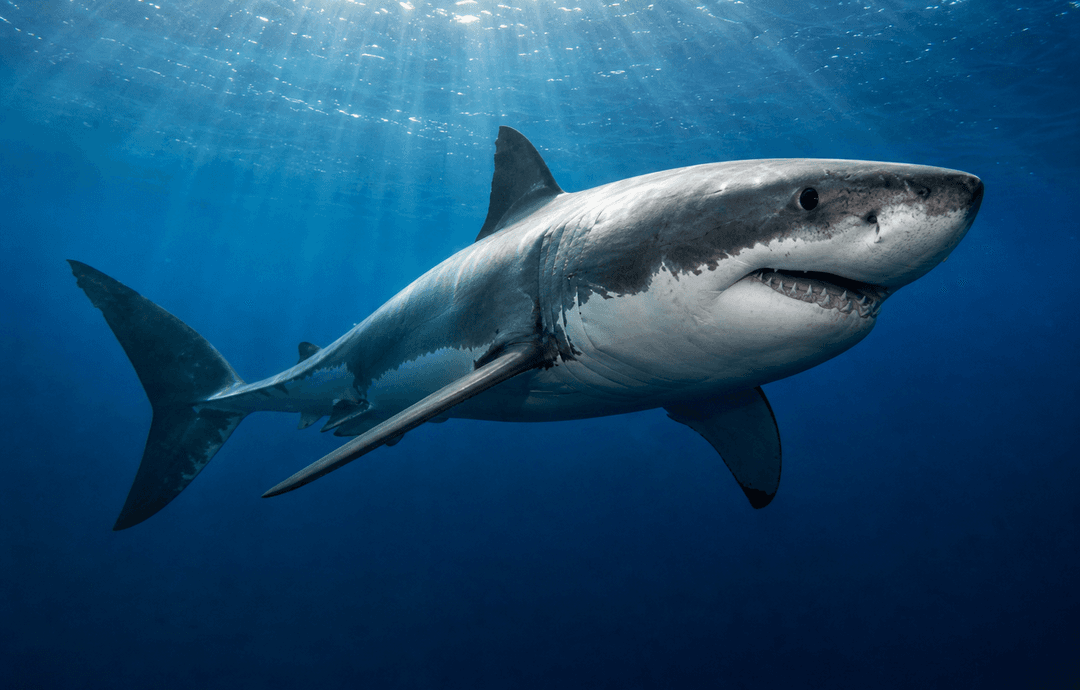
Australia is surrounded by ocean, so sharks are part of the national wildlife story. Different species use different habitats: reefs, continental shelves, beaches, estuaries, offshore waters, and migration routes. Great whites are often linked with cooler productive southern waters, tiger sharks with warmer marine systems, and bull sharks with coastal and river-influenced areas.
Sharks are powerful predators, but they are also important marine animals. Most shark species are not a threat to people, and even large species are not simply patrolling for humans. Ocean risk depends on local conditions such as water visibility, prey movement, fishing activity, weather, and official beach guidance. The BeastAtlas shark guide gives broader habitat context for families and students.
Spiders, Jellyfish, and Smaller Animals People Notice
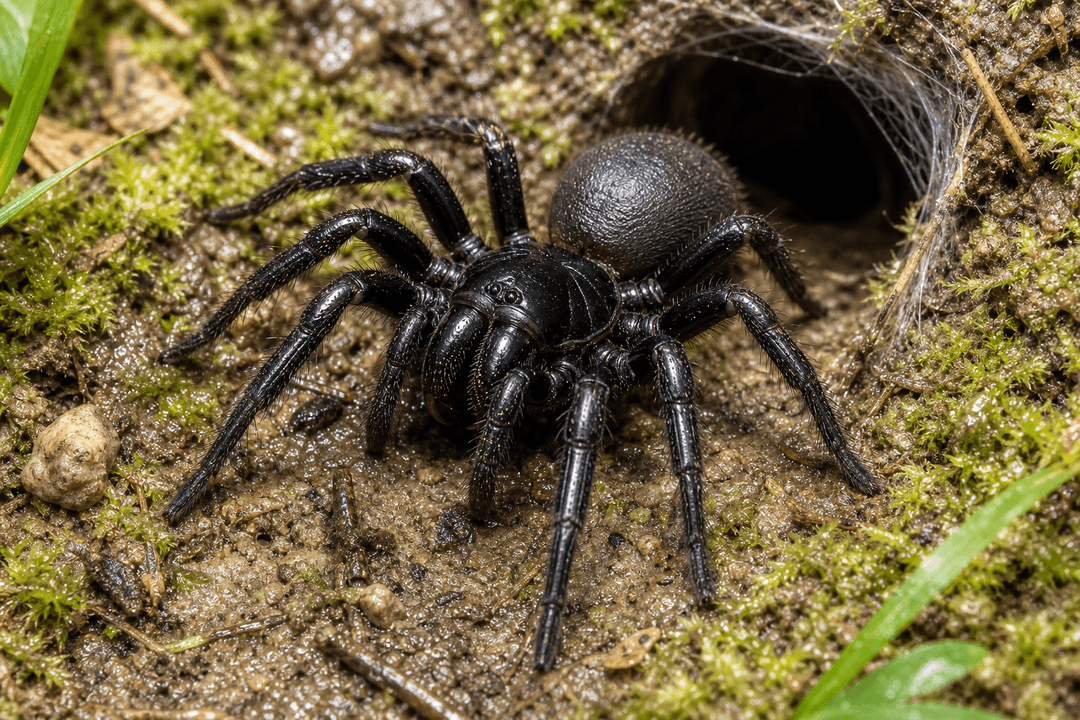
Australia is also known for spiders, jellyfish, blue-ringed octopuses, cone snails, and other smaller animals that can be dangerous if handled or encountered in the wrong context. These animals make the country's reputation feel intense because they are not all large predators. Some are small, hidden, seasonal, or tied to specific coastal and tropical environments.
For educational writing, the key is not to list frightening details. It is to explain that habitat and behavior matter. Jellyfish concerns are different in tropical marine waters than in inland forests. A spider under outdoor storage is a different situation from a shark in open water. Specific local guidance is always more useful than a general fear ranking.
Country Context
Country Context: A Huge Island Continent With Many Biomes
Australia includes tropical northern coasts, dry interior deserts, temperate southern regions, eucalyptus forests, reefs, wetlands, farms, cities, and offshore islands. That variety helps explain why the country has so many famous animals. A single national label cannot describe every region. Dangerous wildlife in Queensland, the Northern Territory, Western Australia, New South Wales, or Tasmania may involve different species and different habitats.
Season also matters. Wet seasons can change water levels and animal movement. Hot weather can affect reptile activity. Ocean conditions can shift marine life patterns. Presence on a broad educational map should be read as a sign that an animal group is associated with a region, not as proof that an animal is nearby at a specific moment.
Why Local Signs and Habits Matter
Australia is a good example of why wildlife education should connect maps with everyday habits. Northern river signs, beach patrol information, seasonal jellyfish notices, national park guidance, and local wildlife rescue advice all exist because broad animal reputation is too general. A family visiting a reef coast, a dry inland trail, or a mangrove river should be thinking about different animals and different rules.
The most useful pattern is simple: do not handle wild animals, do not feed them, watch where you step or place your hands, and take water warnings seriously. Those are not dramatic ideas, but they are exactly the kind of calm wildlife literacy that reduces fear while respecting animals.
Presence Scores and Australian Wildlife
BeastAtlas Presence Scores are simplified educational estimates. They are not exact population counts, live tracking data, or safety guarantees. For Australia, a high score for a group such as snakes, sharks, or crocodiles means the animal is strongly associated with certain Australian regions or habitats. It does not mean every place in Australia has the same level of wildlife presence.
This distinction is important for Google readers and families alike. A score can help compare broad patterns, but it should never replace local beach warnings, park signs, ranger advice, field guides, or emergency information. BeastAtlas is a learning atlas, not a real-time safety system.
Reality Note: Respect Is Better Than Panic
Australia's dangerous animals are real, but they are not villains. Snakes help control small animals, crocodiles belong to northern wetland food webs, sharks are part of ocean ecosystems, and even feared smaller animals have ecological roles. The best educational tone is calm respect: do not handle wildlife, follow local signs, and learn which habitats require extra care.
For families, the main lesson is that fear becomes more useful when it is specific. Which animal? Which habitat? Which region? Which season? Those questions make wildlife learning clearer, safer, and more fair to the animals themselves.
Related BeastAtlas Pages
Presence Scores are simplified educational estimates. They are not exact population counts or safety guarantees.