
Wildlife Guide
The Most Feared Animals in the World
A calm, visual guide to famous animal reputations, real habitat context, and why respect is better than panic.
Back to guidesReputation Is Not the Same as Risk
Some animals become famous because people fear them. Snakes, sharks, crocodiles, bears, lions, and tigers all appear in stories, headlines, movies, myths, and warning signs. They are powerful animals, and respect is appropriate. But reputation is not the same thing as real-world risk. An animal can be widely feared even if most people will never encounter it in the wild.
Risk depends on context: where the animal lives, how often people enter that habitat, whether local guidance is followed, how the animal behaves, and whether people try to handle, feed, corner, or approach wildlife. BeastAtlas uses fear as a starting point for learning, not as an excuse to make animals seem like monsters.
Featured Animals
Feared Animals Featured in This Guide
Fear vs Context
Why Some Animals Feel Especially Scary
Animals often feel frightening when they are hard to see, powerful at close range, or surrounded by dramatic stories. Sharks live in water, where visibility is limited and humans feel less in control. Snakes can be small, quiet, and sudden. Crocodiles can hide at the water's edge. Bears are large and intelligent. Lions and tigers are famous big cats with strength, stealth, and cultural symbolism.
These traits do not make fear silly. They explain why people pay attention. The problem comes when fear removes context. A shark in open ocean, a tiger in protected forest, a crocodile in a remote wetland, and a snake under a log are all in their own habitats. Understanding habitat helps turn fear into a more accurate kind of respect.
Snakes
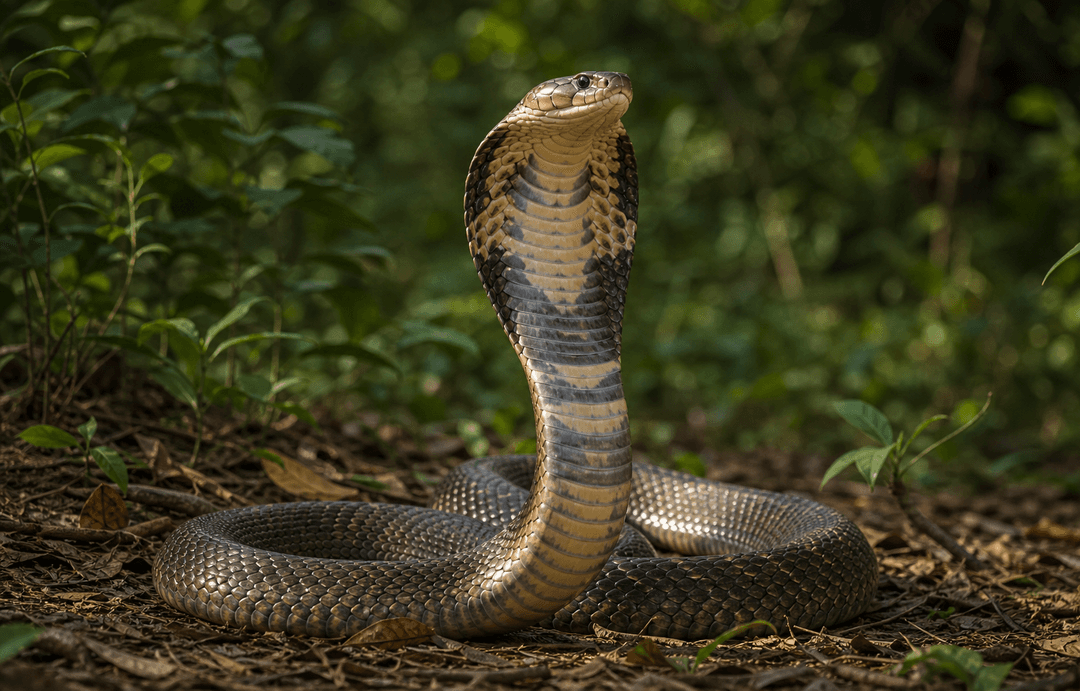
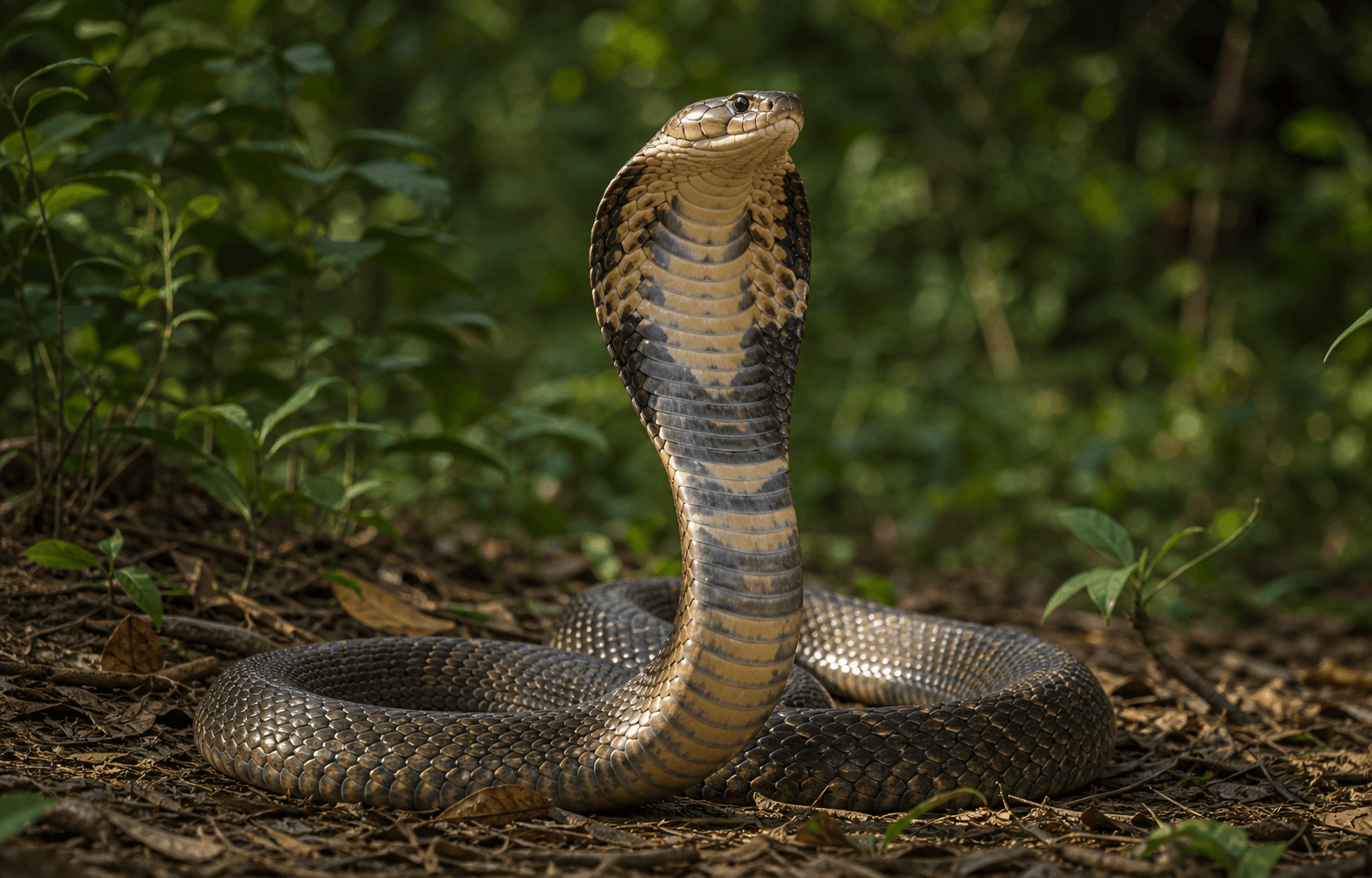
Snake fear often comes from surprise, hidden movement, and venom in some species. Habitat explains why snakes may be found in forests, deserts, wetlands, farms, or rocky shelter.
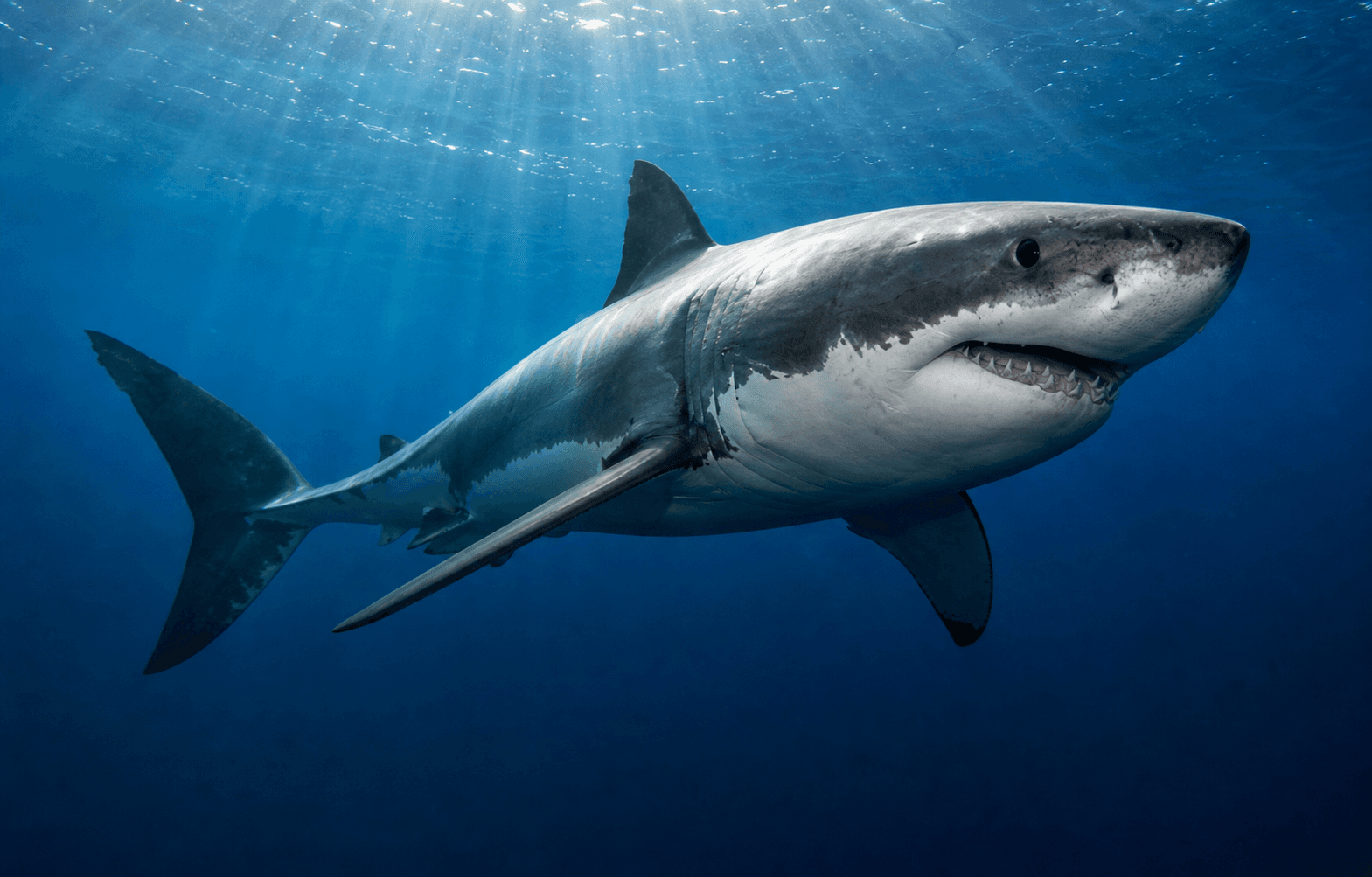
Sharks
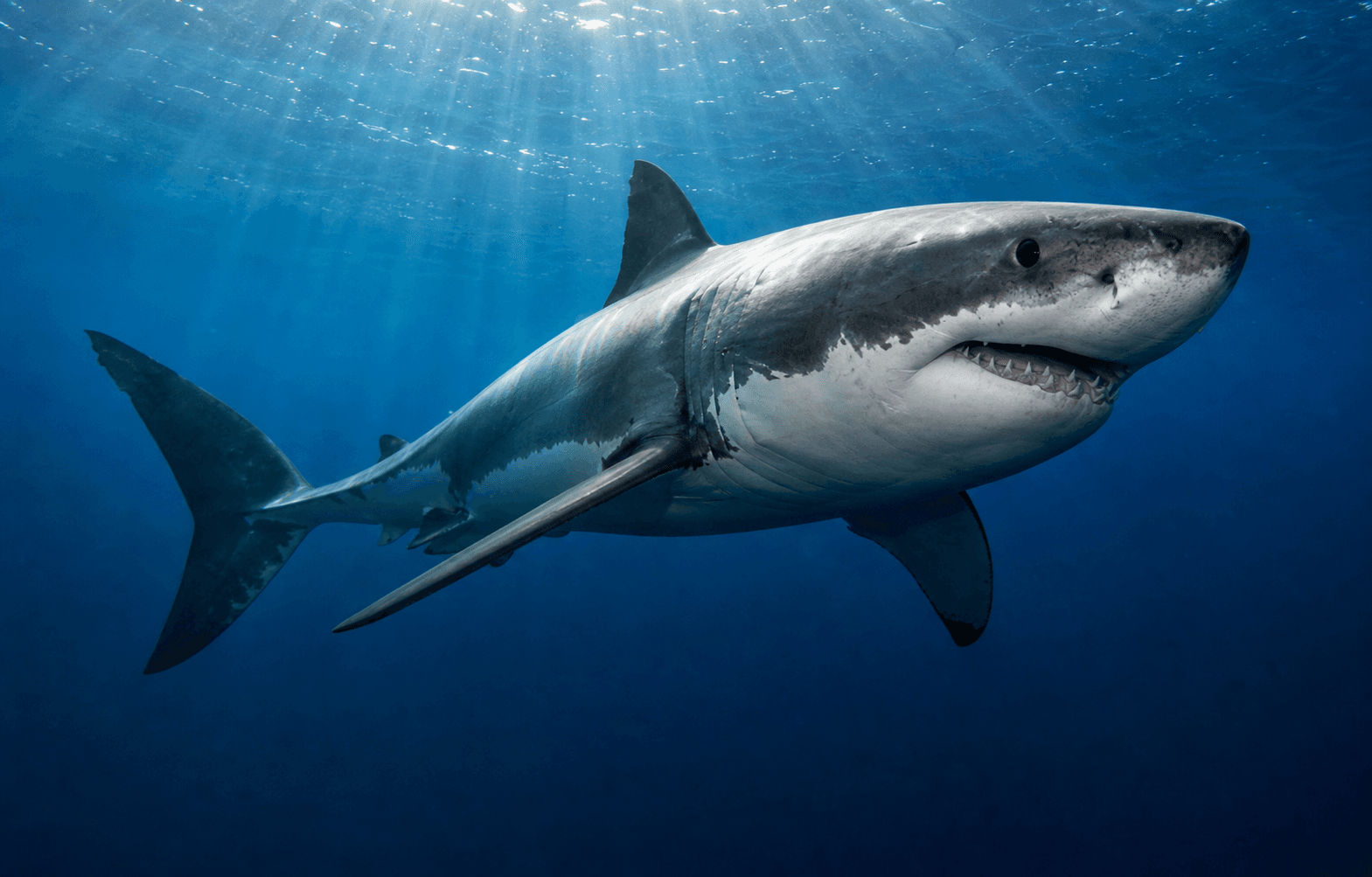
Shark fear is tied to water, limited visibility, and famous ocean predators. A better guide looks at coasts, reefs, prey movement, local warnings, and shark conservation.
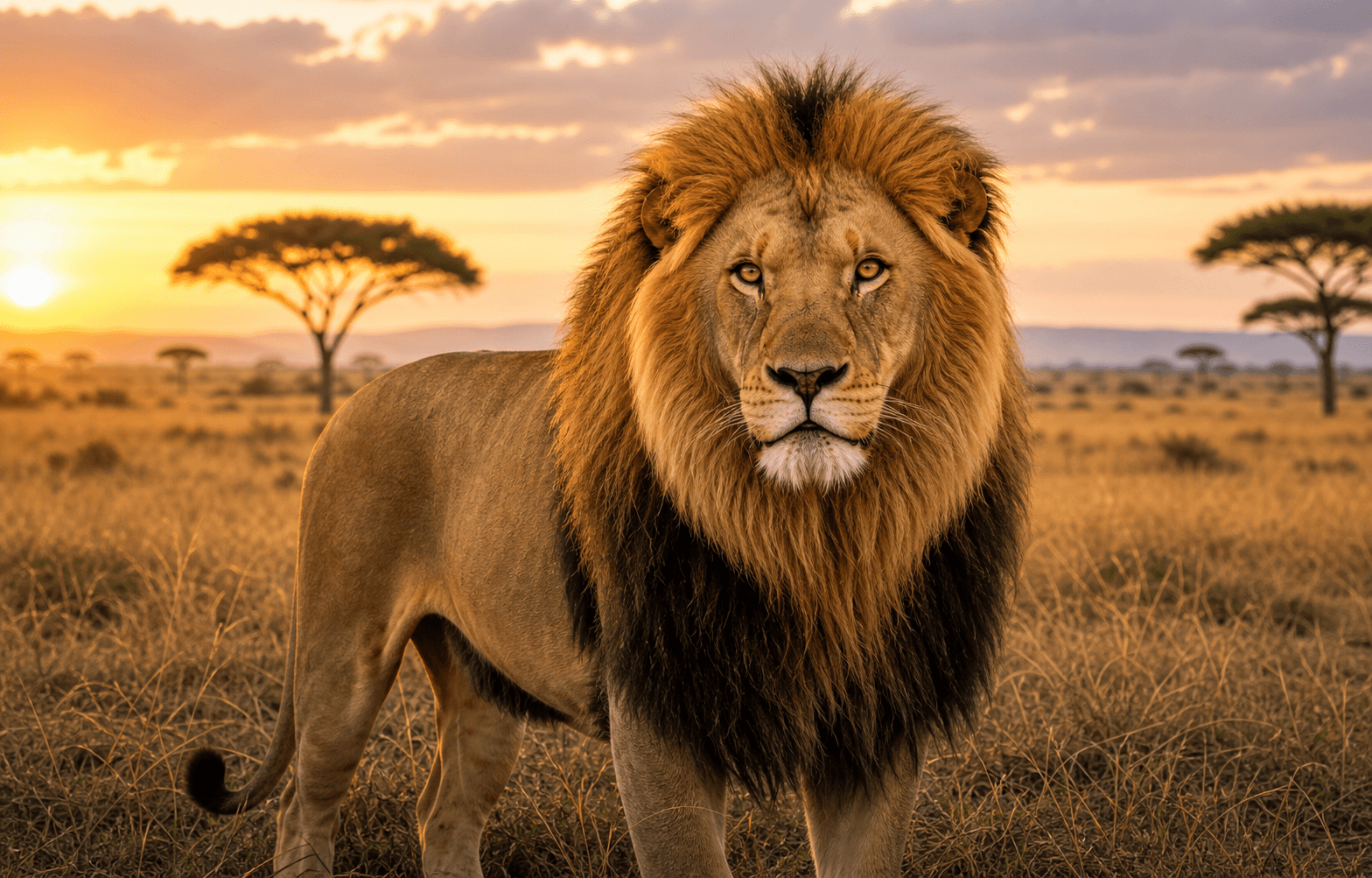
Crocodiles, Bears, Lions, and Tigers
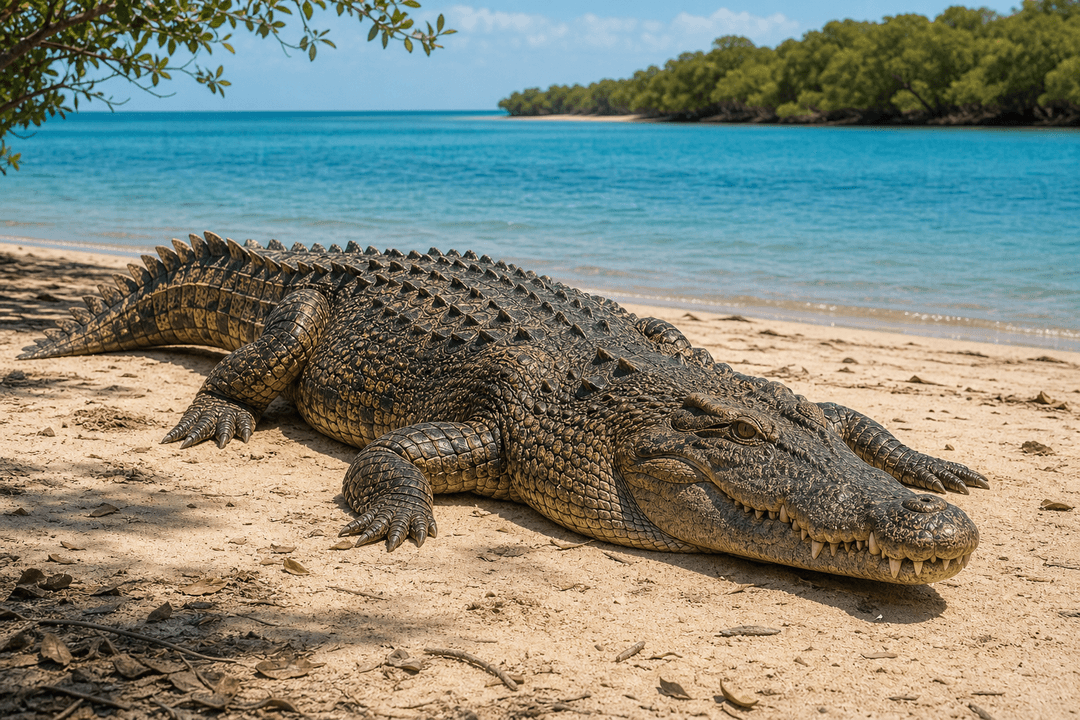
Large predators and powerful mammals deserve respect, but their real stories depend on habitat, food, seasons, human overlap, and local conservation conditions.
Animal Groups
From Surprise Encounters to Habitat Stories
Snakes: Widespread but Often Avoidant
Snakes live in an enormous variety of habitats, from forests and deserts to wetlands, farms, and rocky hills. Some species are venomous and deserve serious caution. Many others are harmless to people and play useful roles by hunting rodents, insects, frogs, or other small animals. Their fear factor comes from surprise, movement, venom in some species, and deep cultural associations.
The reality note is that most snakes avoid people when they can. Conflicts often happen when snakes are stepped on, handled, trapped, or surprised at close range. Learning where snakes live makes them less mysterious and helps families understand why local wildlife guidance matters.
Sharks: Ocean Predators With a Bigger Conservation Story
Sharks are feared because they are predators in an environment where people cannot easily see. Great whites, tiger sharks, and bull sharks get special attention, but shark diversity is much larger than those three names. Many sharks are small, deep-water, reef-associated, or highly specialized. Most are not interested in people as prey.
The reality note is that sharks are important marine animals, and many species face pressure from fishing and habitat change. A good shark education page should include respect for local beach warnings and respect for shark conservation. Both can be true at the same time.
Crocodiles, Bears, Lions, and Tigers
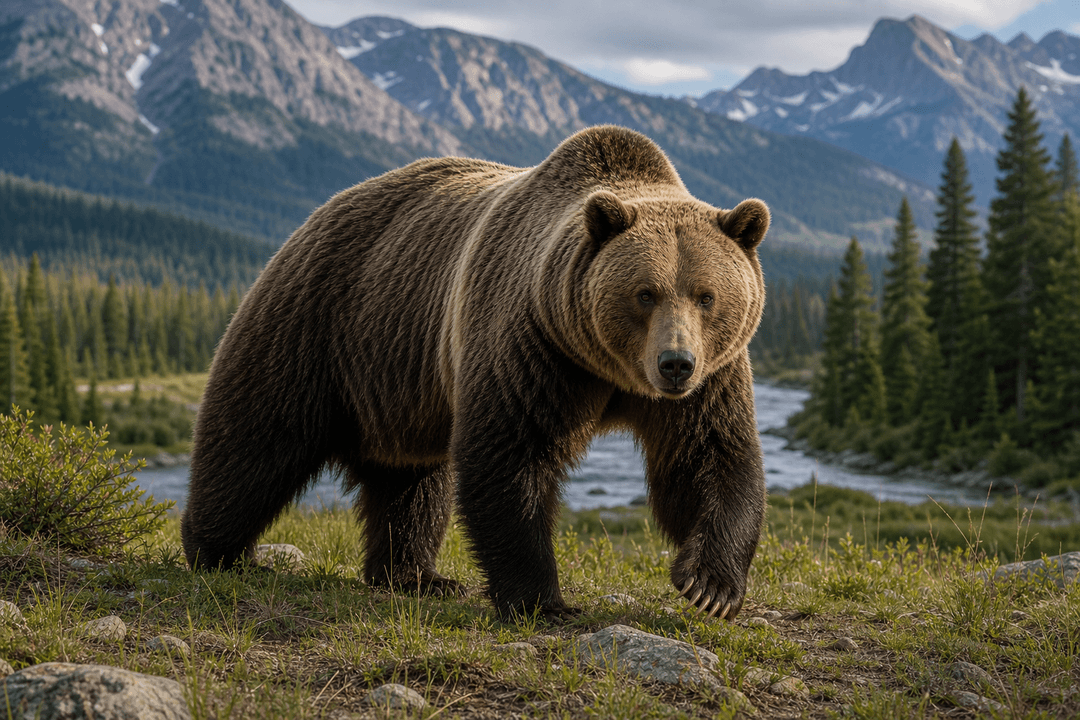
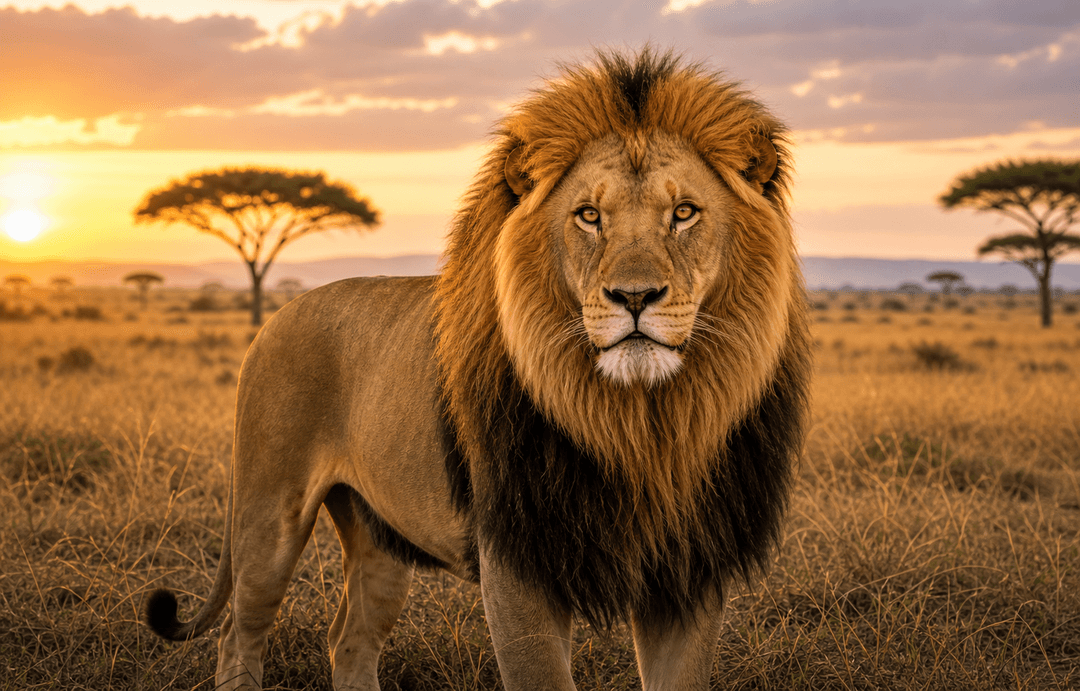
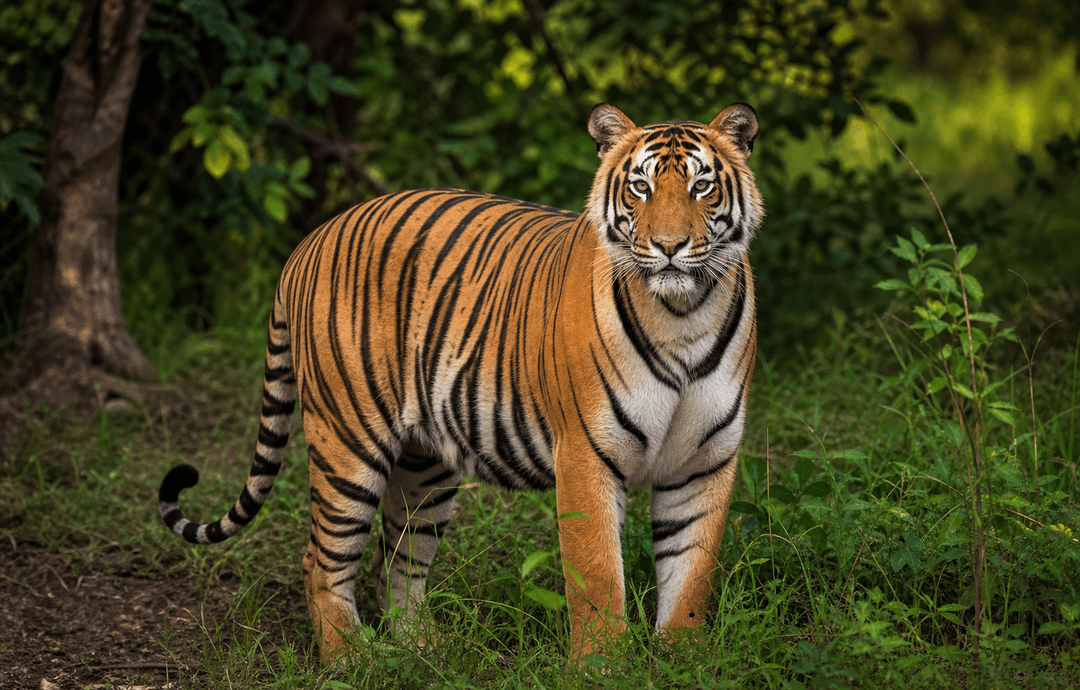
Crocodiles are feared because they are powerful ambush predators in rivers, swamps, estuaries, and coastal waterways. Bears are feared because they are large, strong, and smart, with seasonal food needs that can bring them near people. Lions and tigers are feared because they are big cats built for hunting large prey. These reputations are based on real power, but real power is not the same as constant danger.
Each animal also has an ecological story. Crocodiles belong to wetland food webs. Bears move nutrients and seeds and respond strongly to food availability. Lions shape savanna ecosystems. Tigers depend on forests, prey, and protected landscapes. When we learn the habitat story, the animal becomes more than a fear symbol.
Learning Tool
Fear vs Real Risk
Reputation
Stories, headlines, and movies can make rare encounters feel common. Reputation is a clue for curiosity, not a precise risk map.
Habitat context
A shark coast, a crocodile river, a bear food source, and a tiger forest are different situations. Habitat gives fear useful detail.
Human contact
Many problems involve surprise, feeding, handling, crowding, or entering wildlife habitat without local guidance.
Reality note
Powerful animals are not villains. Respect, distance, and local advice are more helpful than panic or monster-style rankings.
Regional Examples Show Why Context Matters
A person swimming at a supervised beach, hiking in bear country, visiting a tiger reserve, boating through crocodile habitat, or gardening in a snake region is not facing the same kind of risk. Local knowledge changes everything. Lifeguards, park rangers, wildlife agencies, tour guides, and community rules exist because broad animal reputation is too general for real decisions.
This is also why BeastAtlas avoids exact population claims or safety promises. Animal range can shift with season, climate, food, migration, breeding, habitat change, and conservation. A simplified map is excellent for learning geography, but it is not a live warning system.
Presence Scores and Better Wildlife Learning
Presence Scores are simplified educational estimates. They are not exact population counts or safety guarantees. They help readers compare broad patterns, such as whether an animal is strongly associated with a region or only appears in limited habitats. A Presence Score is a learning tool, not a scientific census.
The best wildlife learning replaces vague fear with careful questions. Where does the animal live? What habitat does it need? What does it eat? When does it avoid people? What local guidance applies? Those questions make the world feel richer and safer without pretending wild animals are harmless.
Why Headlines Can Distort Animal Risk
Headlines often focus on rare, dramatic events because those stories get attention. That can make a feared animal seem more common, more aggressive, or more unpredictable than it really is. A single viral clip cannot explain a species. It usually leaves out the location, season, animal behavior, human choices, and local conditions that shaped the moment.
A better approach is to look for patterns. Is the animal using normal habitat? Was food involved? Was it surprised, cornered, or approached? Are people entering a wild area, or is wildlife being drawn into a human area? These questions help readers think like naturalists instead of reacting only to fear.
How BeastAtlas Handles Fear Responsibly
BeastAtlas includes feared animals because fear is often the door through which people become curious. A child might first ask about a shark because it sounds scary, then learn about ocean food webs. A student might ask where tigers live, then discover habitat fragmentation and conservation. A reader might fear snakes, then learn that many species are shy and ecologically useful.
The goal is not to remove all caution. Wild animals deserve space. The goal is to make caution more informed, specific, and fair. When readers can connect reputation to habitat, range, and behavior, they are less likely to exaggerate danger and more likely to respect wildlife.
Reality Note
Fear can be useful when it leads to attention and respect. It becomes less useful when it turns wildlife into villains. The most feared animals in the world are often the animals with the strongest stories, the most dramatic bodies, or the habitats we understand least.
BeastAtlas is built around a simple idea: curiosity is better than panic. When readers learn range, habitat, and reality notes, they can appreciate powerful animals without exaggerating them.
Related BeastAtlas Pages
Presence Scores are simplified educational estimates. They are not exact population counts or safety guarantees.