
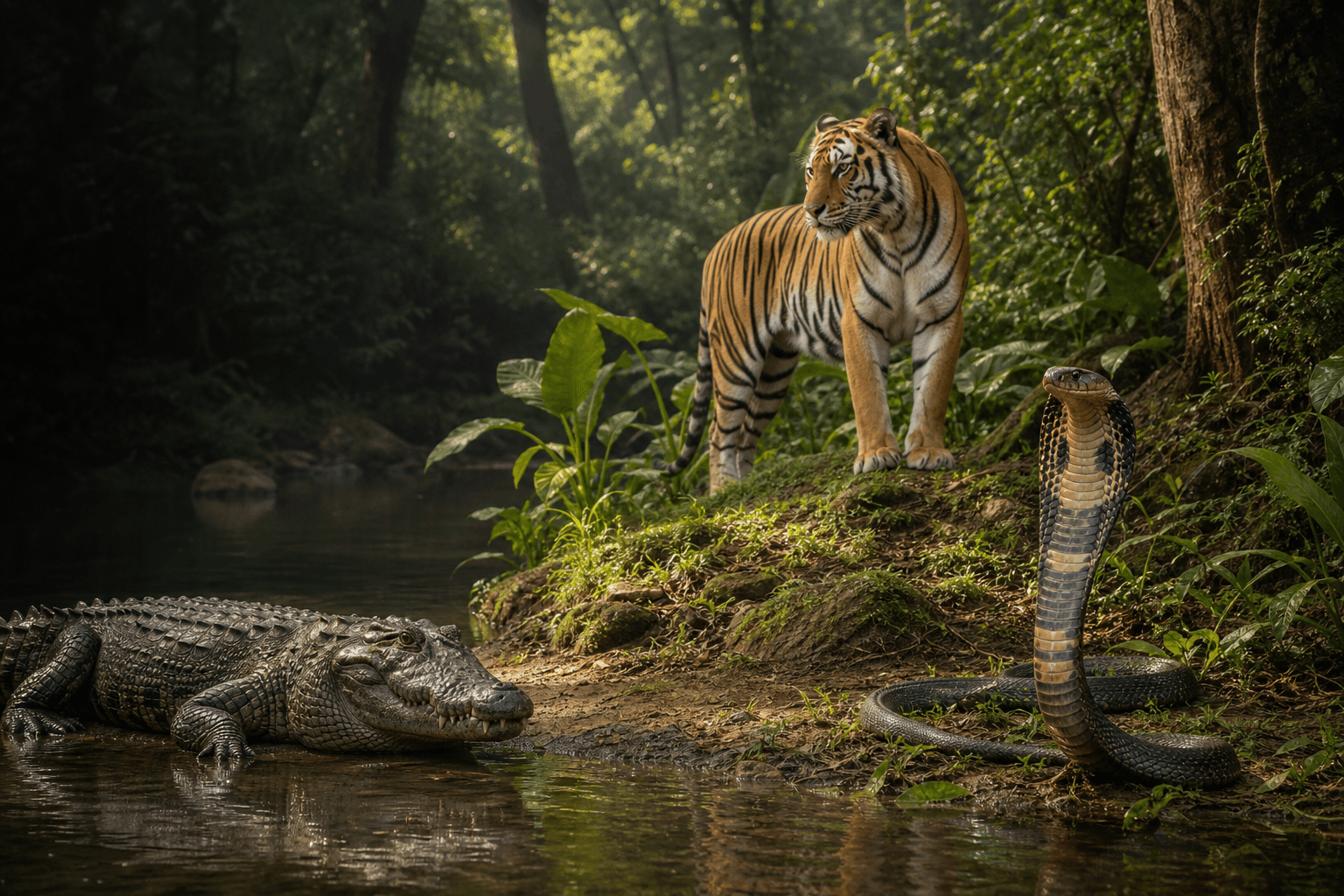
Country Wildlife Guide
Dangerous Animals in India
A calm, family-friendly guide to India's famous wildlife, the habitats behind each reputation, and why coexistence is part of the story.
Back to guidesIndia's Wildlife Story Is Rich and Regional
India is one of the world's most important wildlife countries because it includes forests, grasslands, deserts, wetlands, mountains, mangroves, farms, rivers, and long coastlines. That variety supports many animals that people respect from a distance: snakes, tigers, crocodiles, leopards, elephants, bears, and many smaller species. The country is not one single wildlife zone; it is a patchwork of habitats.
A family-friendly guide should avoid making India sound like a constant danger zone. Millions of people live, farm, travel, study, and work across landscapes that also support wildlife. The real story is coexistence, habitat edges, conservation, and local knowledge. BeastAtlas uses broad educational range patterns to help readers understand where famous animals are associated, not to predict local encounters.
Animal Groups
Indian Animals Featured in This Guide
Habitat Context
Habitats Explain the Wildlife Story
Forests, Reserves, and Tall Grass
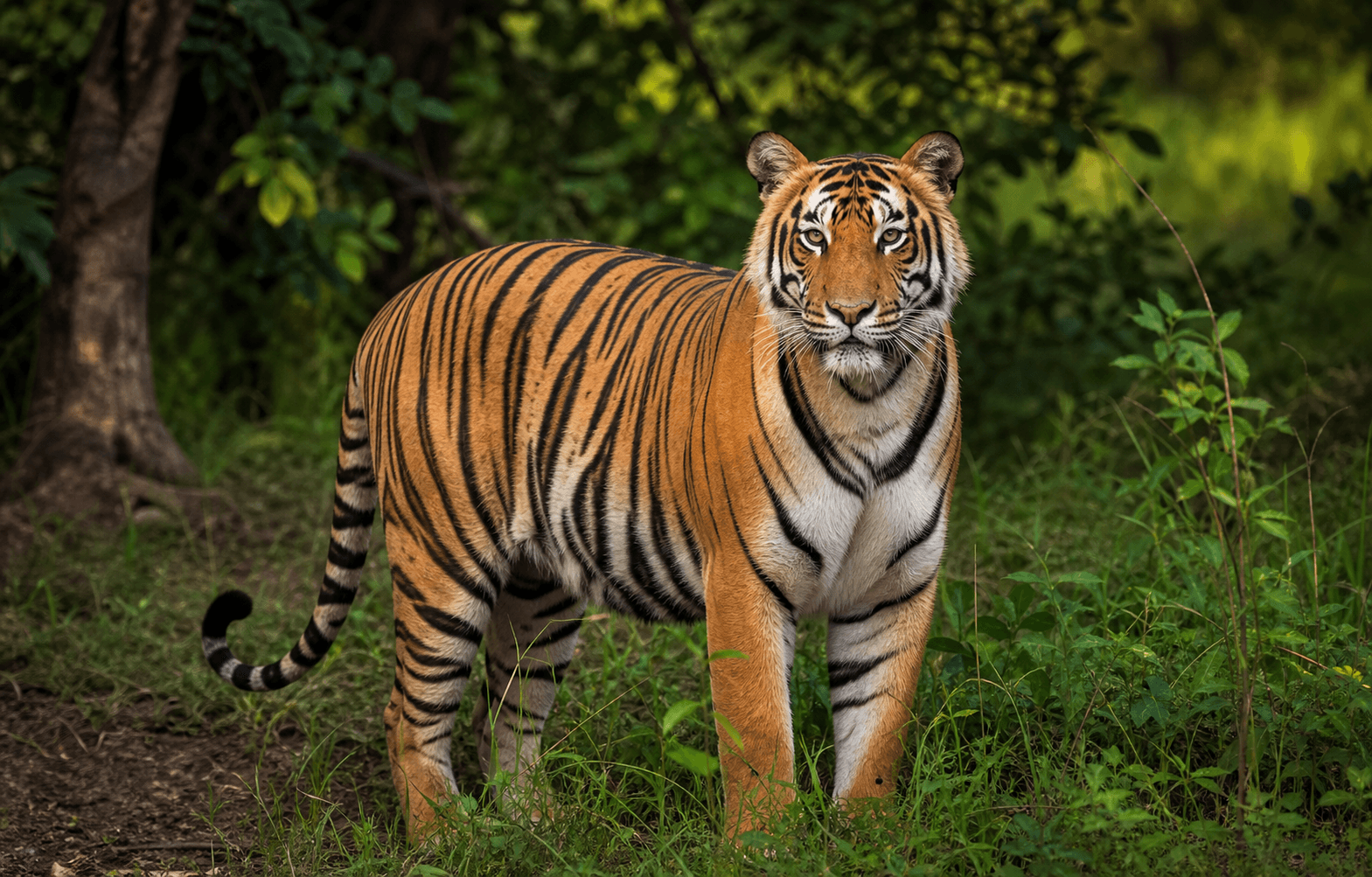
Tigers, leopards, elephants, bears, and many snakes are linked with forests, grasslands, reserves, plantations, and habitat edges where cover and food overlap.
Rivers, Wetlands, and Mangroves
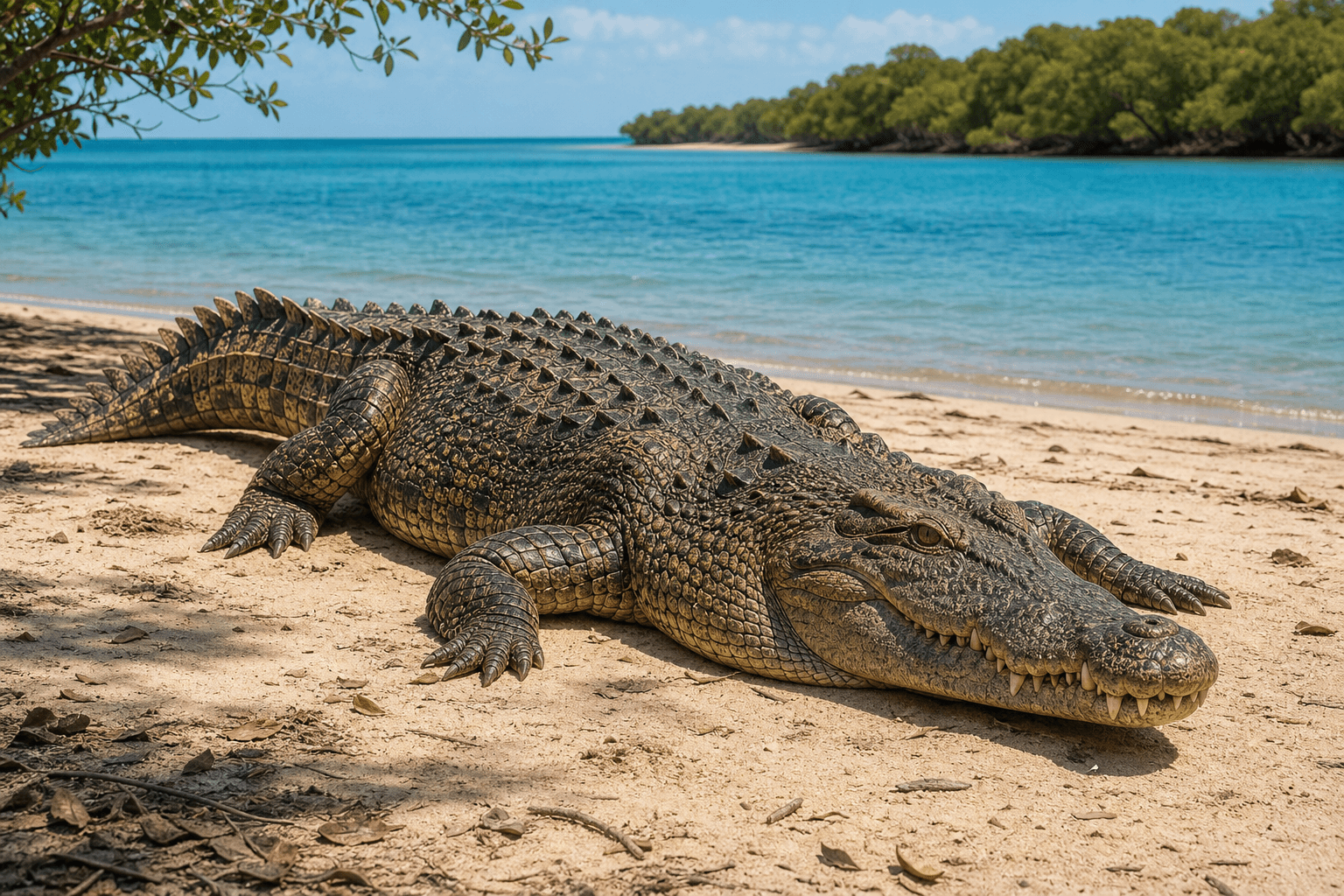
Crocodilians, waterbirds, snakes, fish, and other wildlife depend on rivers, marshes, reservoirs, mangroves, and estuaries. Water habitat changes the story.
Farms, Villages, and Shared Edges
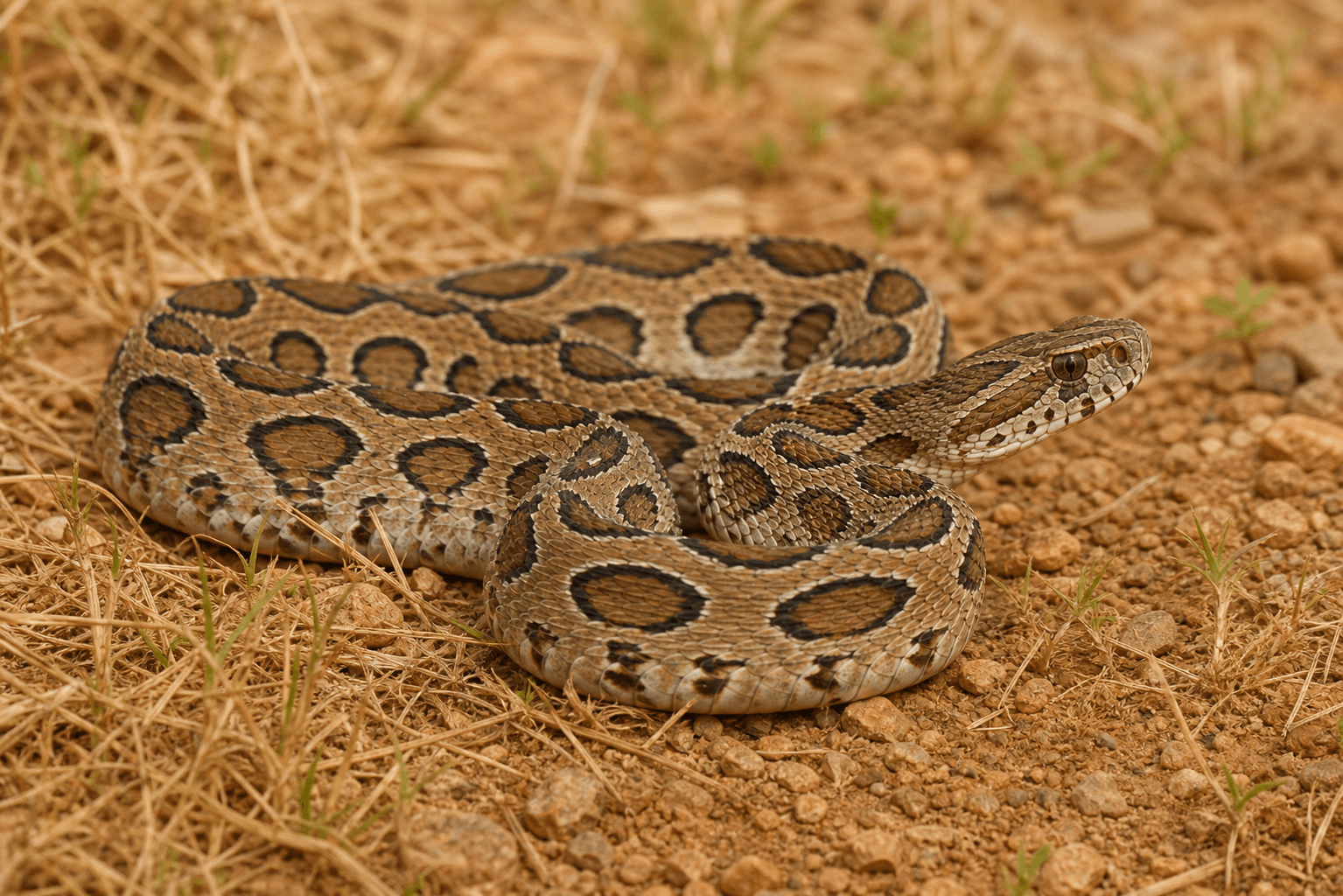
Many wildlife stories happen where farms, storage areas, roads, canals, and forest edges meet. These shared spaces are why local knowledge matters.
Wildlife Context
Snakes, Tigers, Crocodiles, and Shared Landscapes
Snakes in India
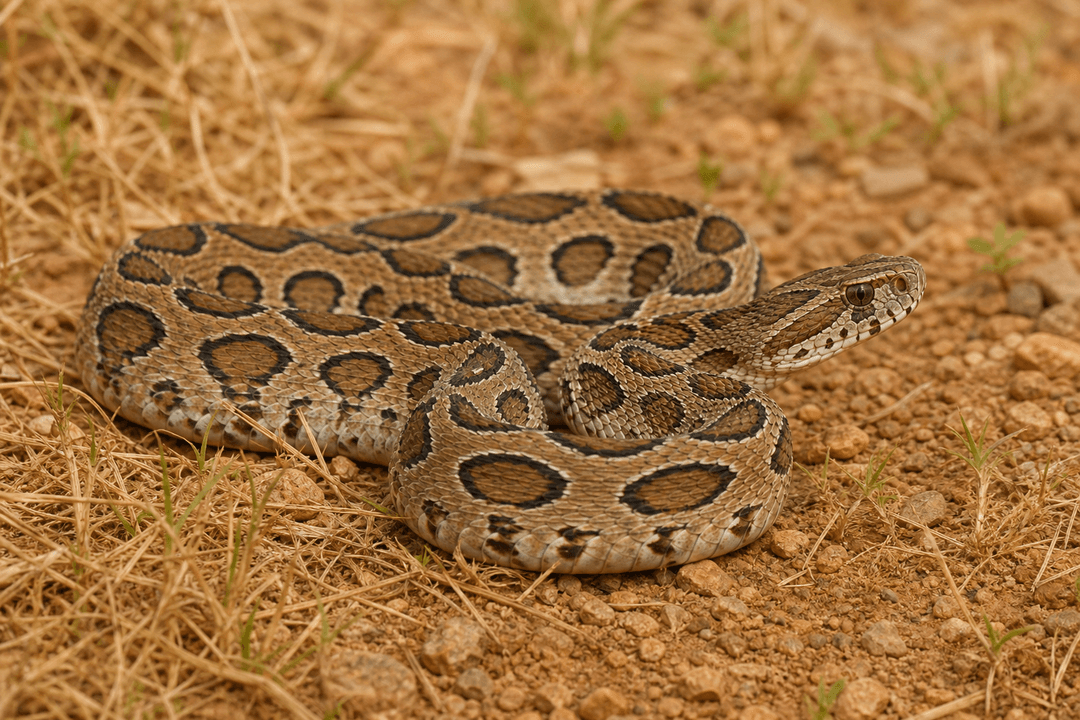
Snakes are among India's most famous dangerous animals because the country has many species and many people live near farms, villages, wetlands, forests, and other snake habitats. Cobras, kraits, vipers, pythons, and many harmless snakes all form part of India's reptile story. Warm climates and varied habitats allow snakes to occupy many regions, though species differ greatly by place.
Snakes often appear near people because people and snakes may both use productive edges: fields with rodents, water sources, storage areas, gardens, and shaded places. This does not mean snakes seek conflict. Most snakes avoid people when possible. The educational lesson is to respect wildlife, avoid handling snakes, and understand that local snake awareness matters more than broad fear.
Tigers and Forest Landscapes
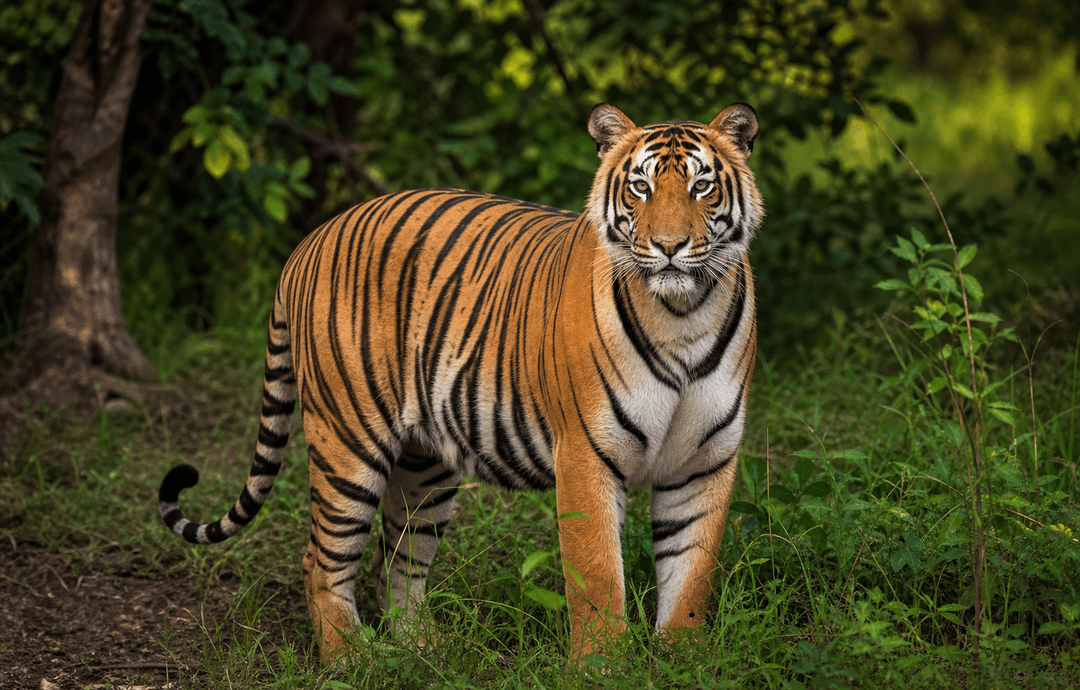
India is central to the modern tiger story. Tigers are associated with forests, grasslands, mangroves, riverine habitat, and protected reserves where prey and cover are available. They are powerful big cats, but they are also conservation-dependent in many places. Tiger range is shaped by habitat quality, prey animals, protected corridors, and how landscapes connect or fragment.
Famous tiger regions include central Indian forests, the Terai region near the Himalayan foothills, parts of southern India, northeastern forests, and the Sundarbans mangrove system. These examples are broad, not exact. A tiger reserve is not the same as a live location map, and tiger presence should never be treated as a safety promise or a population count.
Crocodiles, Rivers, and Wetlands
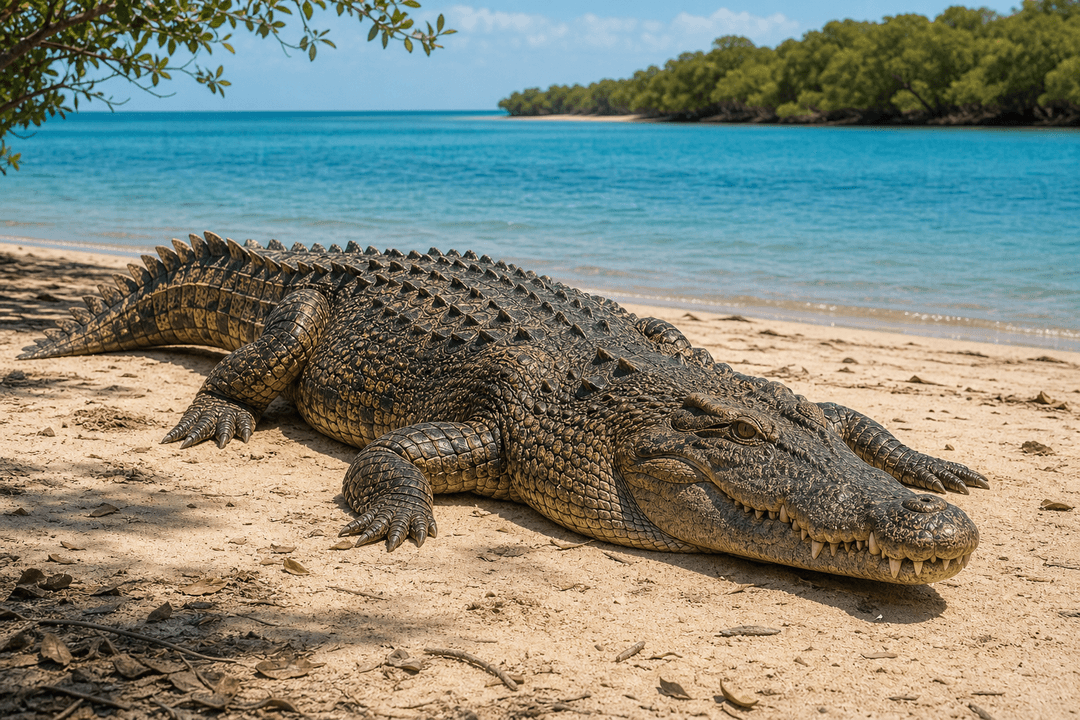
India has several crocodilian stories, including mugger crocodiles in freshwater habitats, gharials in river systems, and saltwater crocodiles in certain coastal and mangrove areas. These animals are tied to water: rivers, lakes, marshes, reservoirs, estuaries, and wetlands. Habitat type matters because crocodilians are not spread evenly across the country.
Crocodiles deserve respect because they are strong aquatic predators. At the same time, they are not random monsters. They use basking sites, nesting areas, fish-rich water, and quiet banks. Local signs and wildlife authorities are essential near crocodile habitat. BeastAtlas articles can explain broad range, but they cannot replace local water safety guidance.
Leopards, Elephants, Bears, and Other Wildlife
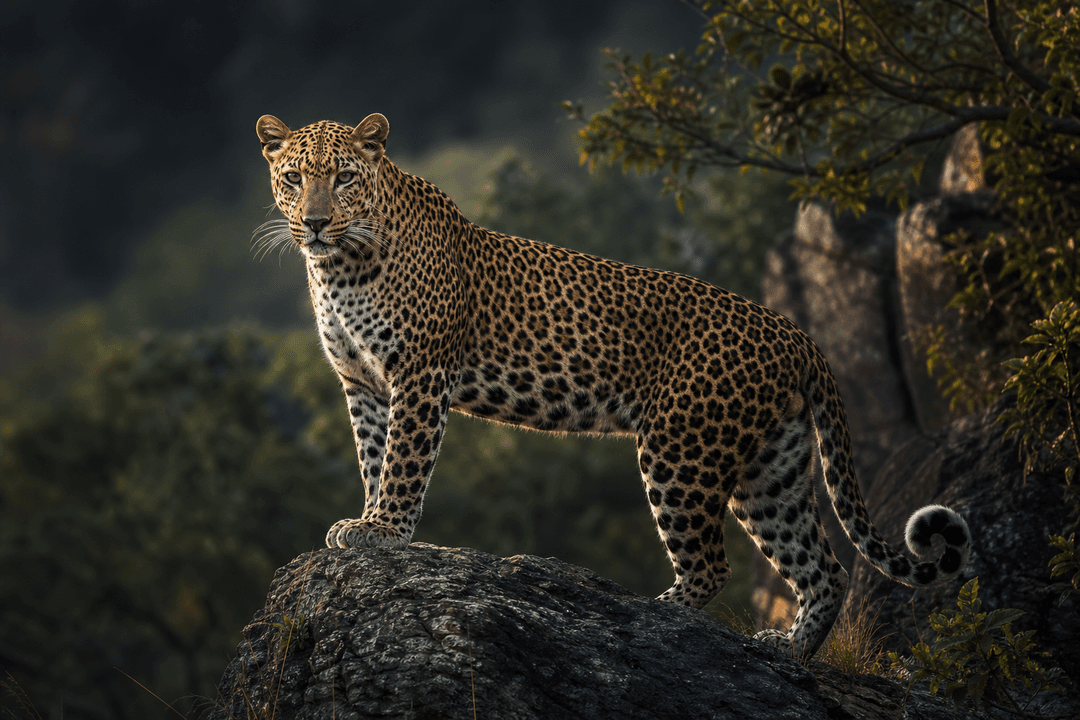
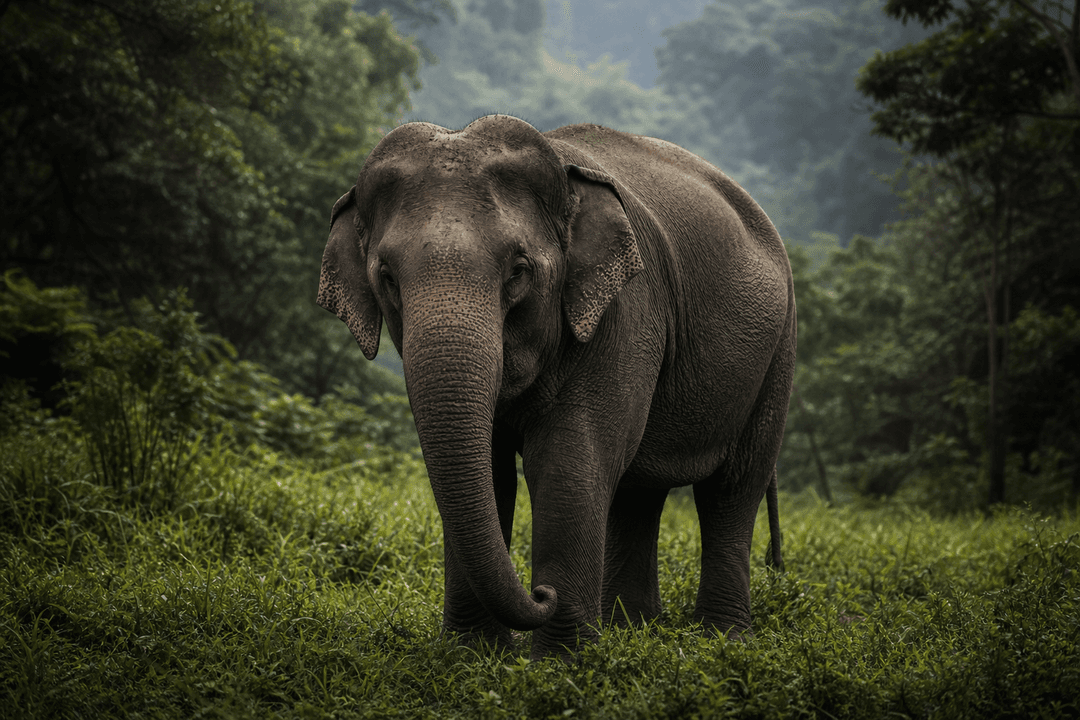
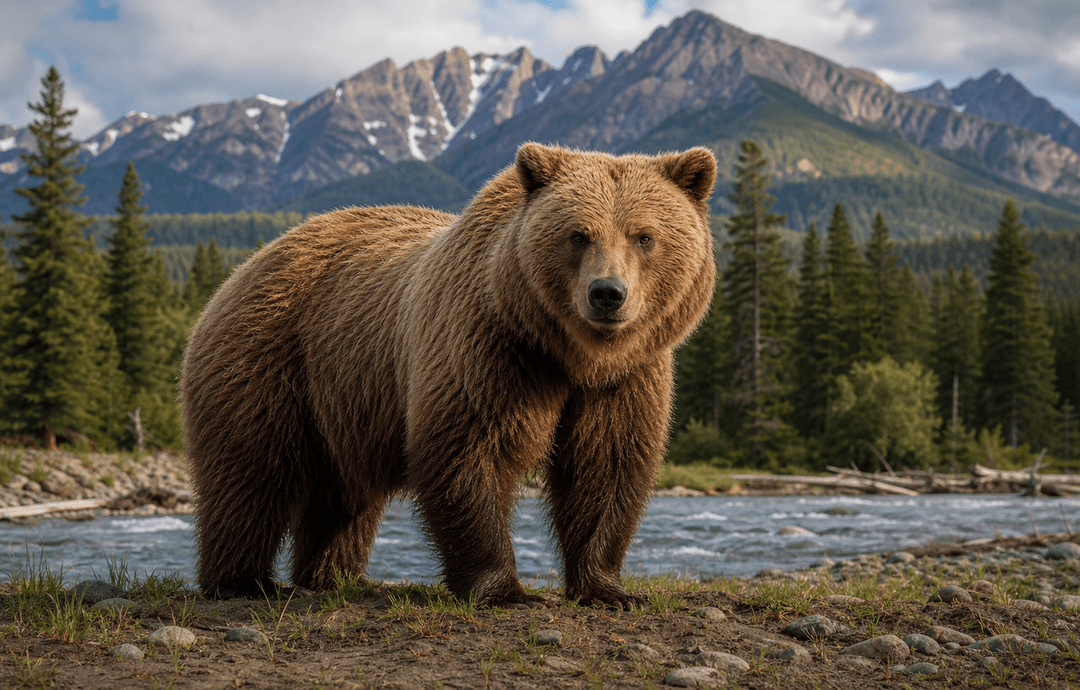
India's dangerous wildlife conversation often includes leopards, elephants, sloth bears, wild boar, and other animals. Leopards can live near forests, rocky areas, plantations, and even the edges of towns. Elephants use forests, grasslands, corridors, and agricultural edges. Sloth bears are associated with forests, scrub, rocky areas, and places with termites or fruiting trees.
These animals show why context matters. A crop field near a forest edge, a road through a corridor, a village beside a protected area, and a tourist zone inside a reserve all create different types of wildlife contact. The goal of a family guide is not to make every animal scary, but to explain why shared landscapes need attention and respect.
Country Context
Country Context: People and Wildlife Share Space
India's population density makes wildlife coexistence especially important. Many animals live near farms, villages, roads, temples, canals, and forest edges. This creates challenges, but it also creates remarkable conservation stories. Tigers, elephants, crocodiles, snakes, and other animals survive partly because people, governments, scientists, forest departments, and local communities manage complex landscapes.
For readers, the main idea is that wildlife presence is not only about remote wilderness. It is also about edges: where forest meets farmland, where water meets settlement, where prey animals move, and where people use natural resources. These edges can be rich in life and also require careful local guidance.
Why Seasons and Daily Routines Change Encounters
Indian wildlife patterns can change with monsoon rains, dry seasons, harvest cycles, heat, water availability, and animal movement. Snakes may be noticed more when rain, flooding, or rodent activity changes shelter. Crocodiles may be more relevant around certain water bodies. Elephants and other large animals may move along routes that cross farms, roads, or village edges.
Daily routines matter too. Many animals are more active at dawn, dusk, night, or cooler parts of the day. A broad guide cannot capture all of that local detail, but it can teach readers to ask better questions. What habitat is nearby? Is there water? Is food attracting animals? Are local officials giving seasonal advice?
Presence Scores and Indian Wildlife
Presence Scores are simplified educational estimates, not exact population counts, live tracking data, or safety guarantees. In this guide, they point to broad habitat associations rather than local predictions.
Reality Note: India's Wildlife Is More Than Danger
India's famous wildlife is powerful, but danger is only one part of the story. Snakes, tigers, crocodiles, elephants, leopards, and bears also belong to ecosystems, conservation work, culture, and shared landscapes.
The best BeastAtlas lesson is informed respect: understand the habitat, give wildlife space, avoid feeding or handling animals, and follow local guidance.
Related BeastAtlas Pages
Presence Scores are simplified educational estimates. They are not exact population counts or safety guarantees.