
Country Wildlife Guide
Dangerous Animals in South America: Jaguars, Piranhas, Snakes, and More
A calm, family-friendly guide to jaguars, piranhas, snakes, electric fish, frogs, caimans, and spiders across South America's forests, wetlands, rivers, and shared landscapes.
Back to guidesSouth America Is a Continent of Wildlife Habitats
South America is famous for powerful and unusual animals because it contains some of the richest habitats on Earth. The continent includes the Amazon rainforest, the Orinoco basin, the Pantanal wetlands, Andean mountains, dry forests, savannas, grasslands, farms, cities, rivers, and long coastlines. Jaguars, pumas, anacondas, caimans, piranhas, electric eels, poison dart frogs, spiders, and many snakes all belong to different parts of this larger habitat story.
A calm guide should not make South America sound like a constant danger zone. Most wildlife is not looking for people. Realistic risk depends on where someone is, what habitat they are entering, whether animals are being handled or fed, and whether local guidance is being followed. The best way to understand South American wildlife is to connect each animal with habitat, behavior, and ecological role.
Animal Groups
South American Animals Featured in This Guide
Habitat Context
Forests, Wetlands, Rivers, and Shared Edges
Amazon Rainforest and River Edges
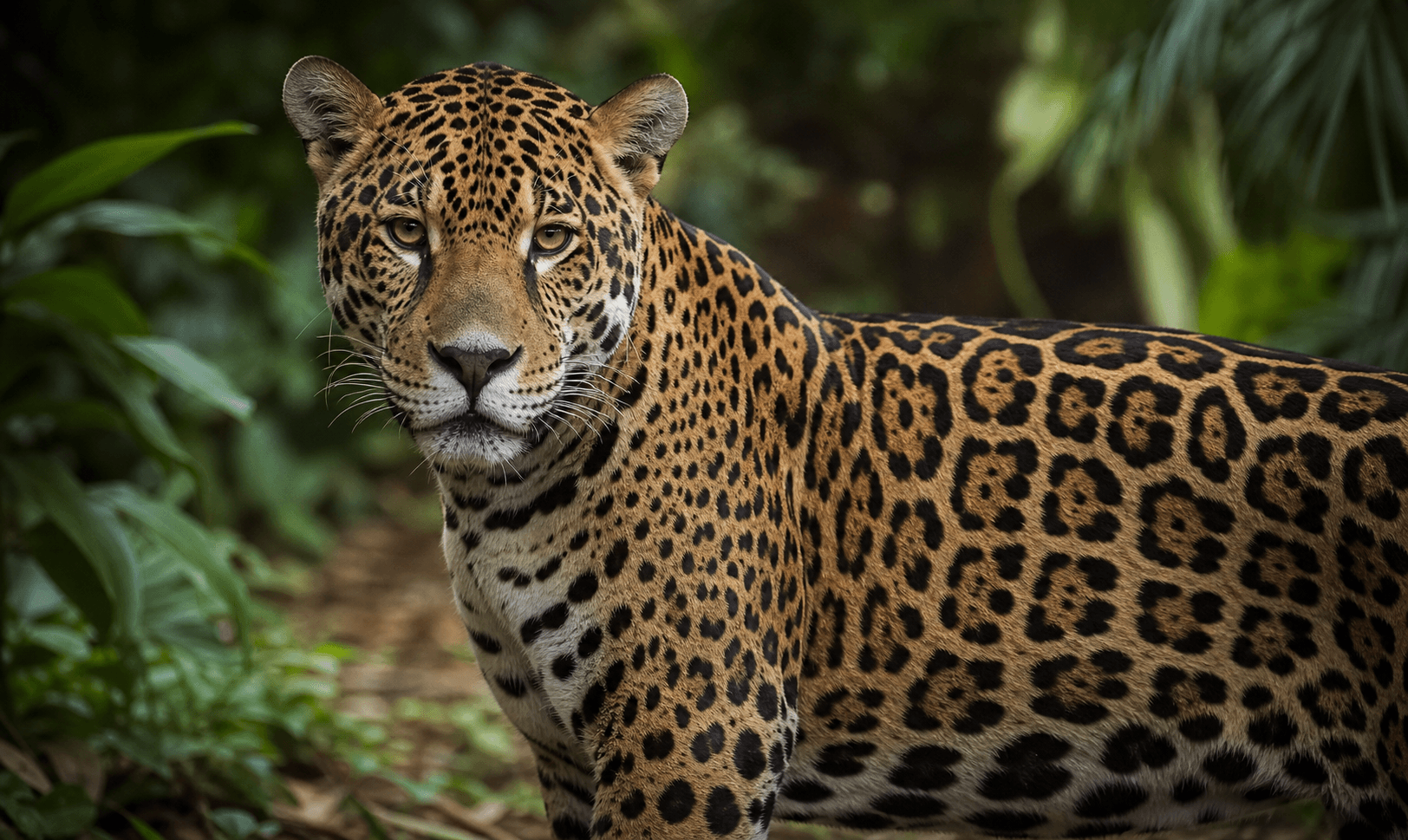
Much of South America's wildlife reputation comes from tropical forest, flooded forest, riverbanks, and dense cover where jaguars, frogs, spiders, caimans, and many snakes all use different layers of the same living landscape.
Wetlands, Floodplains, and Slow Water
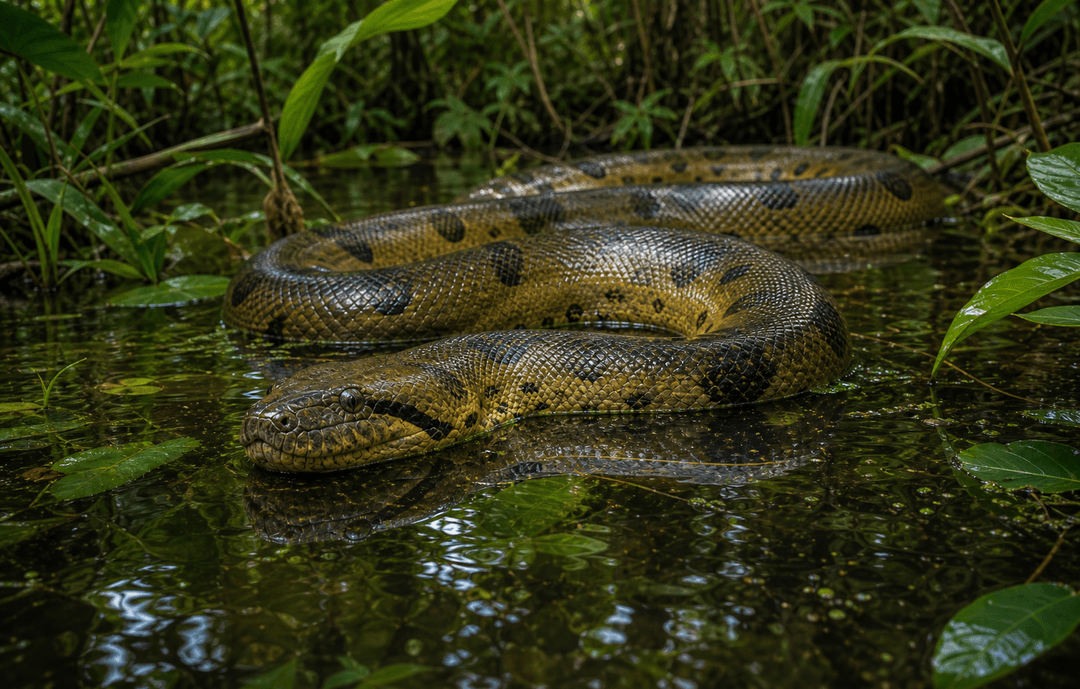
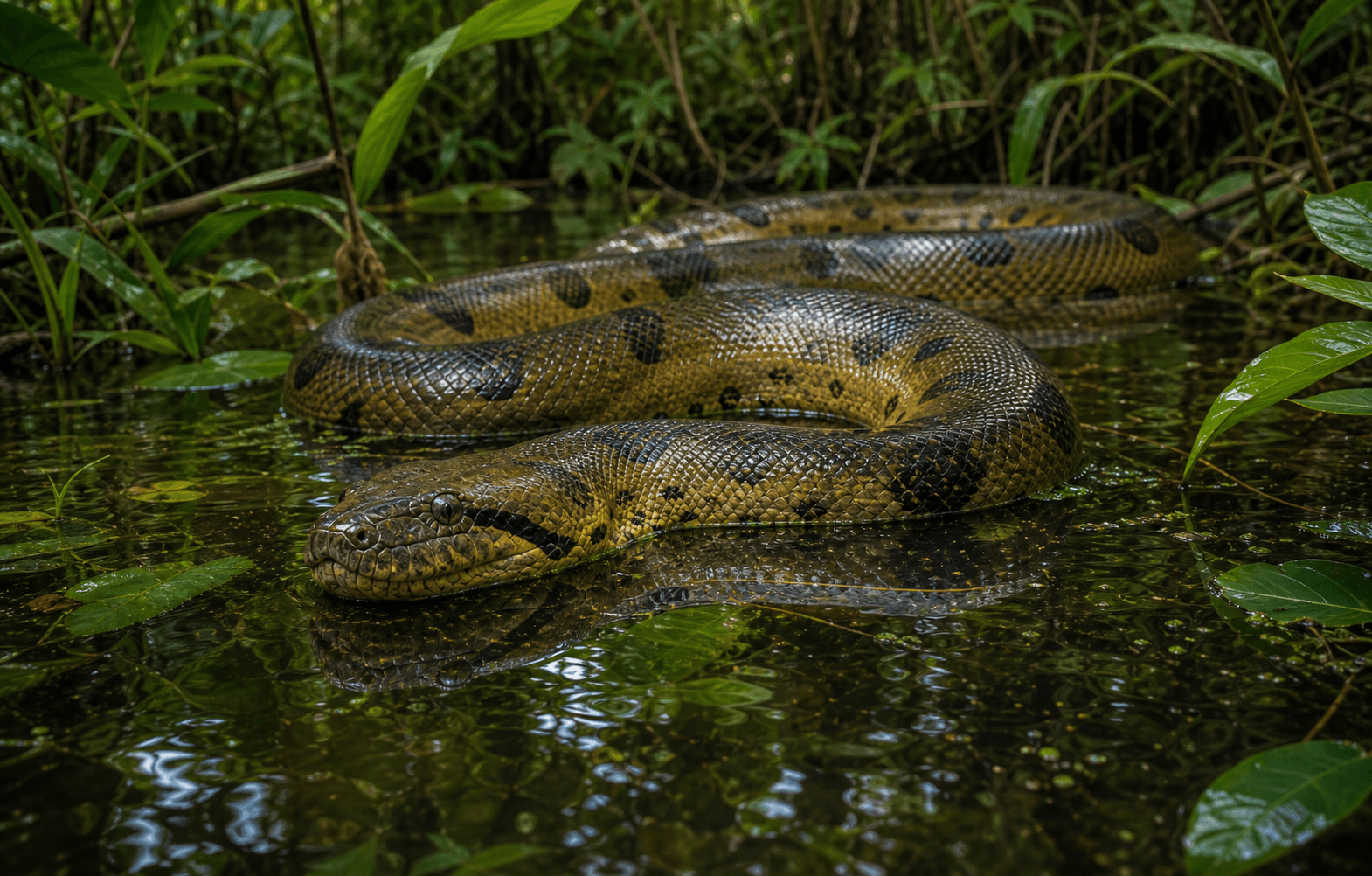
The Amazon, Orinoco, Pantanal, and other wetlands are shaped by water level, fish, birds, mammals, and thick vegetation. Anacondas, caimans, electric fish, and piranhas are best understood through this freshwater setting.
Mountains, Dry Forests, and Open Country
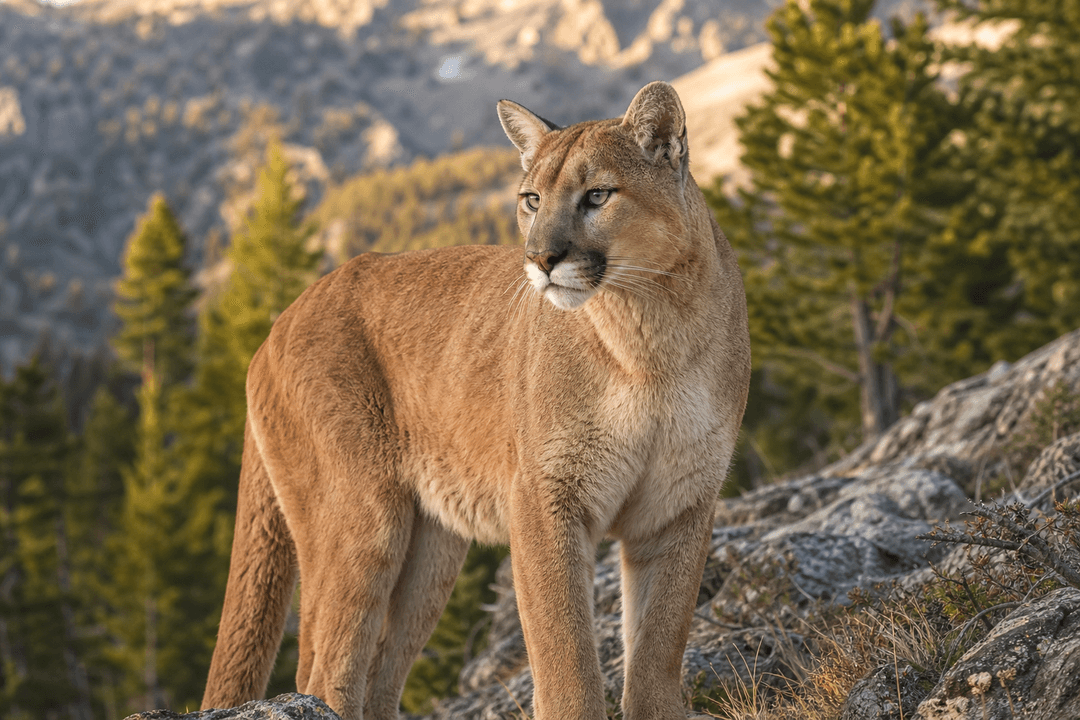
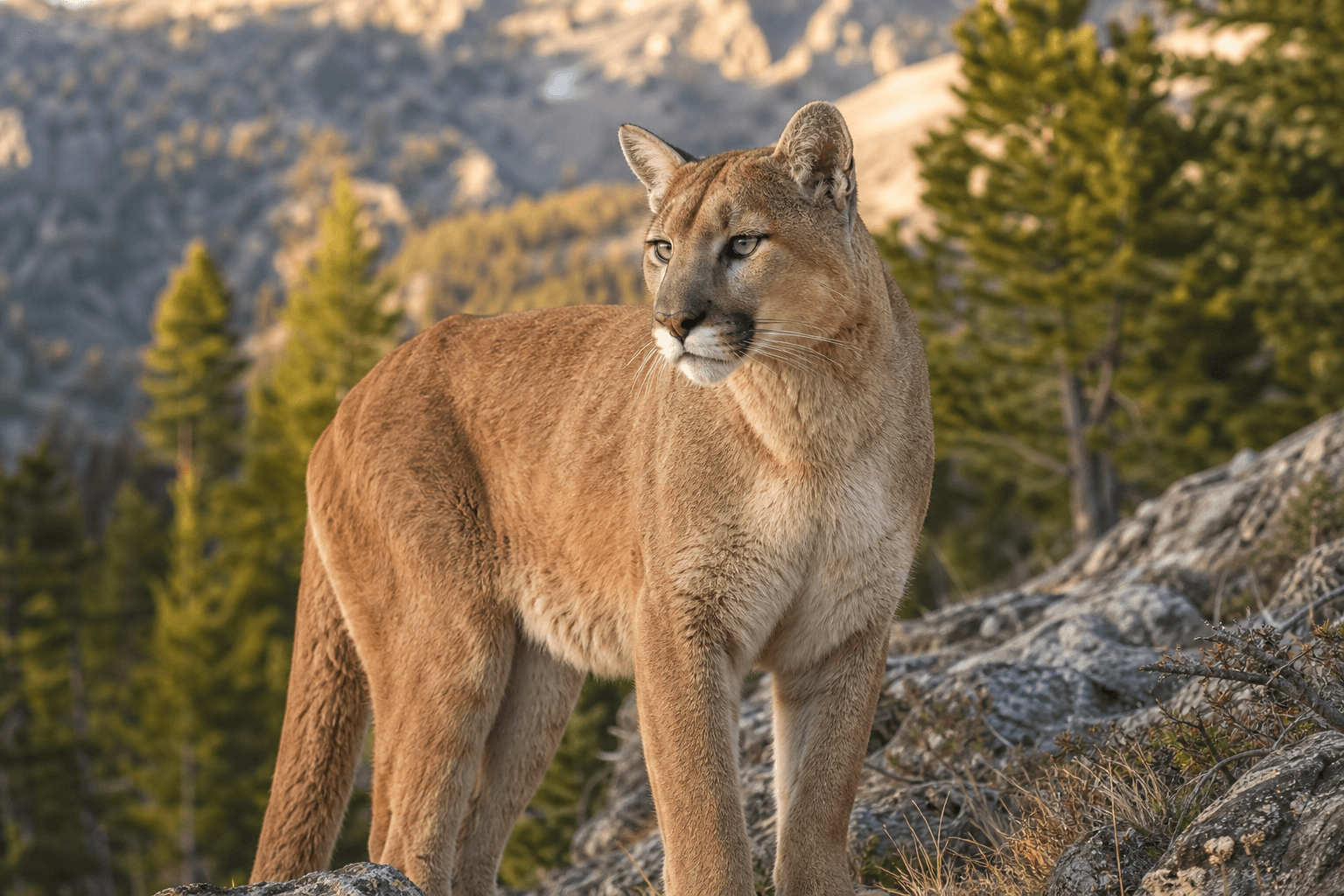
South America is not only rainforest. Pumas use mountains, scrub, grasslands, forest edges, and dry country, showing why continent-wide danger lists are too simple without habitat and region context.
Forest Floors, Farms, and Shared Edges
Smaller animals often become part of the fear story near leaf litter, plantations, storage areas, homes, and farms. The setting explains risk better than treating every spider, frog, or snake as a dramatic threat.
Wildlife Context
Jaguars, Pumas, Anacondas, Piranhas, and Smaller Wildlife
Jaguars, Pumas, and Big-Cat Landscapes
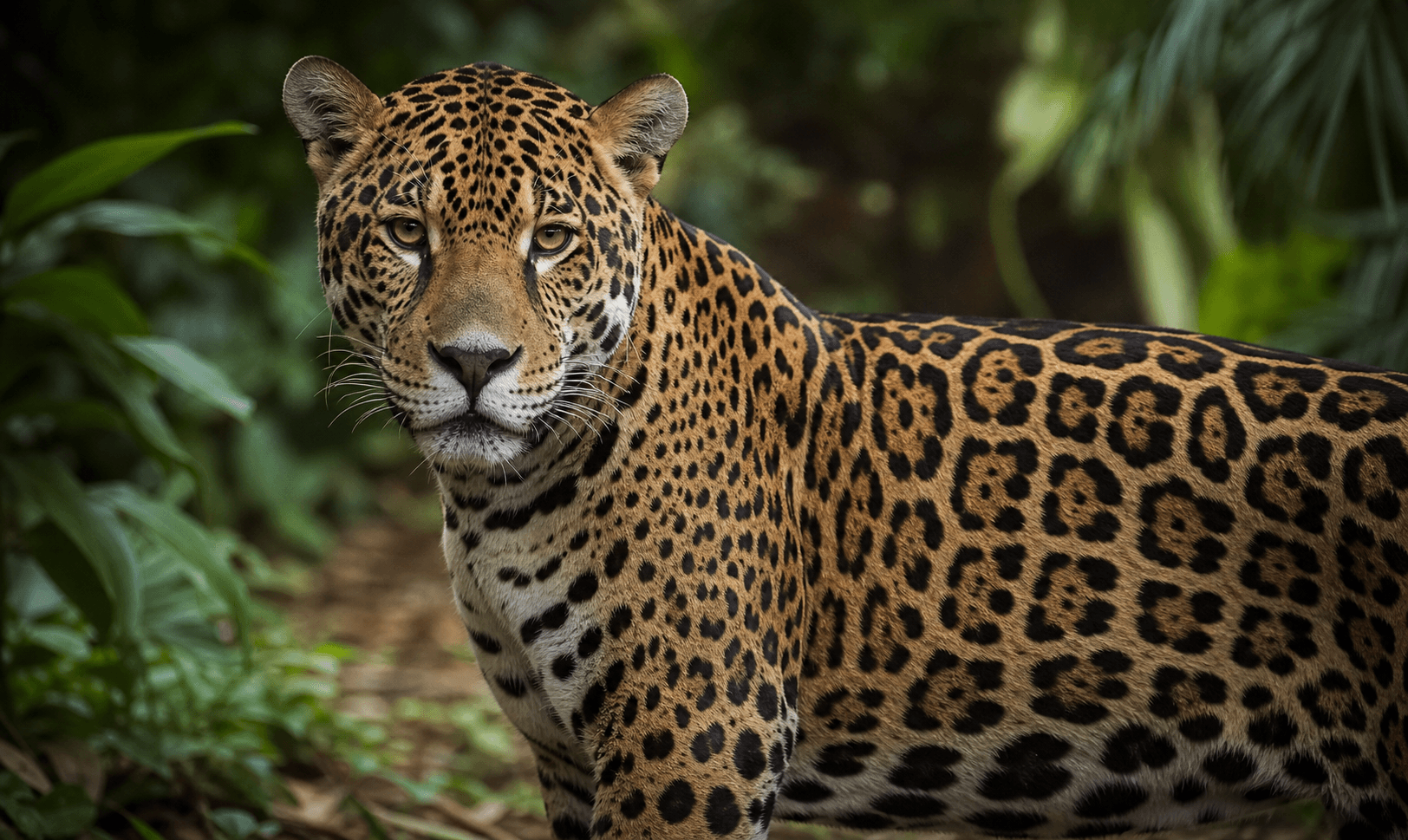
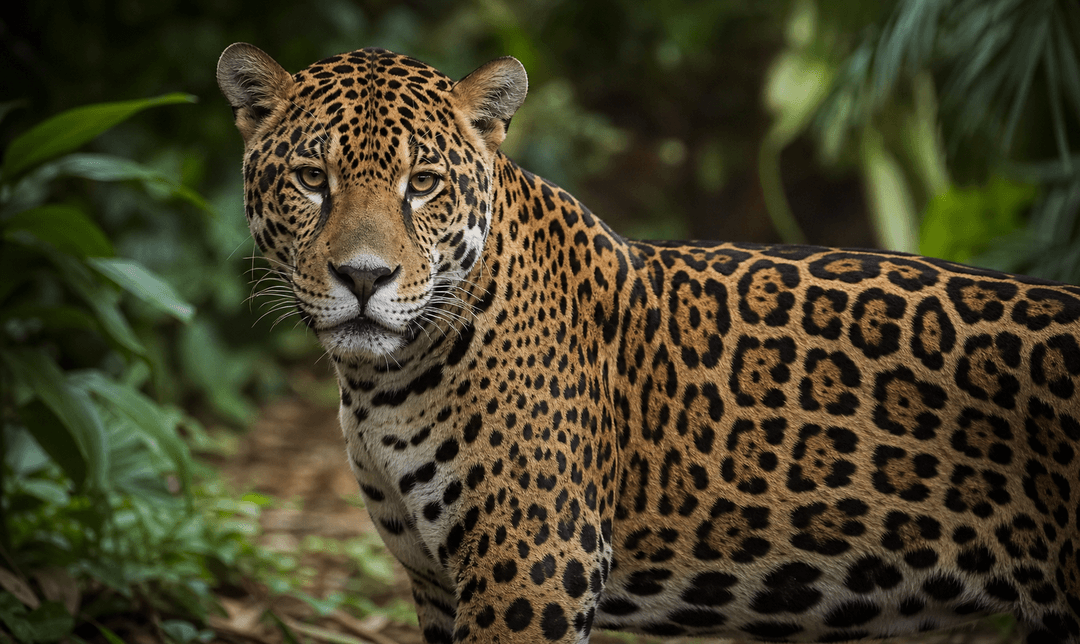
The jaguar is the largest big cat in the Americas and one of South America's most iconic predators. Jaguars are strongly associated with tropical forests, wetlands, river edges, and prey-rich landscapes, especially in and around the Amazon and Pantanal. They are powerful hunters with a close relationship to water, dense cover, and large prey, but they are also secretive animals that generally avoid people.
Pumas, also called mountain lions or cougars, tell a different story. They are more adaptable and can use mountains, dry forests, scrub, grasslands, and forest edges across a broad range of the Americas. In South America, pumas may be connected with Andean landscapes, Patagonian open country, and other regions where cover and prey are available. Both cats deserve respect, but their real story is habitat and conservation, not monster-style fear.
Green Anacondas, Black Caimans, Piranhas, and Electric Eels
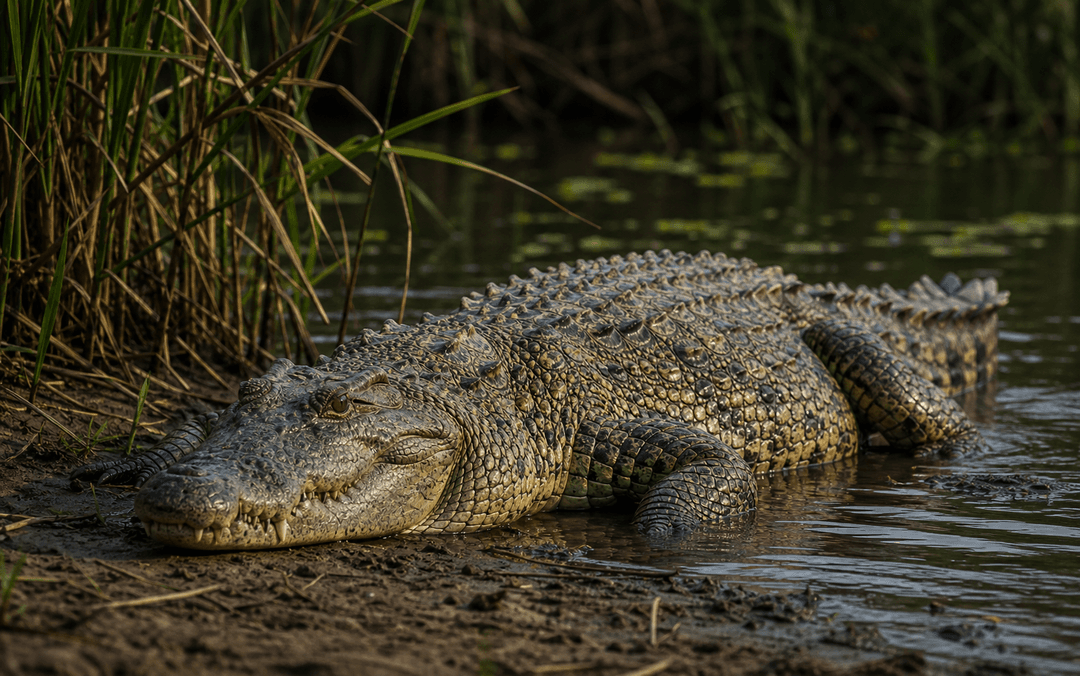
Many of South America's most famous animals are linked to freshwater. Green anacondas are heavy-bodied constrictors associated with wetlands, slow rivers, marshes, flooded forests, and swampy areas where water helps them move and hunt. Black caimans are large crocodilian relatives of Amazonian waters and floodplains. They are powerful predators, but their presence is tied to suitable warm freshwater habitat rather than the entire continent.
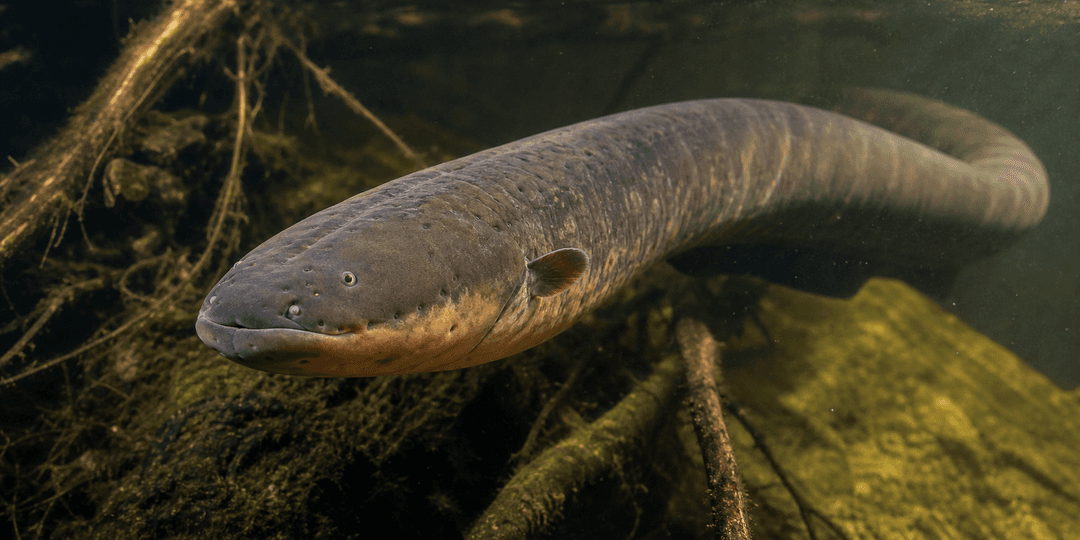
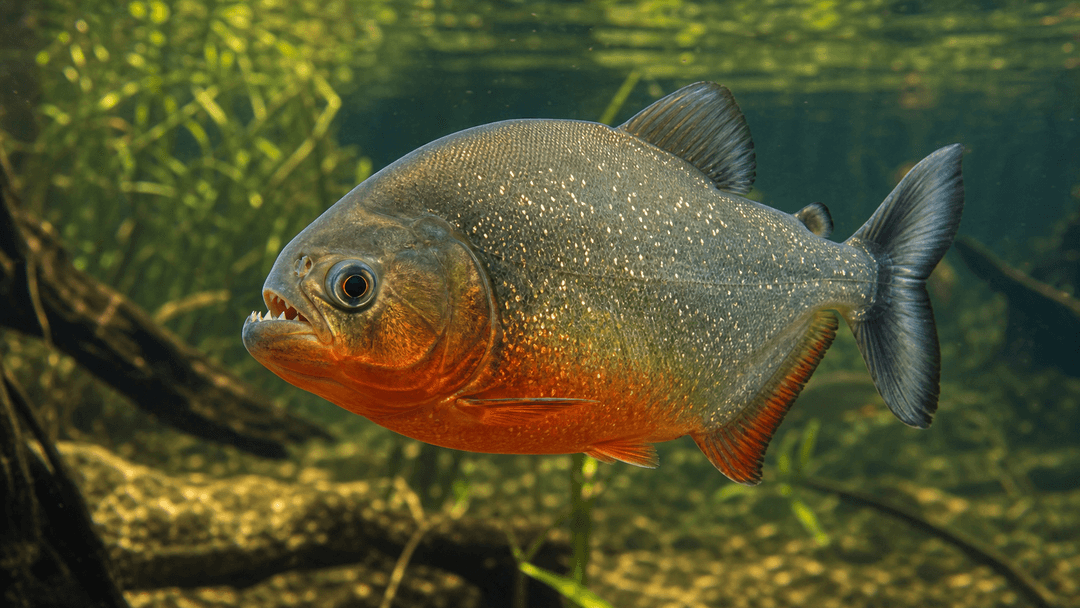
Red-bellied piranhas and electric eels are often misunderstood. Piranhas have sharp teeth and may feed in groups, but the movie image of constant monster swarms is exaggerated. Their behavior depends on water conditions, food, stress, and local context. Electric eels are not true eels; they are electric fish that can produce strong discharges for hunting and defense. They are remarkable freshwater animals, not creatures that hunt people.
Poison Dart Frogs, Brazilian Wandering Spiders, and Smaller Wildlife
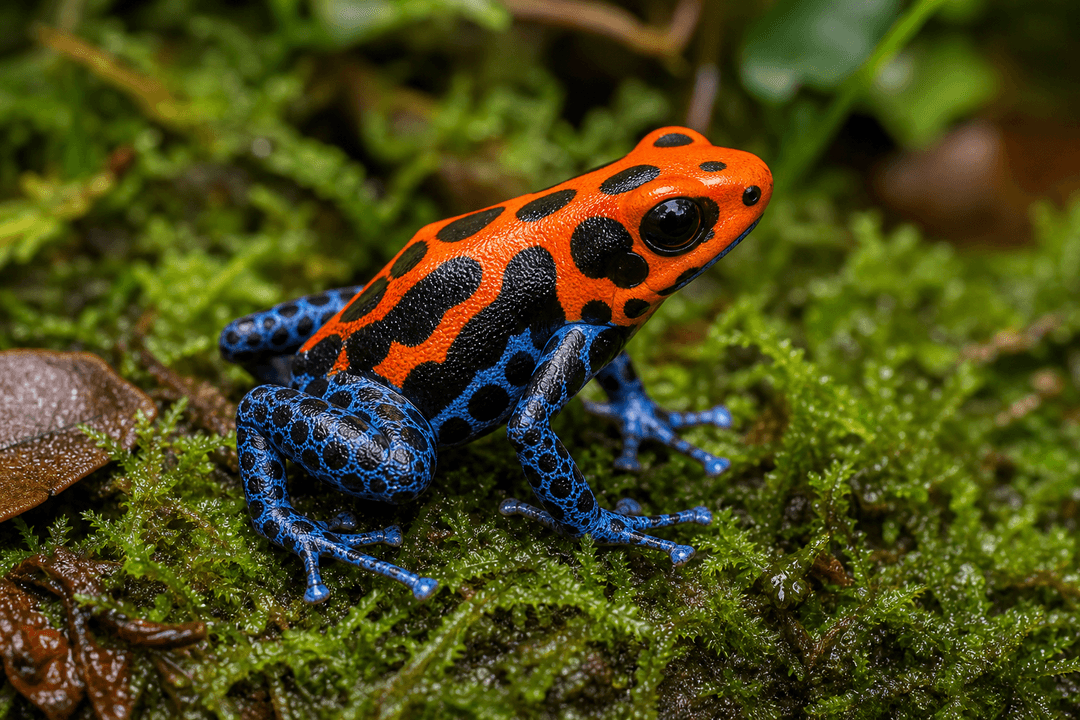
Some South American wildlife is famous because it is small but biologically impressive. Poison dart frogs are brightly colored rainforest frogs, and some wild species carry toxins in their skin. Their colors are warning signals, not invitations to touch them. They do not chase people or attack, and their danger is best understood as a reason to avoid handling wild frogs.
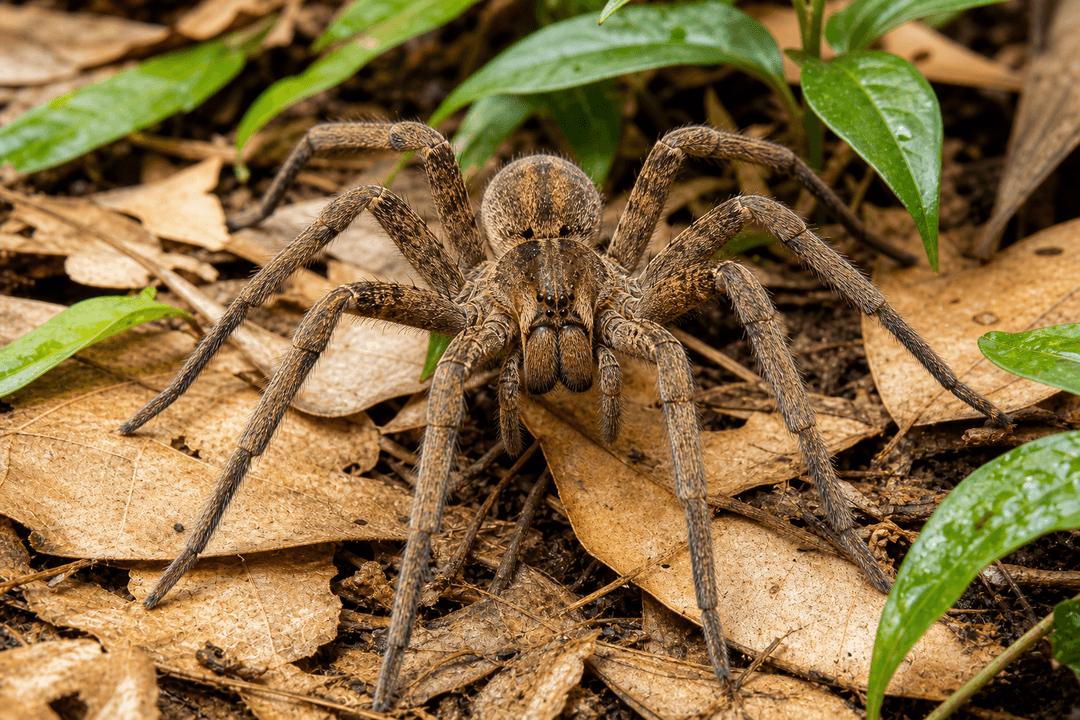
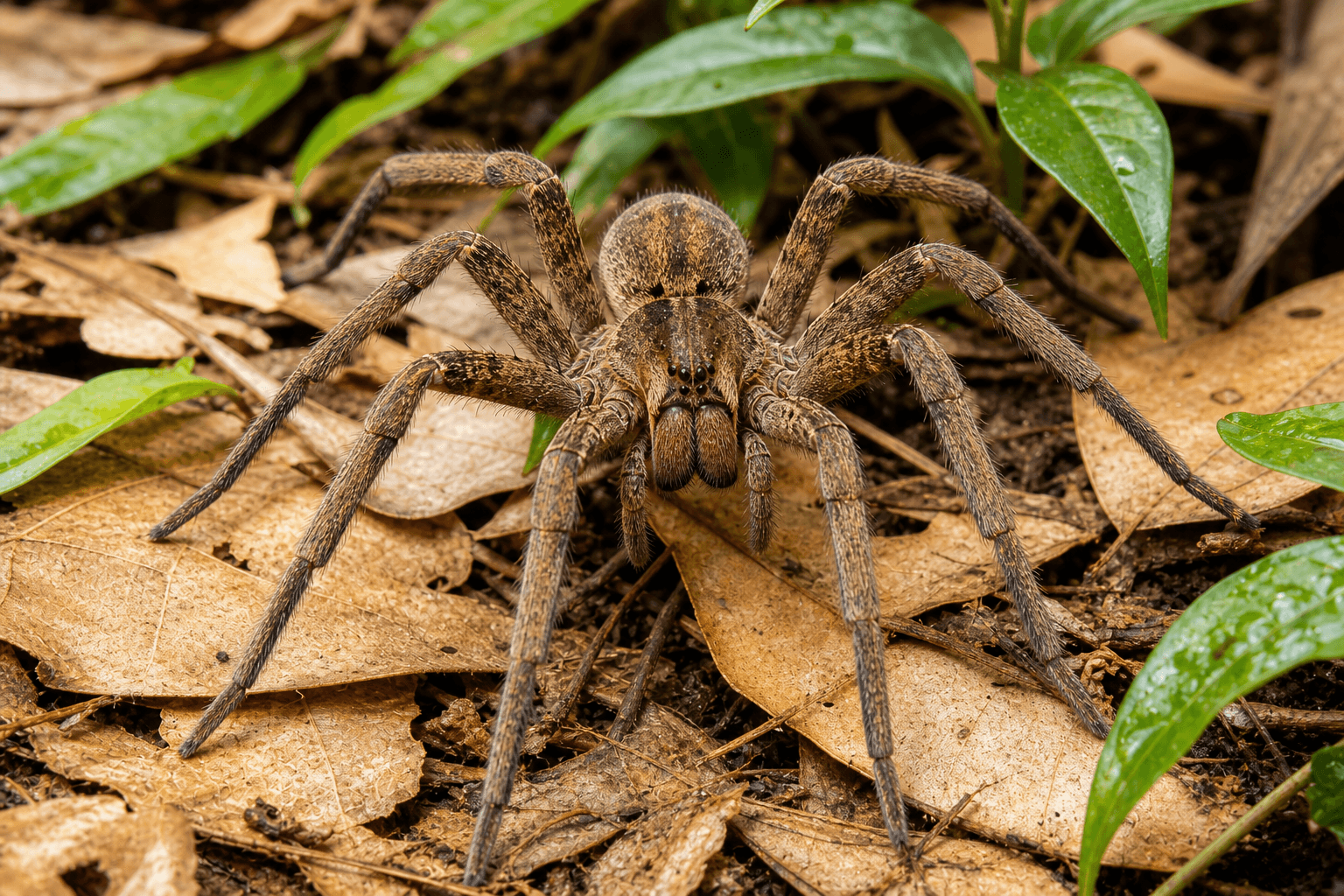
Brazilian wandering spiders are medically important spiders known from parts of tropical South America. Their reputation comes from potent venom and the possibility of accidental contact in leaf litter, plantations, storage areas, or homes. Even here, context matters. Spiders are not villains; they are predators of insects and other small animals. Risk is highest when people accidentally disturb, trap, or handle them.
Regional Examples
Regional Examples: Amazon, Pantanal, Andes, and Coasts
The Amazon basin is the most famous South American wildlife region, but it is not one uniform place. Rainforest canopy, forest floor, riverbank, flooded forest, and small settlements all create different animal stories. Jaguars, frogs, spiders, snakes, caimans, fish, and many other animals use different layers of the same environment. A river trip, forest walk, farm edge, and city neighborhood are not the same wildlife situation.
The Pantanal is one of the world's great wetlands and is strongly associated with jaguars, caimans, anacondas, birds, fish, and seasonal water changes. The Andes and nearby dry regions bring puma context and mountain wildlife. Coastal and river communities add another layer. South America is better understood through regions and habitats than through one simple list of dangerous animals.
Common Myths About South American Animals
Piranhas are often the most exaggerated South American animal in popular culture. They are real predators and scavengers with sharp teeth, but they are not constantly attacking people like movie monsters. Electric eels are also exaggerated. Their electric discharge is powerful and deserves respect, but they are freshwater fish using a specialized adaptation for normal animal behavior.
Poison dart frogs are another example. Their bright colors can signal toxicity, but they are tiny frogs that should be admired without touching. Jaguars and anacondas are powerful, but they are not waiting around for people. Myths usually grow when people remove habitat and behavior from the story. BeastAtlas keeps the focus on context.
Practical Reality and Safety Context
BeastAtlas does not provide emergency advice, medical advice, or travel safety instructions. For real trips, local guides, park rules, river signs, community knowledge, and official information matter most. A family visiting a wetland, rainforest lodge, rural farm, riverbank, or mountain trail should follow the guidance for that specific place.
The calm wildlife pattern is simple: do not handle wild animals, do not feed them, watch where hands and feet go in natural areas, keep distance from large predators and water predators, and respect signs near rivers and wetlands. These habits reduce risk without making wildlife seem evil. They also help protect animals from stressful human contact.
Presence Scores and South American Wildlife
BeastAtlas Presence Scores are simplified educational estimates. They are not exact population counts, live tracking data, or safety guarantees. A high jaguar score in a rainforest or wetland context means the animal is strongly associated with that broad habitat story, not that a jaguar is near a specific trail. A high anaconda, caiman, or piranha association points to freshwater habitat, not every riverbank.
Scores are most useful when they encourage better questions. What habitat is nearby? Is it a flooded forest, open savanna, river edge, mountain region, or farm boundary? What season is it? What local guidance applies? The score points toward a learning pattern; the article explains why the pattern matters.
FAQ: South American Dangerous Animals
Are piranhas as dangerous as movies suggest?
No. Red-bellied piranhas have sharp teeth and can feed in groups, but the monster-swarm idea is exaggerated. Most risk depends on unusual situations such as low water, trapped fish, food scraps, or handling fish carelessly.
Are electric eels true eels?
No. Electric eels are South American electric fish, not true eels. They can produce powerful electric discharges for hunting and defense, but they are still freshwater animals tied to habitat, water conditions, and behavior.
Are poison dart frogs dangerous to touch?
Some wild poison dart frogs carry skin toxins, but they do not chase people or attack. Their bright colors are warning signals. Risk is best understood as a reason not to handle wild frogs, not as a reason to fear every colorful frog.
Is South America dangerous everywhere?
No. South America includes cities, farms, mountains, deserts, grasslands, coasts, forests, and wetlands. Wildlife risk varies by location, season, habitat, and human behavior, so local guidance matters more than a broad continent label.
Reality Note: South America's Wildlife Is More Than Danger
South America's famous animals are part of living ecosystems. Jaguars help shape prey communities. Pumas show how adaptable predators can use many landscapes. Anacondas, caimans, piranhas, and electric fish belong to freshwater food webs. Poison dart frogs and spiders are part of rainforest and forest-floor ecology. Fear alone misses that bigger story.
The best BeastAtlas lesson is informed respect. South America has animals that can be dangerous in the wrong situation, but it also has extraordinary biodiversity, conservation challenges, and habitats worth protecting. Curiosity, distance, and local knowledge are better than panic.
Learning Takeaway
South America is not one danger map. It is a continent of rainforest, high mountains, wetlands, rivers, grasslands, farms, cities, and coasts. The useful BeastAtlas lesson is to connect each animal to habitat, behavior, and local context before making assumptions about risk.
Related BeastAtlas Pages
Presence Scores are simplified educational estimates. They are not exact population counts or safety guarantees.