Country Wildlife Guide
Dangerous Animals in the United States
A calm guide to bears, sharks, snakes, alligators, and other wildlife across America's very different habitats.
Back to guidesA Large Country With Many Wildlife Regions
The United States includes Arctic coast, deserts, mountain ranges, temperate forests, wetlands, prairies, subtropical swamps, islands, and long ocean coastlines. That variety explains why dangerous animal conversations can include bears, sharks, snakes, alligators, mountain lions, moose, bison, and other wildlife. The animals that matter in Alaska are not the same as those in Florida or Arizona.
A good educational guide should avoid treating the country as one uniform risk zone. Instead, it should ask where animals live and why. Bears are tied to forests, mountains, food sources, and seasonal movement. Sharks use coastal and offshore waters. Venomous snakes use deserts, grasslands, forests, wetlands, and rocky areas. Alligators are mainly a southeastern wetland story.
Animal Groups
United States Animals Featured in This Guide
Habitat Context
Wildlife Regions Shape the Real Story
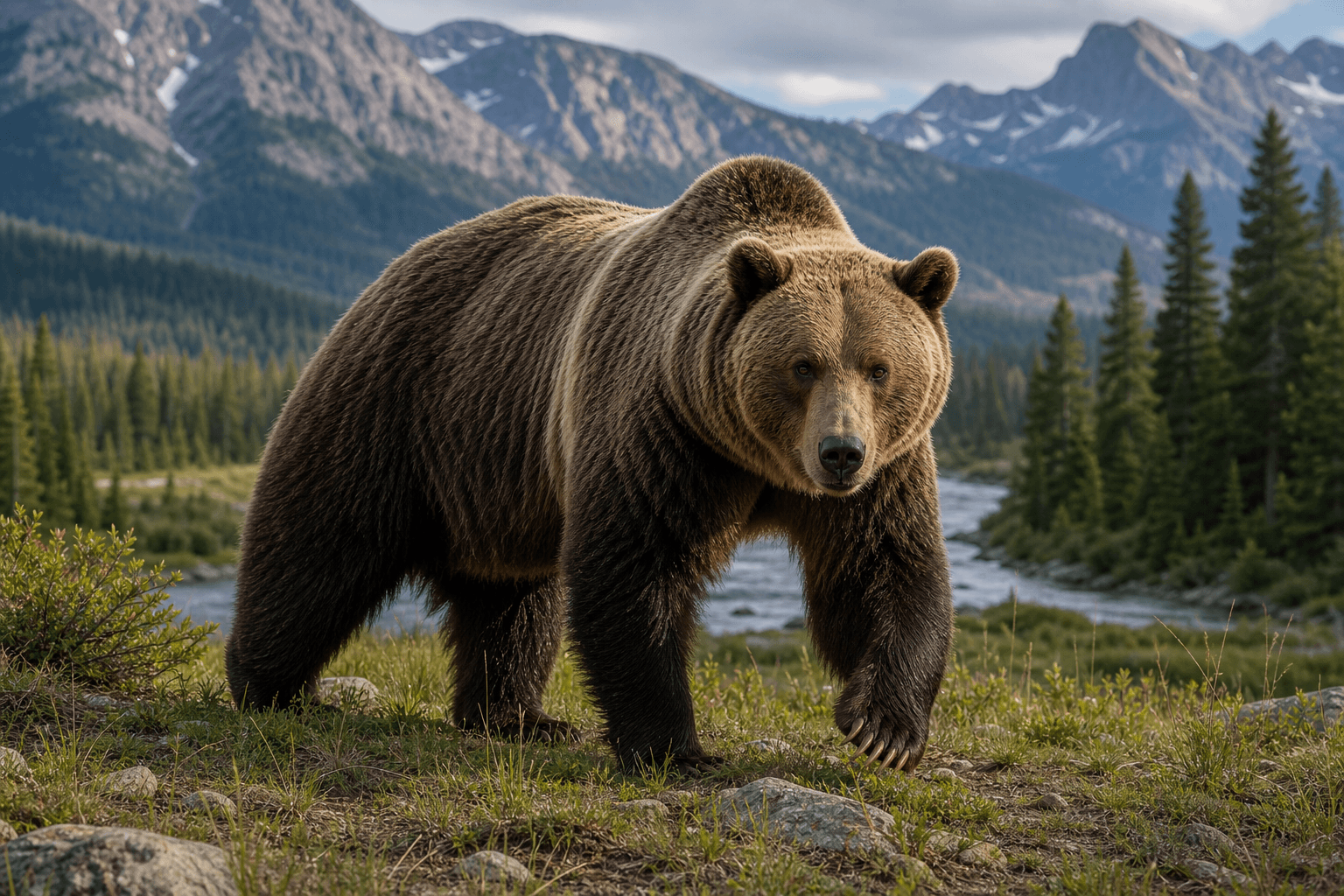
Alaska and Northern Wildlands
Alaska and northern mountain regions bring bear, moose, coastal, forest, and cold-region wildlife stories. Distance, food storage, and park rules matter here.
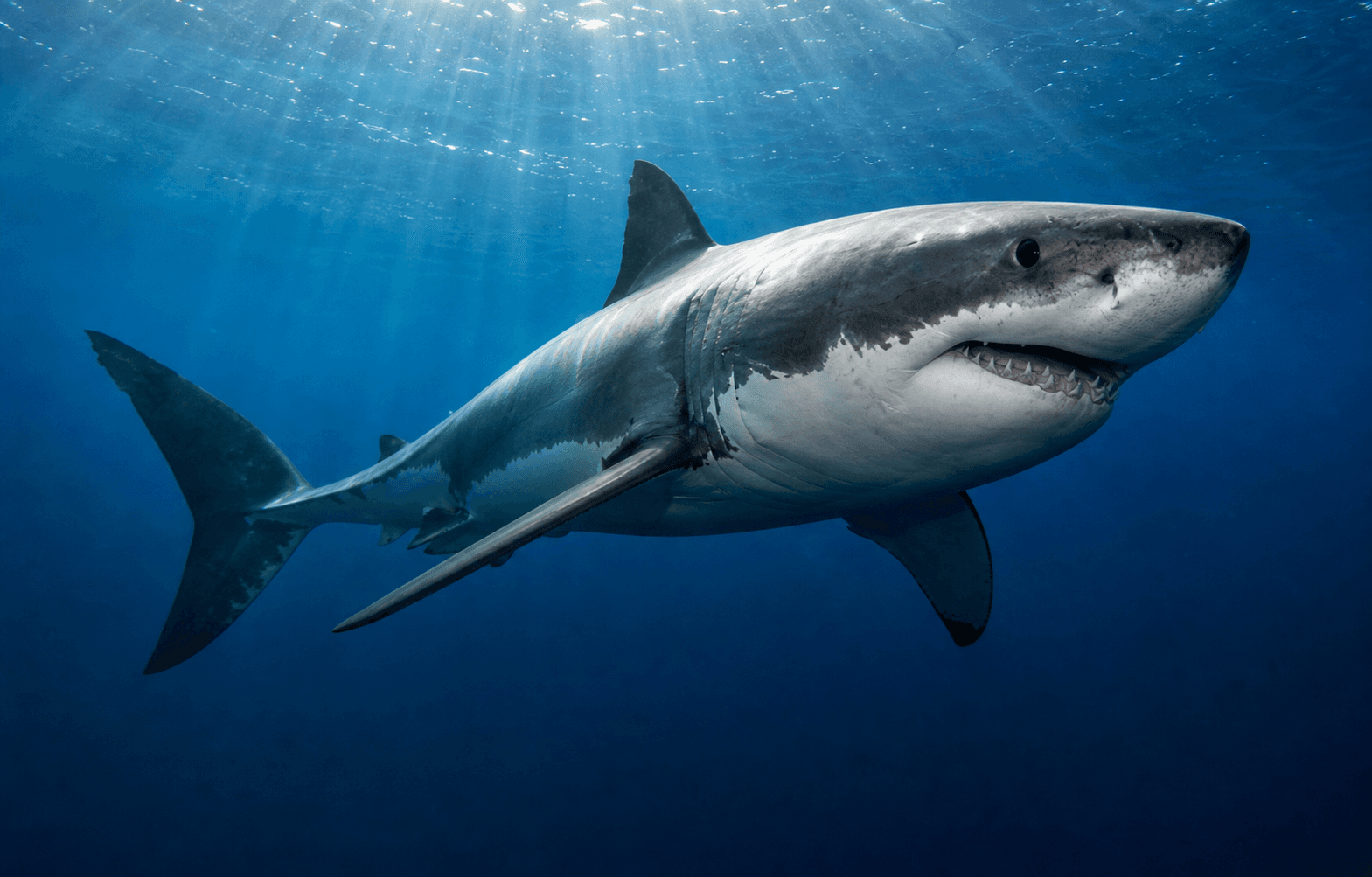
Coasts, Islands, and Productive Water
Atlantic, Pacific, Gulf, and island waters support different shark and marine wildlife patterns. Local beach conditions matter more than a national reputation.
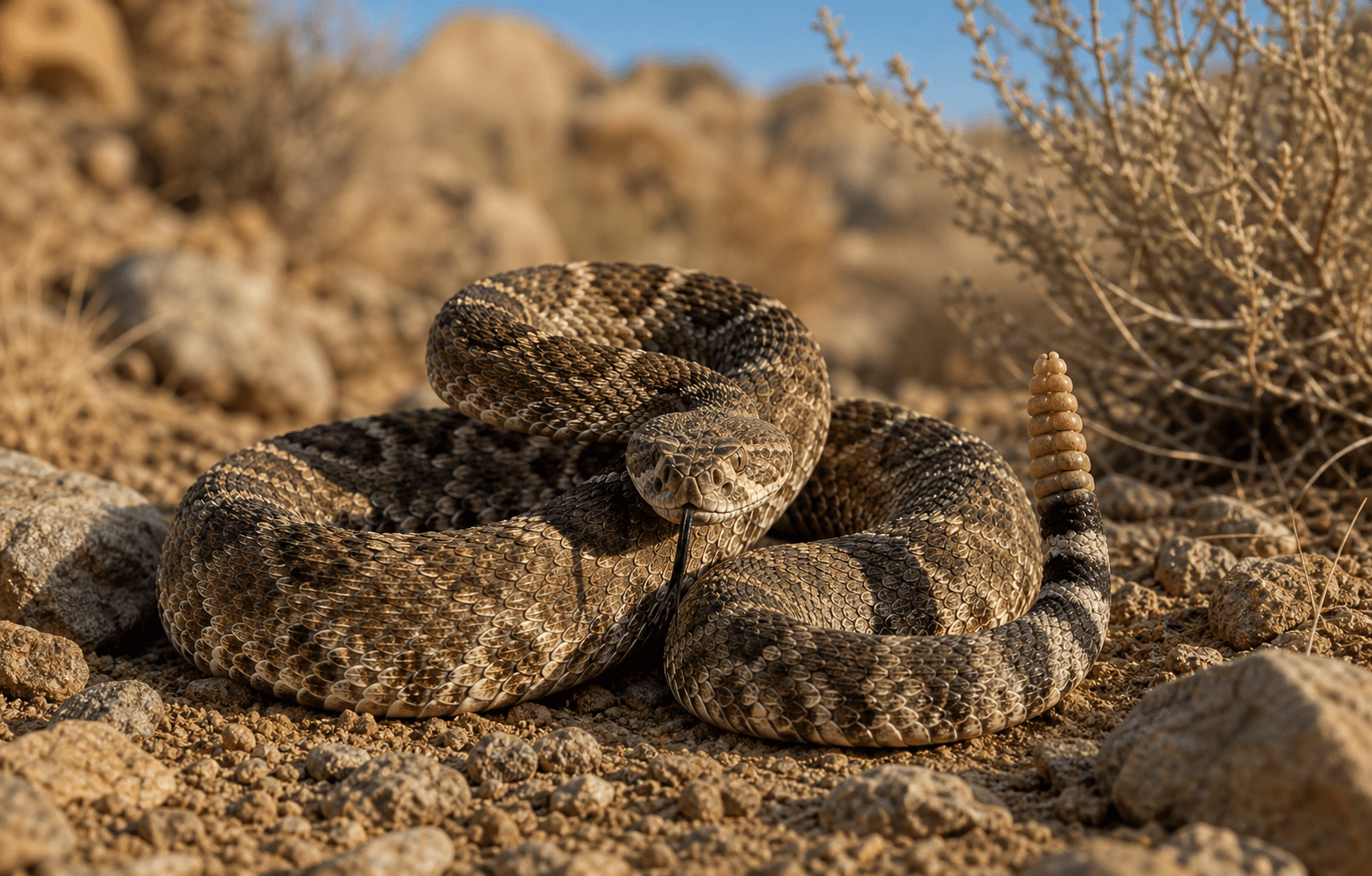
Deserts, Forests, Grasslands, and Wetlands
Venomous snake habitats vary widely, from dry rock and desert scrub to forests, wetlands, grasslands, and warm edges where shelter and prey overlap.
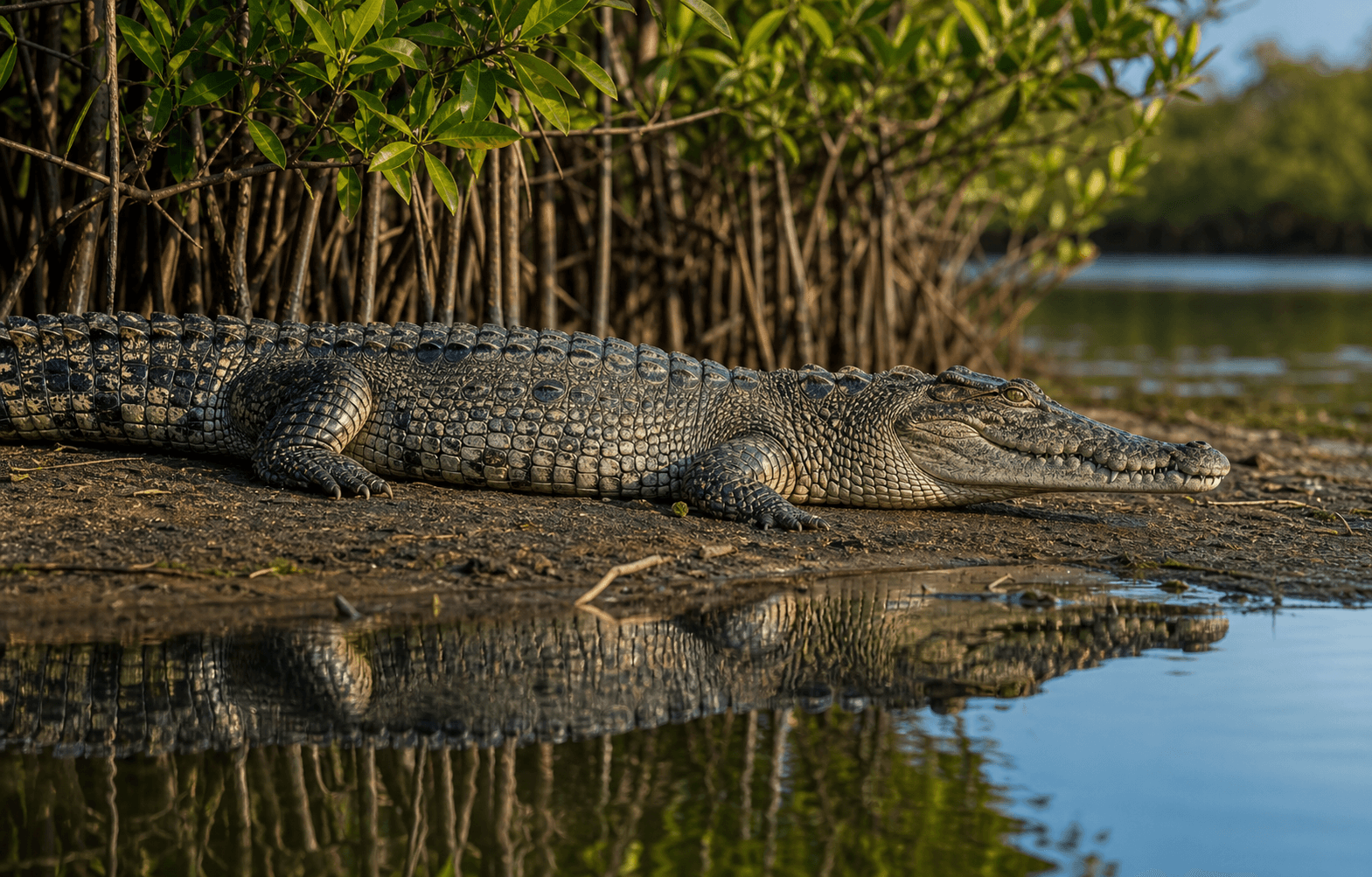
Southeastern Wetlands and Florida
Alligators and American crocodiles are warm-water stories tied to swamps, marshes, canals, rivers, ponds, mangroves, and southern Florida habitats.
Wildlife Context
Bears, Sharks, Snakes, Alligators, and Large Animals
Bears in North America
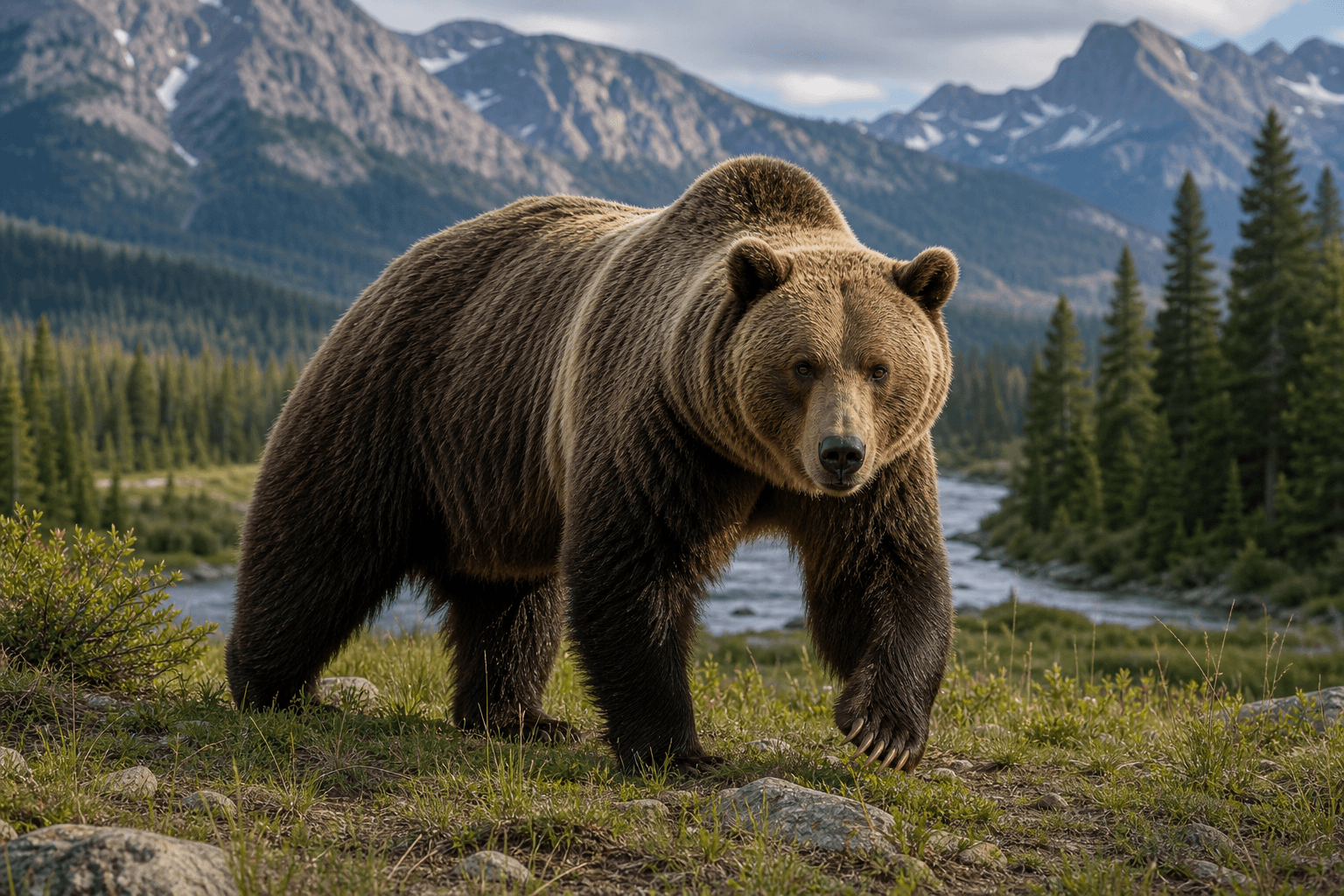
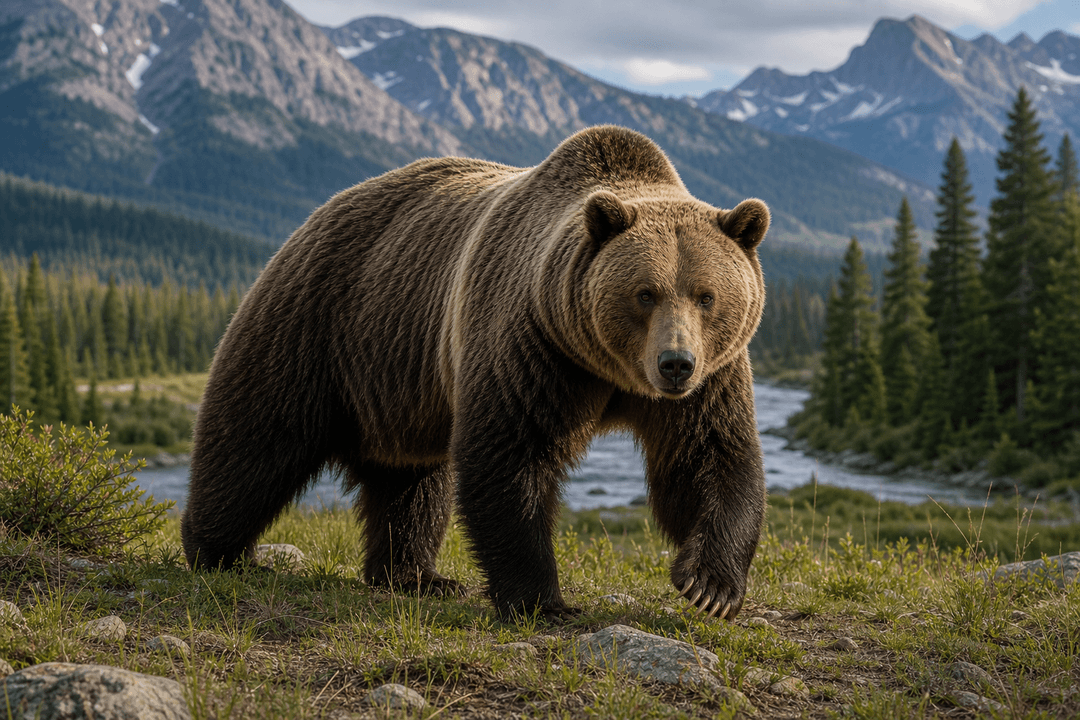
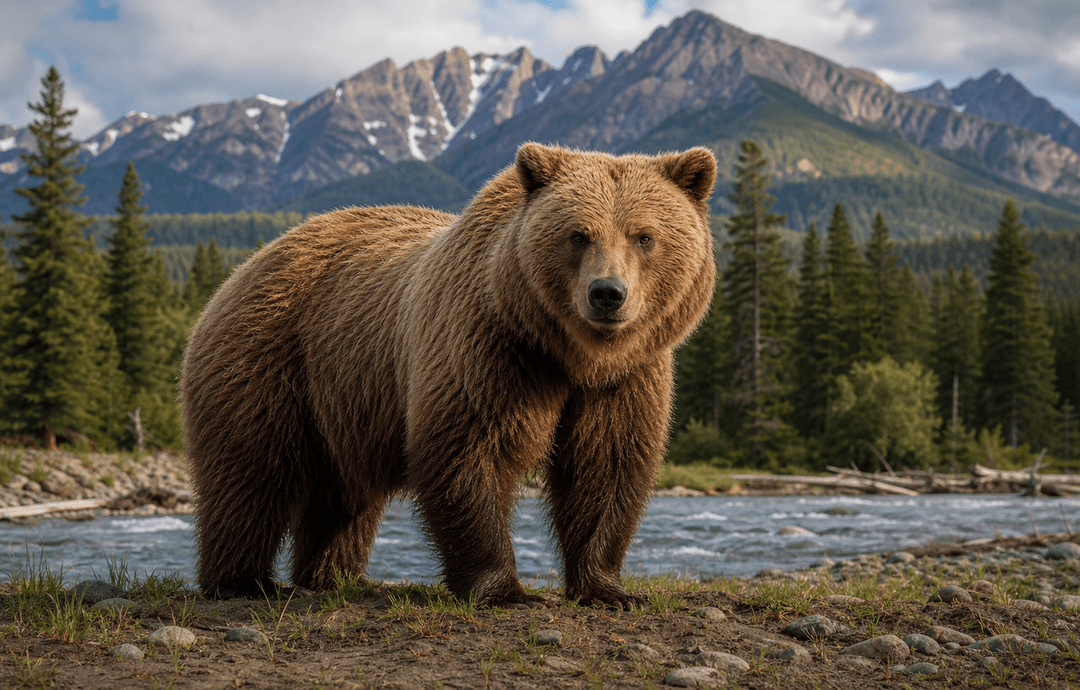
The United States has black bears, brown bears, grizzly bears, and polar bears in different regions. Black bears are the most widespread, using forests, mountains, swamps, and edges where food is available. Brown and grizzly bears are more associated with parts of Alaska and the northern Rocky Mountain region. Polar bears are tied to Arctic coastal and sea-ice systems.
Bears are powerful animals, but they are also intelligent omnivores responding to food, season, cover, and human behavior. Many bear issues involve food attraction: garbage, campsites, bird feeders, pet food, orchards, and unsecured storage. BeastAtlas readers can learn more in the bear range guide, which explains why habitat and food shape bear presence.
Sharks Along United States Coasts
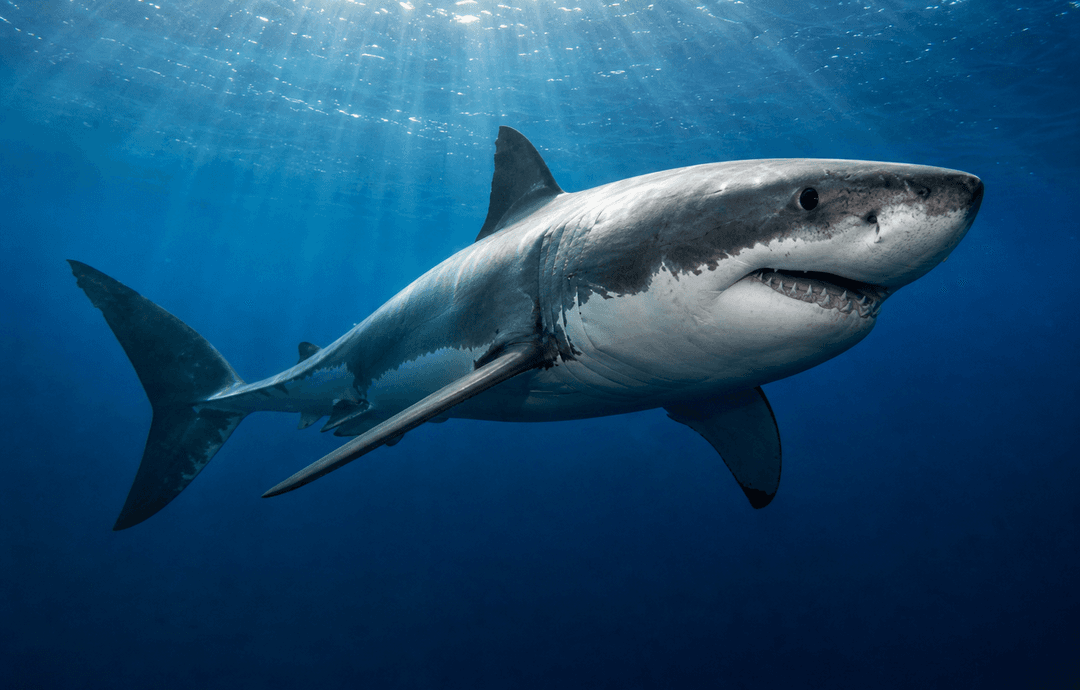
Sharks live along Atlantic, Pacific, Gulf, and island waters of the United States. Different species use different environments: coastal shallows, reefs, offshore waters, estuaries, and productive cold-water coastlines. Great whites are often associated with certain cooler coastal areas, tiger sharks with warmer waters, and bull sharks with coastal and river-influenced habitats.
Shark risk is often exaggerated by movies and headlines. Most sharks are not dangerous to people, and even large sharks are part of a much broader ocean story. Local beach warnings, lifeguards, water conditions, fishing activity, and seasonal prey movement matter more than a general national reputation.
Snakes Across Deserts, Forests, and Wetlands
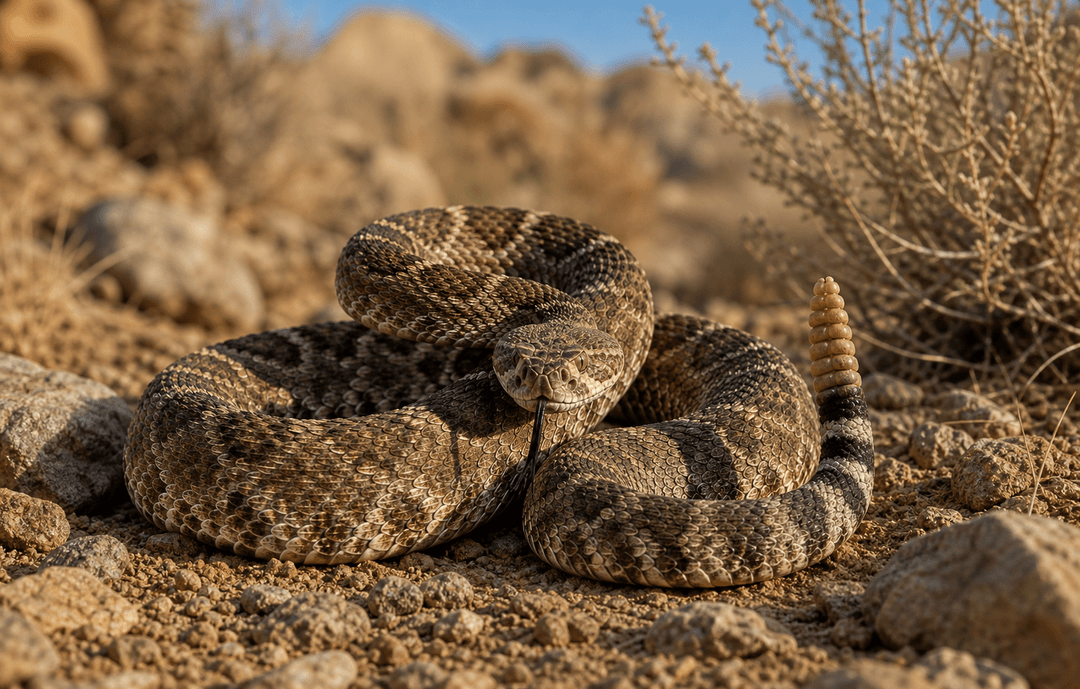
Venomous snakes in the United States include rattlesnakes, copperheads, cottonmouths, and coral snakes, along with many nonvenomous species that are frequently mistaken for dangerous ones. Snake habitat varies widely. Rattlesnakes may use deserts, grasslands, rocky hills, forests, and scrub. Cottonmouths are associated with wetlands and waterways. Copperheads often use forests, rocky areas, and edges.
The reality note is that snakes usually avoid people when they can. Conflict risk increases when snakes are handled, stepped near, cornered, or surprised. A broad BeastAtlas map can help with learning, but it cannot identify what is in a specific yard, trail, campsite, or woodpile. Local field guides and wildlife agencies are better for identification and practical advice.
Alligators and Crocodile Relatives
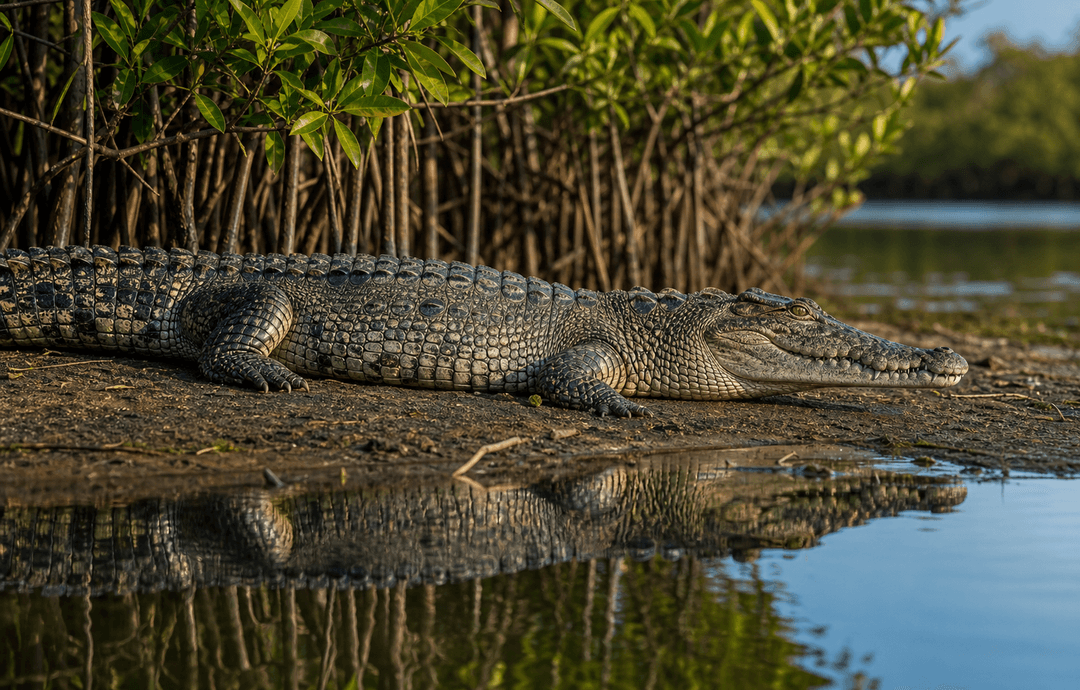
In the United States, the American alligator is strongly associated with the Southeast, especially freshwater wetlands, swamps, marshes, lakes, ponds, rivers, and canals. Florida and Louisiana are especially famous, but alligator habitat extends more broadly across suitable warm wetland regions. The American crocodile also occurs in limited southern Florida habitats.
Alligators are often visible in places where people live, boat, fish, and visit parks. That visibility does not make them pets or decorations. They are wild predators that should never be fed or approached. BeastAtlas places them near the crocodile group because the educational habitat lesson is similar: warm water, prey, banks, nesting areas, and local rules matter.
Mountain Lions, Bison, Moose, and Other Animals
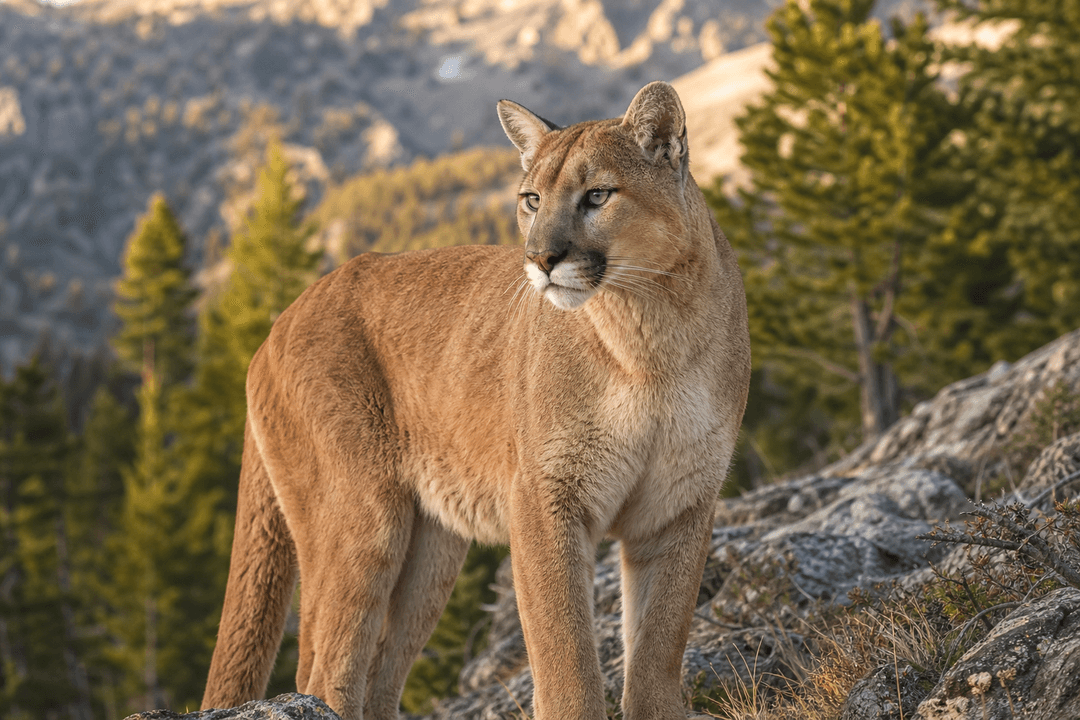
Not every dangerous animal in the United States fits the classic fear list. Mountain lions live in western forests, mountains, deserts, and canyons, with some populations or sightings in other regions. Bison and moose are large herbivores, not predators, but their size and strength mean they deserve serious distance in parks and wild areas.
This is an important educational point: dangerous does not always mean carnivorous. An animal can be risky because it is large, defensive, fast, territorial, or stressed by people getting too close. Family wildlife learning should include respectful distance for all large animals, not only predators.
Regional Examples
Regional Examples: Alaska, Florida, the West, and the Coasts
Alaska is strongly associated with bears, moose, and Arctic or subarctic wildlife. Florida is strongly associated with alligators, warm wetlands, coastal sharks, and some venomous snakes. The desert Southwest has rattlesnakes and other heat-adapted animals. The Rocky Mountains and Pacific Northwest bring bear and mountain lion context. The Atlantic, Gulf, Pacific, and island coasts each have different shark and marine wildlife stories.
These examples show why national lists can mislead. A child reading about dangerous animals in the United States should learn that region and habitat are the real organizers. The question is not only which animals live in the country, but which landscapes support them and what local rules help people share space responsibly.
Presence Scores and United States Wildlife
BeastAtlas Presence Scores are simplified educational estimates. They are not exact population counts, live location tools, or safety guarantees. A high bear score in a region means broad association with bear habitat, not certainty that a bear is near a specific trail. A shark score means a coast or marine region is known for shark habitat, not that a beach is unsafe.
Scores are useful when they encourage better questions: What habitat is this? What season is it? What local guidance applies? What animal behavior matters? They are not useful if readers treat them as exact measurements or emergency advice.
Safety Guidance for Families and Travelers
BeastAtlas is not emergency advice, but a calm learning pattern is useful: read local signs, follow park and beach guidance, give wildlife space, secure food in bear country, avoid handling snakes, and never feed wild animals.
Good travel questions are practical and local. What habitat are you entering? Are there seasonal warnings? Are food, water, pets, fishing activity, or crowds changing animal behavior? Local staff and official guidance matter most.
Reality Note: Local Guidance Beats National Fear
The United States has powerful wildlife, but most visits to parks, beaches, forests, deserts, and wetlands do not involve dramatic encounters. The best approach is calm preparation: follow park rules, store food properly in bear country, respect beach warnings, avoid handling snakes, and never feed wild animals.
Wildlife is one reason American landscapes are special. Bears, sharks, snakes, alligators, and big herbivores are not just hazards; they are parts of living ecosystems. Understanding their habitats helps families replace vague fear with practical respect.
Learning Takeaway
The United States is not one danger map. It is a country of regions: bear country, shark coasts, snake deserts, southeastern wetlands, western mountains, and national parks where large animals deserve room. Respect grows when readers connect animals to habitat instead of fear.
Related BeastAtlas Pages
Presence Scores are simplified educational estimates. They are not exact population counts or safety guarantees.